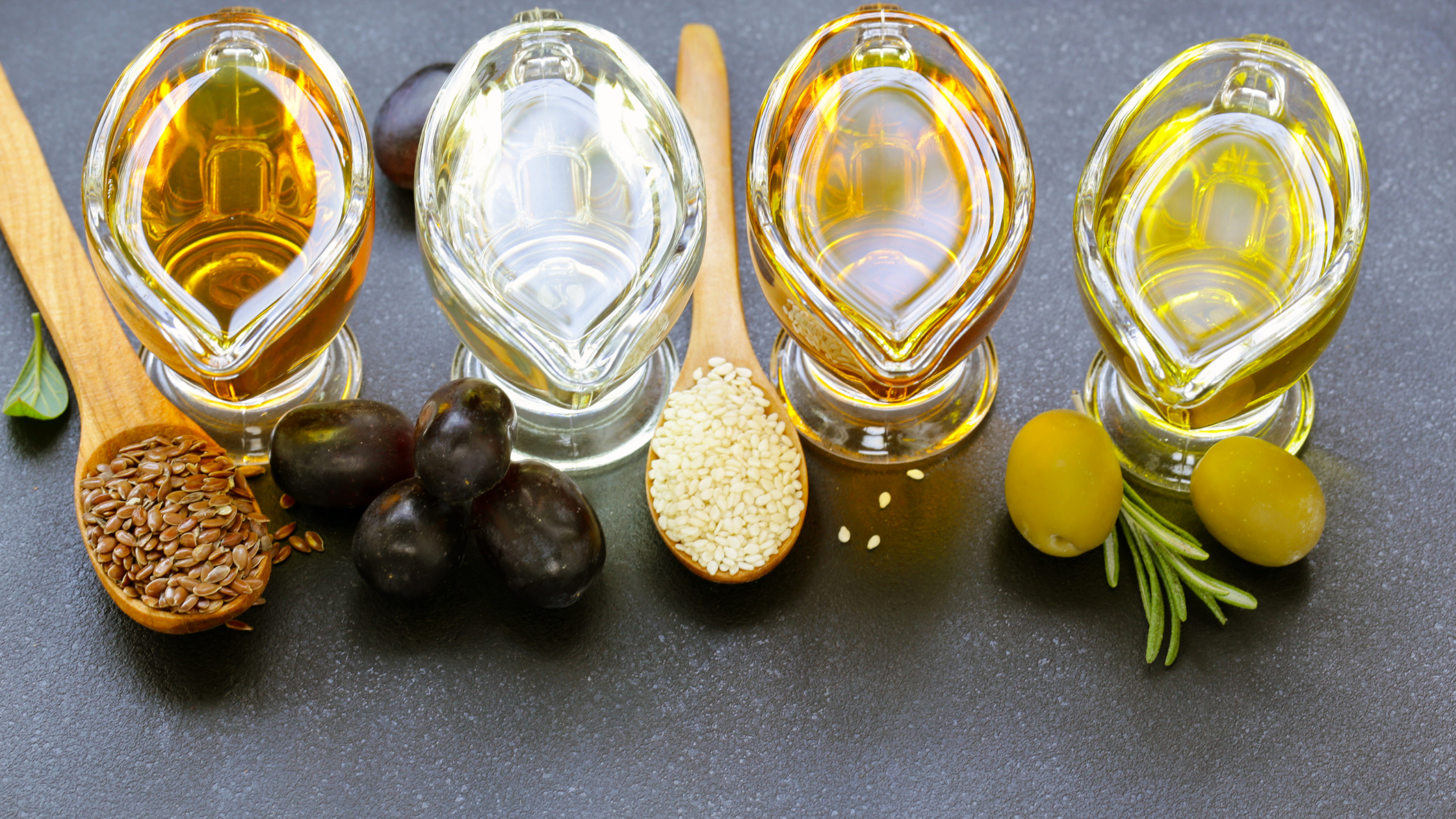
The right cooking oil depends on what type of cooking you are doing – but healthwise, some options are better than others, especially when it comes to what is better for your heart and arteries. There are plenty of options, including sautéing, baking and drizzling oil for salads and cold dishes.
It can be an essential ingredient for any meal.
According to NEWS18, low-quality cooking oil can egg on heart infections or cholesterol blockages. Because of this, and to ensure a healthy lifestyle, there is a list of things to consider when buying cooking oil.
Smoke point
Each type of cooking oil has a smoking point – the oil’s temperature when it begins to burn and degrade. The smoking point can be an essential factor when you select oil. It may vary based on how it is processed. If the oil’s smoking point is high, it is better for when you fry food.
Fat content
Cooking oils are made of saturated (SAFA), polyunsaturated (PUFA), and monounsaturated (MUFA) fatty acids. By knowing this, you can create a balance when cooking.
SAFA fatty acids are highly stable, resist oxidation and support digestion. However, they are unhealthier than PUFA and MUFA fatty acids. These two prevent assist with high cholesterol and heart attack prevention. This is why balancing the acids are important.
What is dietary cholesterol?
The liver produces about 80% of your body’s cholesterol.
The foods you eat produce the rest. The foods that raise your blood cholesterol are high in saturated fat. These include whole-fat dairy products, fatty meat and snack foods. Ready-prepared foods are also high in salt and cholesterol. Other high levels of dietary cholesterol foods include:
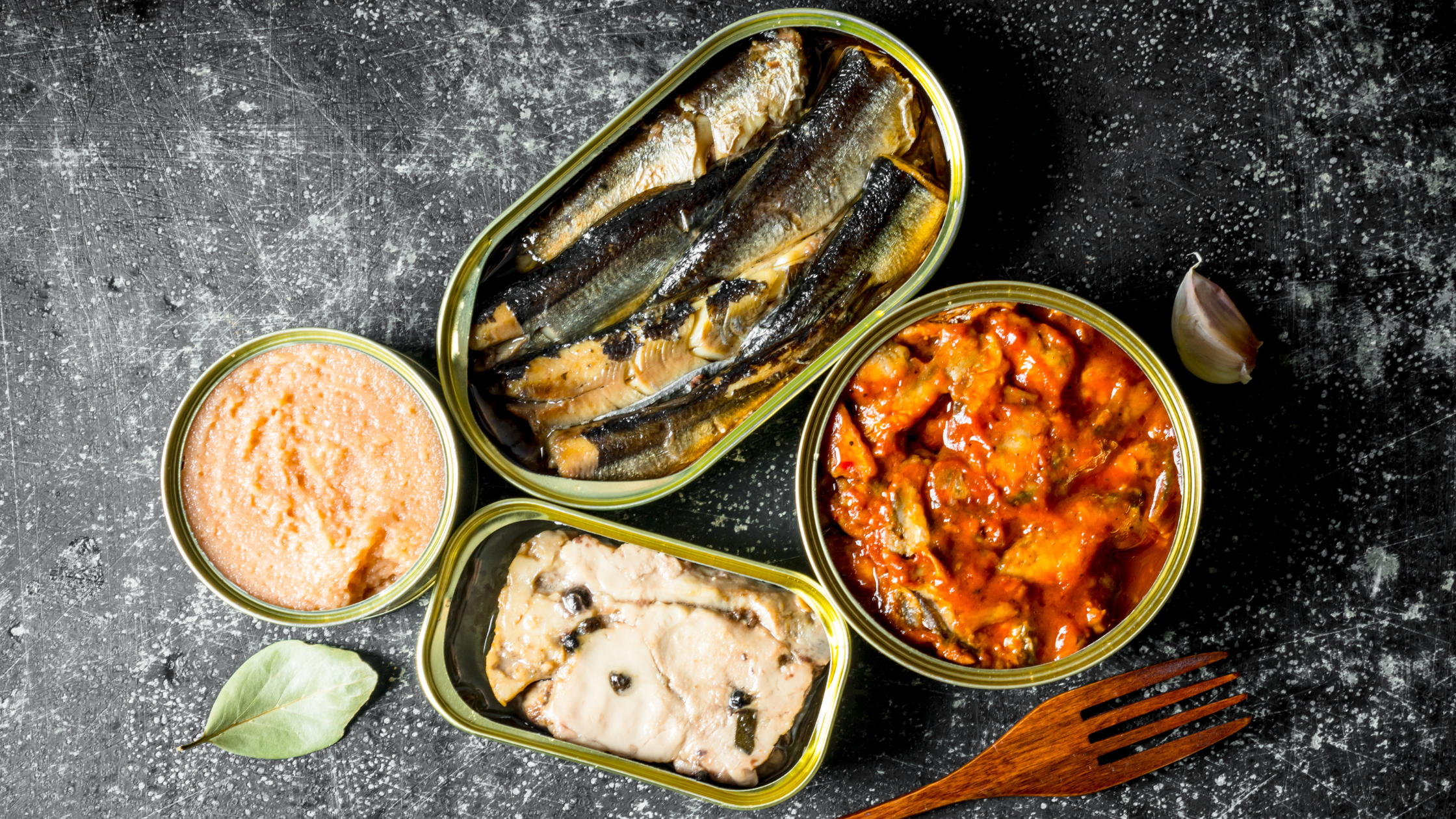
- shrimp
- egg yolks
- organ meats and fatty meats.
- squid
Dietary cholesterol will only have an effect on some people, says Heart and Stroke. From a nutrition perspective, a healthy diet lower in saturated and trans fat is the best way to control blood cholesterol.
Ideal Omega ratio
The Indian Council of Medical Research and the National Institute of Nutrition suggest that the model ratio for good health is Omega 6 and Omega 3. Vegetarians can benefit from Omega 3 in cooking oil.
Vitamins A, D and E
Vitamins are essential for your diet. Cooking is packed with vitamins A, D and E. Vitamin A aids stress and lifestyle changes. Vitamin D feeds your immunity, while Vitamin E condenses body damage.
Flavour
Light in flavour oils includes vegetable, corn or canola oil. Flavoured oil, such as olive or peanut oil, is not suitable for every meal.
Which oil is right for you?
The smoke point plays a significant role in choosing the right cooking oil. If heated oil surpasses its smoke point, it doesn’t only burn and start smoking, but it harms the flavour of your food and releases free radicals – also known as harmful compounds.
It is essential to do your research on the different cooking oils rather than grabbing anything from the shelf. Here are some options to consider:
Olive oil
According to nutrition and cooking experts from TIME, olive oil is the most versatile option and the healthiest. It has extra virgin olive oil, though, which means it is of high quality.
Olive oil is not refined or overly processed. Extra virgin olive oil is filled with MUFA and PUFA fatty acids. Generally, olive oil has a lower smoke point than other oils, used for low and medium-heat cooking. The healthy oil is perfect for baking too.
Coconut oil
Some people deem coconut oil unhealthy. Coconut oil can form part of a healthy diet if used in moderation. Most people don’t eat it because it is primarily saturated fat. Coconut oil is unlike other plant-based oils, and not everyone is convinced that it is one of the healthier oil options.
Experts from the American Heart Association argue that as highly saturated fat, coconut oil can reduce blood cholesterol levels and perk up lipid profiles.
Vegetable oil
Vegetable oils are plant-based. The healthiness of this oil depends on its source and usage. The vegetable oils are usually a mix of canola, corn, soybean, safflower, palm and sunflower oils.
Besides the lack of flavour, vegetable oils also lack nutrients because they are refined and processed. By using the word ‘vegetable’, manufacturers can use any commodity oil.
Canola oil
Rapeseed, a flowering plant and a fair amount of MUFA and PUFA fats make up canola oil. Compared to other vegetable oils, canola oil has the least amount of SAFA fats.
Canola oil has a high smoke point and is helpful when cooking on high heat. Unprocessed canola oil is available but very hard to find.
Wholegrain Oats
The best-known benefit of whole-grain oats is that it improves bowel movement and cleanse the intestinal tract. Although snacking on whole grain oats keeps you fuller for longer, it has many health benefits, such as reducing asthma development, reducing bad cholesterol, improving the immune system and improving health in diabetics.
These are just a few examples of snacks you may use to re-boost your energy levels. Make it convenient enough for yourself, so it becomes part of your routine, and customize it to suit your preferences. Try to be mindful of what a combination of foods does to your body.
Your kitchen, your decision
There are many cooking oils for you to research, including sesame oil, peanut oil, avocado oil and more. Some oils are better for cold meals and dietary supplements, whereas others thrive in high heat.
The Medical Society is able to service thousands of people in need of primary medical care every day.
Now, people who have been previously disadvantaged and are at a disadvantage for healthcare have the opportunity to get first level care from highly trained professionals.
Our policies are priced to allow us to reach the millions of South Africans.