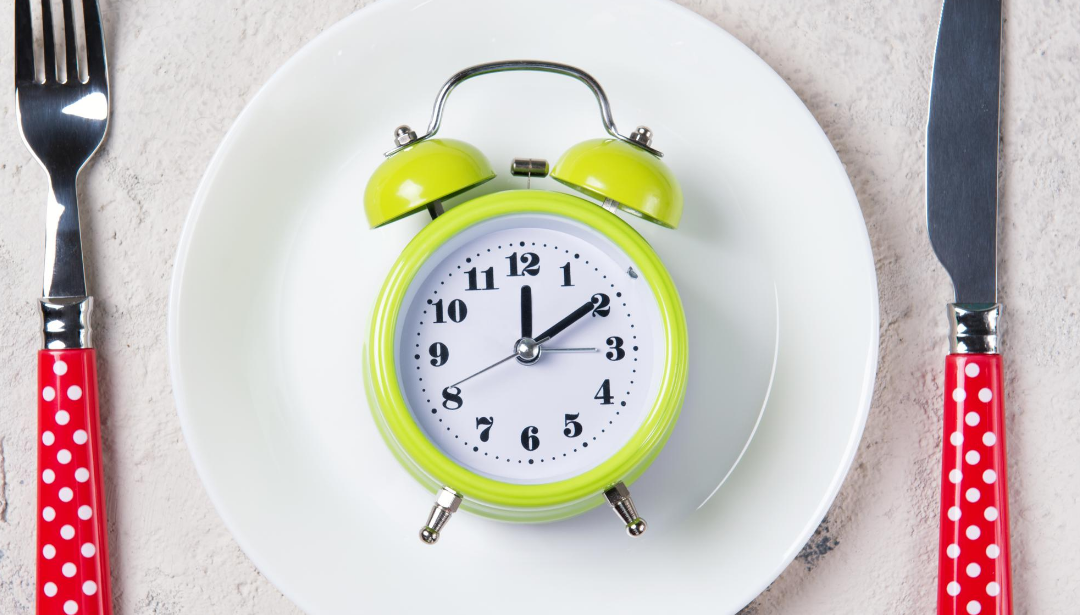
Everyone knows that overeating can make you feel bloated and sluggish and that it isn’t very good for your health. You will probably gain weight if you eat more than you work out. But these days, diets are more food group restrictive than calorie-restrictive, as it has been discovered that eating too little can slow down your metabolism – and could hamper you from losing weight.
Eating too little food can cause your body to retain weight.
What is your metabolism?
Your metabolism is the system that turns your food into energy. You can have a fast metabolism or slow metabolism. A fast metabolism or metabolic rate means that your body burns through the energy quickly, using all the calories or energy units in the food you eat and stopping weight gain. A slow metabolism or metabolic rate will burn through calories slower, usually resulting in sluggishness and midline weight gain. Your metabolic rate loosely refers to the speed of your digestive system.
Your body is always burning calories. It burns them to perform even basic functions. Breathing, cell production and other automatic functions all consume energy. This is known as the Basal Metabolic Rate. Basal means ‘life-sustaining’. These functions serve to keep the body working.
Resting metabolic rate (also known as RMR) is the rate at which your body burns energy when it is at full rest.
How many calories do you need daily?
Men and women need different calorie amounts, but it isn’t just gender dependent. The medically suggested number of calories should only be used as a guideline, but there are other factors to consider such as: current weight, metabolic rate, fitness level and regimen. Also, your BMI plays a part in deciding just how much you need to eat to both lose and gain weight. There is a recommended BMI (body-mass index) of 21.5 for women and 22.5 for men.
These factors aside, the general rule is that the average woman requires 2,000 calories a day to maintain her weight, and 1,500 calories a day to lose one pound of weight a week. Adult men are required to eat 2,500 calories to maintain their body weight. If they want to lose a pound a week, they should eat around 2000.
What happens when you eat too little?
So, it has now been established that eating fewer calories than the energy you exert each day will result in weight loss. This is the desired effect for dieters, but eating too many calories each day could have a terrible effect on the metabolism and overall health.
Firstly, the body is a brilliant machine. Its primary concern is survival. If you aren’t eating enough calories each day, it will notice. Your body will start to store calories and lower the rate at which it burns them, in order to preserve your energy. It will see the lack of food as a crisis.
Thus, your metabolic rate will be slowed down. You will also be hungry less often, which will exacerbate the issue.
Starvation Syndrome
As the name suggests, starvation syndrome is seen in people who have eating disorders or have been on extremely calorie-restrictive diets for long periods.
This syndrome leads to the body not properly absorbing nutrients from food. The basal metabolic rate also slows down.
Other changes include heart muscle mass reduction by 25% and a decrease in heart rate and blood pressure.
It also affects the brain and can cause severe emotional damage. CCI Health says that it has a dramatic impact on physiological, psychological, cognitive and social functioning; especially in men.
How do I know that my metabolism has slowed down?
If you are eating wholesome food, exercising and you are still noticing weight gain, you may have a slow metabolism.
You may also notice that you’re tired a lot. Your body is burning energy slowly, so you don’t have enough to get through your busy day.
Other signs are dry skin and brittle nails. If you aren’t absorbing nutrients from your food, you will notice it in your appearance.
The same processes that impact your skin and nails also affect your hair says Eat This. A slow metabolism can impact your hair’s ability to grow and regenerate. Dr Alam points to a lack of sufficient micronutrients from a slow metabolic rate that can cause your hair to fall out.
There are any other symptoms that could be a sign you need to change your diet and the amount that you are eating! And drink loads of water.
If you are trying to lose weight, or want to start a diet that restricts your calories, be sure to do so while facilitated by a medical professional.
The Medical Society’s primary healthcare facilities offer chronic disease and health promotion services through daily health educational programmes.
Get a Primary Healthcare plan that covers a range of benefits provided at any one of our strategically located medical centres, nationwide.