Ask most people what osteoporosis is, and they will likely picture an older woman, perhaps a grandmother who broke her hip after a small fall. That picture is not wrong, but it is only half the story. Osteoporosis quietly affects a great number of men as well, and because a few people expect it, far too many men are only diagnosed after they have already broken a bone.
According to the National Osteoporosis Foundation of South Africa, one in five men in South Africa is at risk of a fracture caused by osteoporosis, compared to one in three women. The numbers may be lower for men, but the outcomes are often worse. Men who break a hip are more likely to die within the following year than women who suffer the same fracture, largely because the disease tends to be caught later in men, if it is caught at all.
Why the myth has stuck around
Osteoporosis became known as a women’s disease for understandable reasons. Bone loss speeds up sharply after menopause, when falling estrogen levels leave bones more fragile, and most awareness campaigns, screening programmes and research have followed that pattern for decades. Men experience something similar as testosterone gradually declines with age, but because doctors and patients alike rarely think to raise the topic, the conversation often never happens. A man can lose bone density for years without anyone suggesting a test, simply because nobody thought to look.
What raises the risk in men
A handful of factors show up again and again in men diagnosed with osteoporosis. A previous fracture from a minor fall or knock is one of the strongest warning signs. Long term use of steroid medication, regular heavy drinking, smoking, low testosterone and a family history of osteoporosis all raise the risk as well. Men who are naturally slight in build or who have had limited physical activity over the years also tend to carry less bone density into older age.
A disease that rarely announces itself
One of the hardest parts of osteoporosis, for men and women alike, is that it has no early symptoms. Bones do not ache as they weaken. There is no warning stage that feels different from normal ageing. Often the first real sign is a fracture from something that should not have caused one at all, a stumble, a light fall, even a hard sneeze in severe cases. A gradual loss of height or a slightly more rounded posture over the years can also be a quiet clue that vertebrae have weakened, though it is easy to put this down to simply getting older.
Getting checked before a fracture forces the issue
The good news is that osteoporosis is straightforward to test for. A DEXA scan measures bone density at the hip and spine and takes only a few minutes. Local guidelines recommend that men from age 70 be screened as a matter of course, and sooner if there is a family history, a previous fracture or another risk factor already in the picture. If any of this sounds familiar, it is worth raising with your doctor rather than waiting for a fall to bring up the subject for you.
Looking after your bones as you age
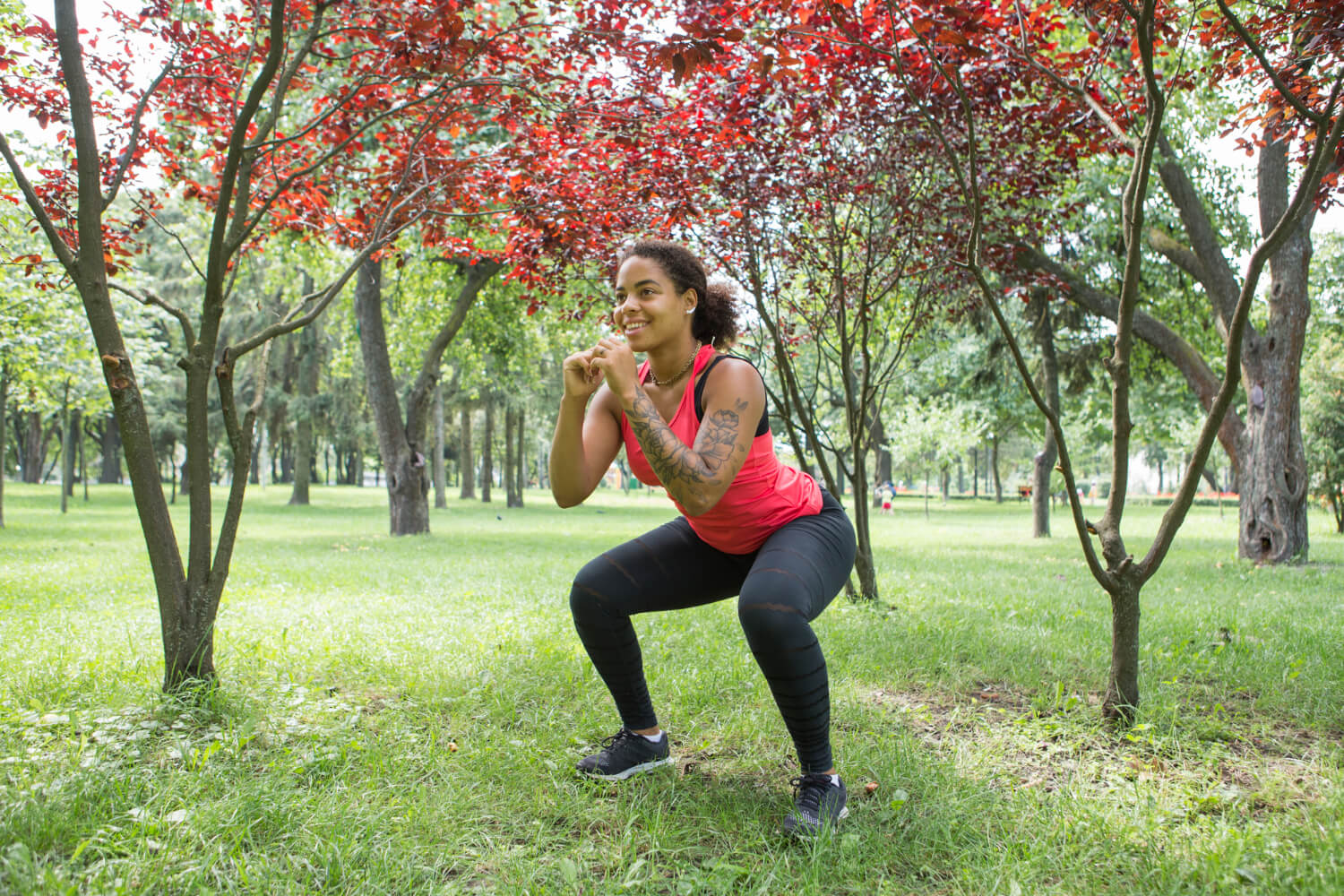
Much of the everyday advice for strong bones applies just as much to men as it does to women. Getting enough calcium and vitamin D, staying active with regular weight bearing exercise such as walking, jogging or resistance training, cutting back on heavy drinking and avoiding smoking all help slow bone loss over time. None of these changes are complicated, but together they make a real difference to how well your bones hold up in the years ahead.
Osteoporosis does not check whether you are a man or a woman before it takes hold. It simply follows age, hormones and the choices made along the way. Talking to your doctor about your bone health, particularly once you are past fifty, is a small step that could spare you from a fracture that changes far more than a few weeks of your life.