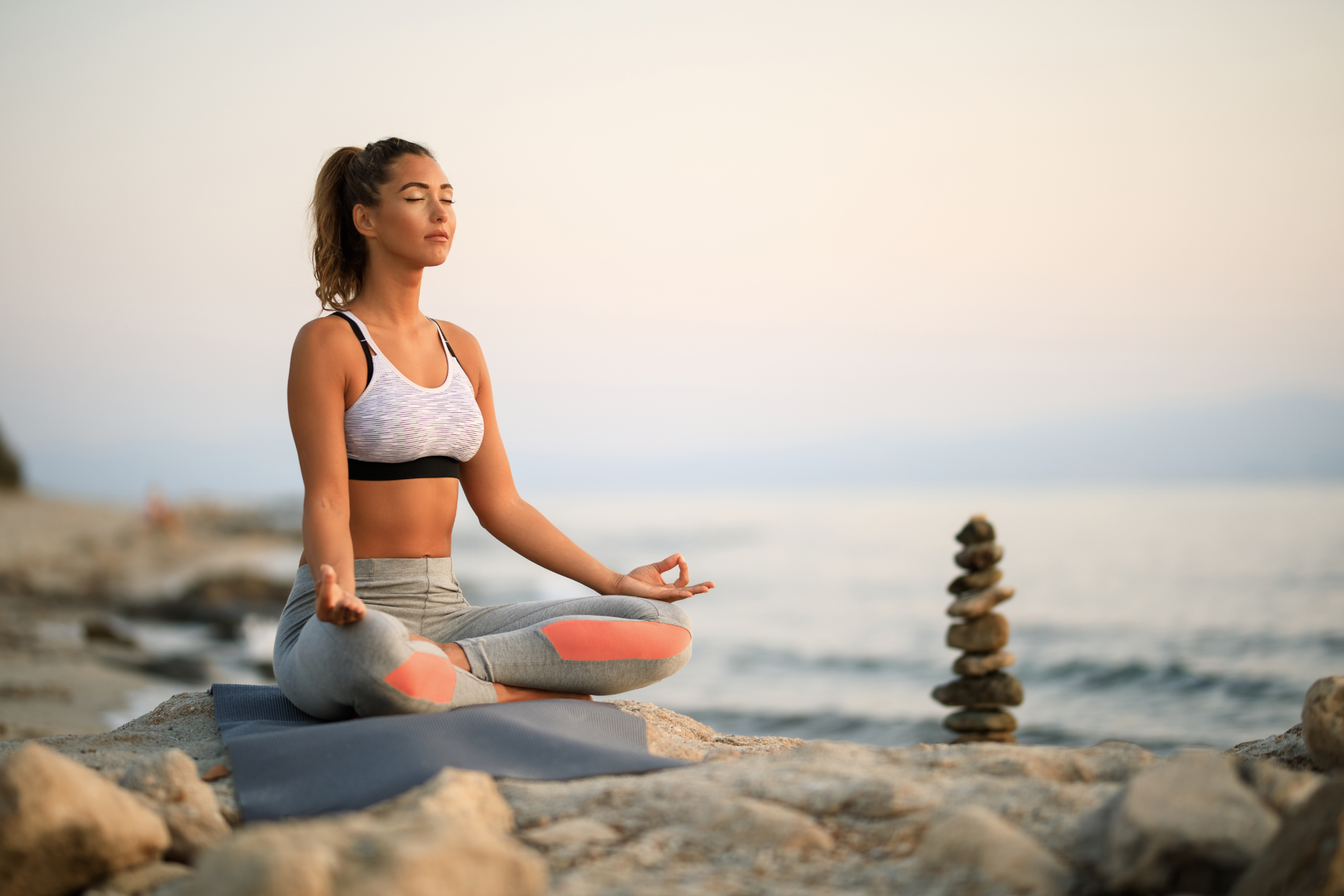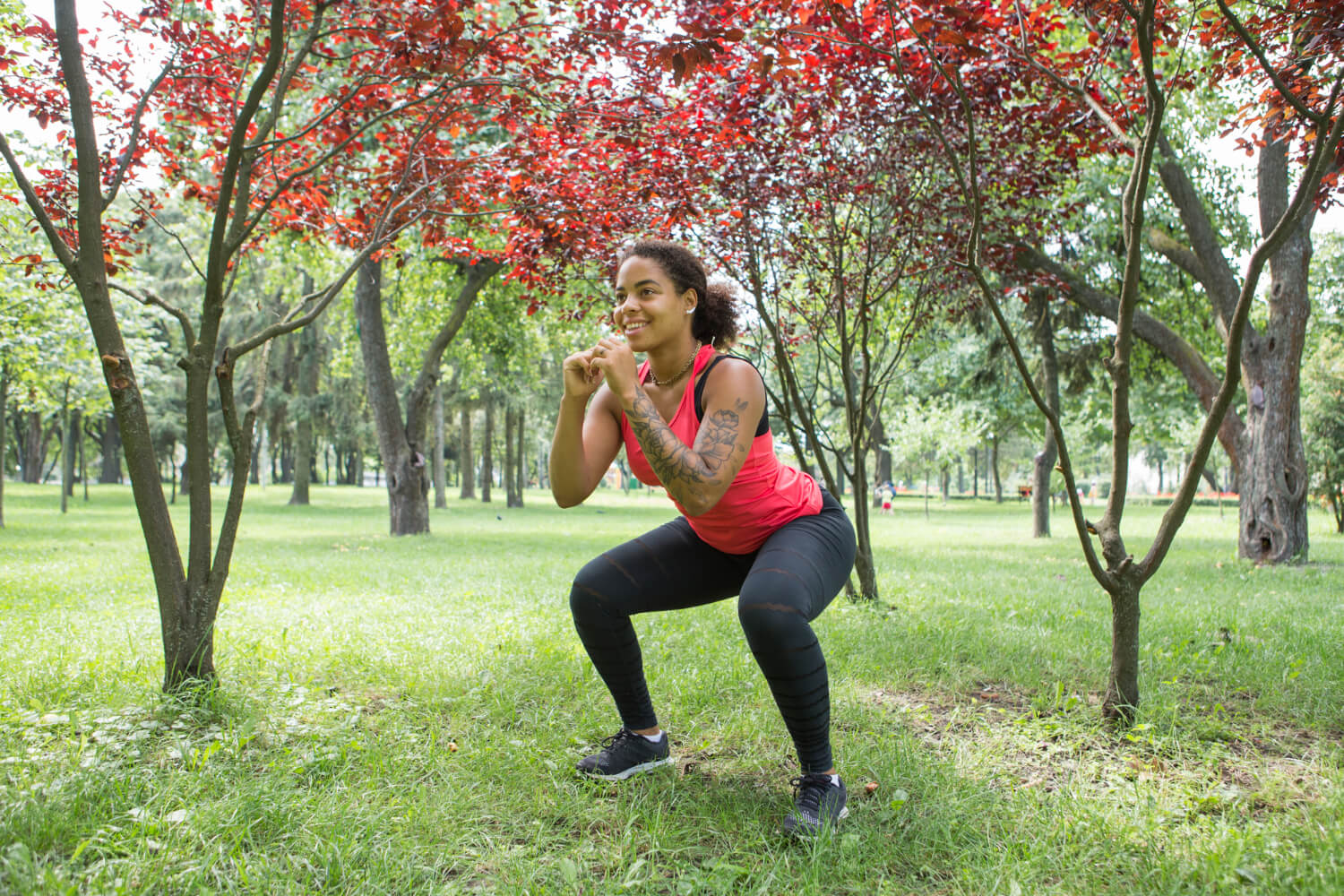
Spring often brings fresh motivation to get outdoors, improve fitness, or lose some winter weight. Walking, jogging, cycling, dancing, gardening, padel, and community sports are all enjoyable ways to move more. While some activities require equipment or court fees, exercise can also be as simple and affordable as walking around your neighbourhood or following a home workout.
However, doing too much too quickly can lead to sore muscles, joint injuries, dehydration, or more serious health problems. Whether you are exercising for the first time or returning after a long break, the safest approach is to start slowly and give your body time to adjust.
Why Regular Movement Matters
Regular exercise strengthens the heart, muscles, and bones. It can help manage weight, blood pressure, blood sugar, and cholesterol. Being active may also improve sleep, reduce stress, and lift your mood.
Adults should aim for 150 to 300 minutes of moderate-intensity physical activity each week. This could be divided into 30 minutes on five days of the week. During moderate-intensity activity, you should be able to talk but not sing.
Beginners do not need to reach this target immediately. Start with what you can manage, even if it is only a few minutes at a time. Some movement is better than none.
Build Up Gradually
A common mistake is trying to do in one week what should take several weeks to achieve. Someone who has not exercised for months should not immediately attempt a long run, a demanding padel match, or an intense gym session.
Begin with something manageable, such as a 10-to-15-minute walk. Gradually increase the time, pace, or distance, but avoid changing everything at once.
Slight muscle stiffness may occur when starting a new activity. Sharp, severe, or worsening pain is different. Pushing through pain can turn a small problem into an injury that takes weeks to heal.
Prepare for Faster Sports
Padel has become a popular way to exercise and socialise, but it can be physically demanding. The game involves quick turns, short sprints, sudden stops, and repeated movements of the arm and shoulder.
Before playing padel, soccer, netball, or another fast-moving sport, warm up for five to ten minutes. Walk briskly or jog gently, then move the ankles, knees, hips, and shoulders through a comfortable range of motion. Starting a competitive game while the body is still cold may increase the risk of strains and sprains.
After exercising, slow down gradually for another five to ten minutes. Stretch gently without bouncing or forcing a painful movement.
Wear Suitable Shoes
Expensive exercise clothing is unnecessary, but suitable footwear matters. Shoes should fit comfortably, support your feet, and provide enough grip for the activity and surface.
Running shoes may not provide the sideways support needed for court sports. When playing padel, choose shoes that offer good grip and support during quick changes of direction.
Replace badly worn shoes, especially when the soles are smooth or uneven. When exercising near roads, wear bright or reflective clothing so that drivers can see you. Use a familiar, well-lit route and exercise with someone else when possible.
Take Care in Hot Weather
Spring temperatures can rise quickly. Try to exercise early in the morning or later in the afternoon, avoiding the hottest part of the day. Wear loose, lightweight clothing, use sunscreen on exposed skin, and carry drinking water.
Drink regularly and do not wait until you are extremely thirsty. Headache, dizziness, weakness, nausea, muscle cramps, and unusually heavy sweating may indicate heat exhaustion. Stop exercising, move to a cool place, loosen unnecessary clothing, and cool the skin with cold, wet cloths.
Confusion, fainting, seizures, loss of coordination, or very hot skin may signal heatstroke. This is a medical emergency. Call emergency services immediately and begin cooling the person while waiting for help.
Allow Time for Recovery
Hard exercise every day does not always bring faster results. Muscles need time to repair and become stronger. Alternate demanding exercise with gentler activity or rest days.
Sleep, water, and balanced meals support recovery. Most beginners do not need costly powders or supplements. Affordable foods such as eggs, beans, lentils, maas, tinned fish, chicken, vegetables, and wholegrain starches provide useful nutrients.
Know When to Get Medical Advice
Speak to a doctor before beginning strenuous exercise if you have heart disease, diabetes, uncontrolled high blood pressure, breathing problems, severe joint pain, or a recent injury or operation.
Stop exercising and seek emergency help if you develop chest pressure or pain, severe or unusual shortness of breath, faintness, a cold sweat, nausea, or pain spreading to the arm, back, neck, or jaw. These may be warning signs of a heart attack.
Conclusion
Becoming active is one of the best choices you can make for your health, but progress does not need to be fast. Choose an activity you enjoy and can afford, start at a manageable level, and build up gradually. Listen to your body, drink enough water, and allow time for recovery. A steady routine is more likely to become a lasting habit than an exhausting programme that leads to injury.
Medical Society provides 24/7 telehealth consultations from anywhere, at any time, nationwide, making it easier to seek professional advice about exercising safely, existing health conditions, or worrying symptoms.