5 Health Benefits Of Incorporating Yoga Into Your Lifestyle
June 21 is the International Day of Yoga. Whether you're an experienced yogi or a novice, read on for more about how yoga can transform your physical, mental, and emotional health.
What is Yoga?
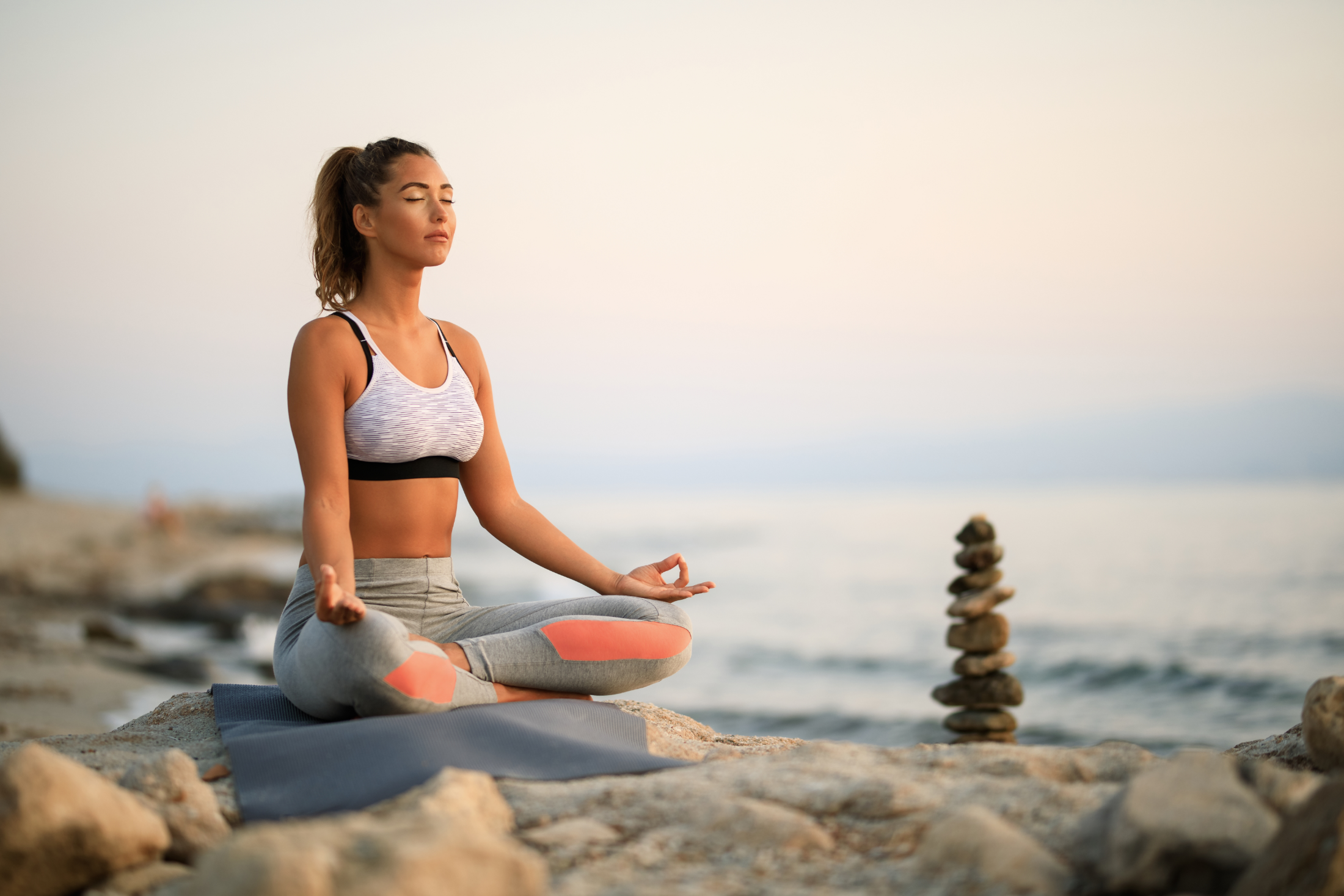
Yoga, which dates to 5000 years ago, is an ancient discipline that combines physical postures (asanas), breathing exercises (pranayama), and meditation. Originally developed as a spiritual discipline to attain enlightenment, yoga has evolved and is now practised worldwide for its numerous health benefits.
How Yoga can Improve your Wellbeing
Whether you're looking to boost your physical fitness or find inner peace, yoga offers a holistic approach to achieving harmony between your body and mind.
1. Improves Flexibility and Strength
One of yoga's most well-known benefits is its ability to improve flexibility and strength. Regular practice helps to stretch and tone the muscles, improving range of motion and reducing the chance of injury.
How It Works: Yoga involves a series of poses (asanas) stretching the muscles and improving joint flexibility. Many poses also require you to support your body weight in new ways, which helps build strength.
Try This at Home
Downward-Facing Dog (Adho Mukha Svanasana): While on your hands and knees, tuck your toes and raise your hips towards the ceiling to form an inverted V shape. Hold your hands shoulder-width apart and your feet hip-width apart. This pose stretches the hamstrings, calves, and shoulders while strengthening the arms and legs.
Warrior II (Virabhadrasana II): Stand with your feet wide apart, and turn your right foot 90 degrees out and your left foot slightly inward. Bend your right knee over your right ankle, spread your arms to the sides, and look over your right hand. Hold for a few breaths, and then swap sides.
2. Reduces Stress and Promotes Relaxation
Yoga is a valuable method for reducing stress. Regular exercise, controlled breathing, and meditation may help reduce the physiological effects of stress and promote mental relaxation.
How It Works: Yoga encourages mindfulness and deep breathing, which activate the parasympathetic nervous system (your body's rest-and-digest mode). This lowers the production of stress hormones such as cortisol and promotes a state of calm.
Try This at Home
Child's Pose (Balasana): Kneel on the floor, sit back on your heels, and then fold forward with your arms out in front of you or at your sides. Rest your forehead on the carpet and take deep breaths. This position is ideal for relaxing and extending the back.
Legs Up the Wall (Viparita Karani): Sit near a wall, lean back, and stretch your legs against it. Relax your arms at your sides and concentrate on your breathing. This moderate inversion relieves tension and improves circulation.
3. Enhances Respiratory Function
Yoga emphasises deep, mindful breathing, which can improve your overall lung capacity and efficiency. This focus on breath control, or pranayama, is a core aspect of yoga.
How It Works: Pranayama involves various breathing techniques that increase oxygen intake and improve lung function. This can be especially beneficial for those with respiratory conditions or anyone looking to enhance their breathing efficiency.
Try This at Home
Alternate Nostril Breathing (Nadi Shodhana): Sit comfortably with your spine straight. Close your right nostril with your right thumb, then inhale through your left. Close your left nostril with your right ring finger, then release your right nose and exhale through it. Inhale via the right nostril, shut it, then exhale through the left. Repeat this cycle for a few minutes to balance your breath and calm your mind.
4. Boosts Mental Clarity and Focus
Yoga's meditation components might help you become more focused and clear-headed. Regular practice helps to quiet the mind, enhance concentration, and boost cognitive function.
How It Works: Yoga promotes mindfulness and concentration in the present moment. This mental discipline can improve focus and efficiency in daily tasks.
Try This at Home
Seated Forward Bend (Paschimottanasana): Sit on the floor with your legs extended straight in front of you. Inhale, lengthen your spine and hinge at your hips to reach for your feet as you exhale. Keep your back straight and focus on your breath. This pose helps calm the mind and improve concentration.
Tree Pose (Vrksasana): Stand tall and shift your weight onto your left foot. Place the sole of your right foot on your inner left thigh or calf (avoid the knee). Bring your hands to your heart or extend them overhead. Focus on a point in front of you to maintain balance. This pose improves focus and balance.
5. Supports Heart Health
Yoga may improve heart health by lowering risk factors such as high blood pressure, cholesterol, and chronic stress.
How It Works: Combining physical activity, stress reduction, and improved circulation helps lower blood pressure and improve heart function. Regular practice can also encourage healthier lifestyle choices.
Try This at Home
Bridge Pose (Setu Bandhasana): Lie on your back, knees bent, feet hip-width apart. Press your feet into the mat and elevate your hips to the ceiling. Clasp your hands beneath your back and push your arms into the mat. This pose strengthens the back and glutes while opening the chest and improving circulation.
Corpse Pose (Savasana): Lie flat on your back, legs outstretched, arms at your sides, and palms up. Close your eyes and take long, slow breaths. This pose promotes deep relaxation and is a great way to end your yoga practice.
Conclusion
Yoga offers a holistic approach to well-being, from improving flexibility and strength to reducing stress, enhancing respiratory function, boosting mental clarity, and supporting heart health. Plus, with simple poses that you can do at home, it's easy to incorporate yoga into your daily routine. So, roll out your mat, take a deep breath, and start your journey to better health with yoga today.
Medical Society offers a healthcare plan that covers a range of convenient Telehealth Consultations with a Nurse, Doctor, or Mental Health Professional and various medical services at our strategically located medical centres nationwide. Contact Medical Society for helpful advice on how our service can assist you and your family and more beneficial information on improving your health and well-being.