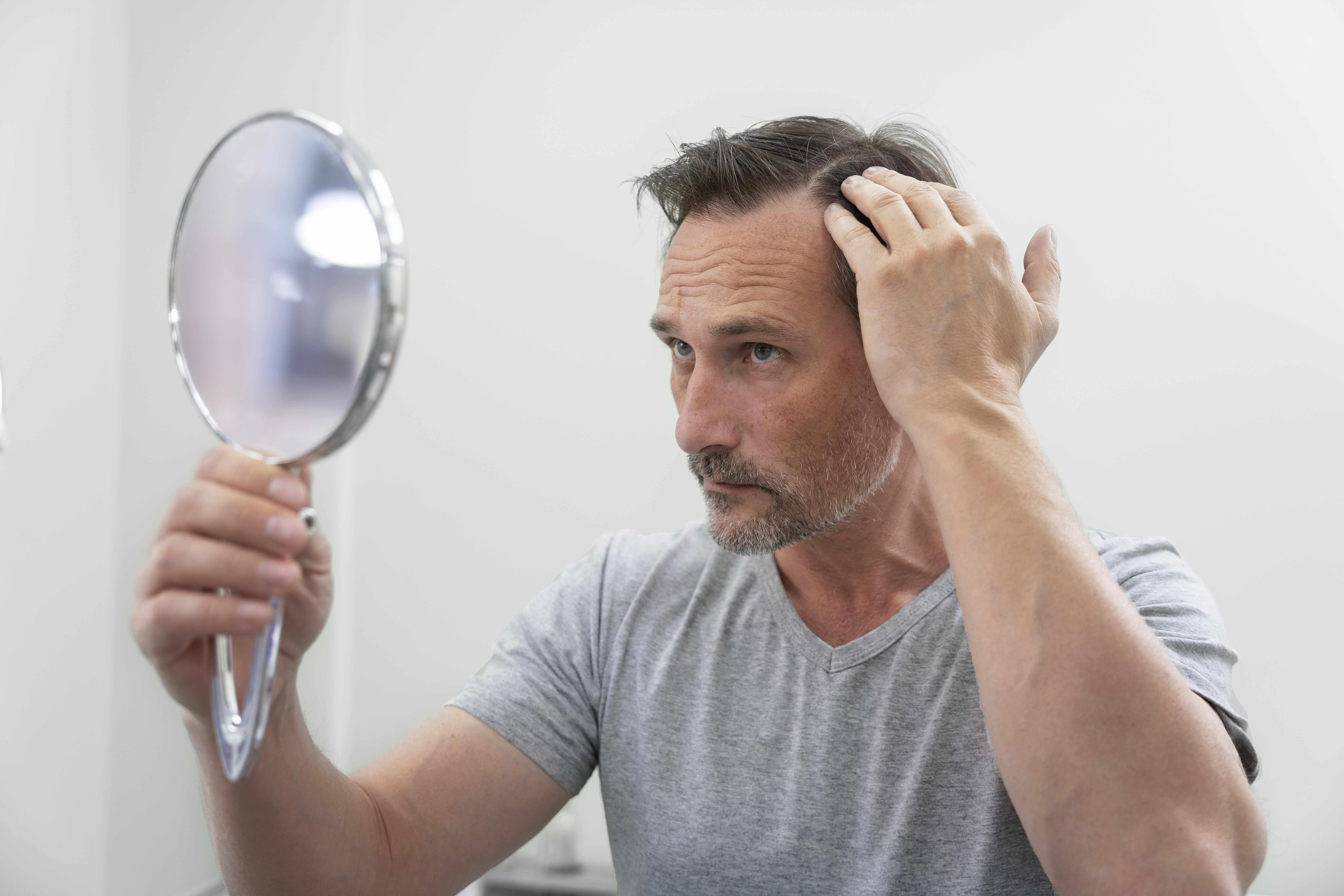
Hair Loss In Your 20s And 30s: What’s Behind Early Balding?
Hair loss isn’t just a problem for older people; there are many young adults in their 20s and 30s are also experiencing thinning hair, receding hairlines, or sudden shedding. It can be worrying and unexpected, especially if you’re otherwise healthy. Read on to learn more about what’s behind early balding, and when you should see a doctor.
1. Genetics (Androgenetic Alopecia)
One of the most common causes of early balding is genetic hair loss, known as androgenetic alopecia. This affects both men and women and can start as early as the late teens or early 20s.
In Men:
- Often starts with a receding hairline or thinning at the crown.
- Hair becomes finer, then stops growing in certain areas.
In Women:
- Hair may thin around the parting or top of the scalp, rather than receding.
- Total hair loss is rare, but density can noticeably decrease.
If you have a family history of hair loss, you may be genetically predisposed—even if your parents didn’t go bald until much later in life.
2. Hormonal Imbalances
In women, hormone-related conditions such as Polycystic Ovary Syndrome (PCOS) or thyroid disorders can cause thinning hair or excessive shedding by disrupting the normal hair growth cycle. These conditions often go undiagnosed, so it’s important to be aware of other possible symptoms, including irregular periods, acne or oily skin, sudden weight changes, and ongoing fatigue or mood swings. Hormonal imbalances can usually be confirmed with blood tests and, in many cases, managed effectively with the proper treatment.
3. Stress and Trauma
Physical or emotional stress can lead to a type of hair loss known as telogen effluvium, where a large number of hair follicles shift into a resting phase and begin shedding a few months later. It can be triggered by events such as surgery, illness (including COVID-19), sudden weight loss or crash dieting, or a traumatic life experience. The positive news is that this kind of hair loss is usually temporary, and hair often regrows once the underlying cause is treated or resolved.
4. Nutritional Deficiencies
Your hair relies on nutrients, including iron, zinc, biotin, and protein, to stay strong and healthy. A diet lacking in these essential nutrients—particularly one low in animal products or fresh produce—can lead to thinning or breakage. Iron-deficiency anaemia is a common cause of hair loss in young women, so if you often feel tired, appear pale, or experience shortness of breath, it’s worth getting tested.
5. Medication and Health Conditions
Some medications can cause hair loss as a side effect, such as birth control, antidepressants, blood pressure tablets, and certain acne or hormone treatments. Hair loss may also be linked to underlying health issues, including autoimmune diseases, diabetes, or scalp infections such as ringworm.
6. Hair Practices and Styling Damage
Wearing tight hairstyles like braids, buns, or ponytails, using chemical treatments such as relaxers or bleach, and applying excessive heat from straighteners or dryers can all cause traction alopecia—a type of hair loss from repeated strain on the follicles. This is especially common in people with Afro-textured hair and, if not managed early, can lead to permanent hair loss.
When Should You See a Doctor?
If you notice sudden or patchy hair loss, excessive shedding that lasts for more than three months, bald spots or scaling on your scalp, or other symptoms such as fatigue, missed periods, or weight changes, it’s important to seek medical advice. Hair loss can be a sign of an underlying health issue, and getting help early can make a big difference.
Final Thoughts
Hair loss in your 20s or 30s might feel alarming, but you’re not alone, and you’re not powerless. From hormones and stress to styling habits and nutrition, there are many reasons young adults lose hair, and many of them are treatable.
Pay attention to your body, take note of any other changes, and don’t hesitate to speak to a healthcare provider for support. Medical Society offers access to 24/7 telehealth consultations to help you uncover the cause and take back control of your health—starting from the root.