A life without comfort foods like dairy and cheese is unimaginable for some of us – but not everyone has the luxury of eating these milky treats without serious gastric repercussions.
If you’re lactose intolerant, you are not alone! Loads of people from gas, bloating, fatigue, congestion, post-meal sluggishness, brain fog, acne, stomach pains, and cramps, diarrhoea or constipation.
According to the NIH, about 65 % of the world population are lactose intolerant which means that you cannot digest lactose – the primary sugar in dairy. Your body lacks the enzyme lactase, which is needed to digest dairy properly.
Benefits of going dairy-free
Cutting out dairy is a life-saving measure that can only improve your quality of life. And contrary to popular belief, you won’t be losing out. Because of everything cows can give, plants can provide more of all the necessary nutrients, flavours, and added health benefits.
According to the Institute for Integrative Nutrition, these are the benefits of eliminating dairy from your diet:
- Reduced exposure to antibiotics and hormones. Cows are injected with loads of hormones and antibiotics. This leads to an over-proliferation of antibiotic-resistant bacteria and causes imbalances in the gut microbiome. It can cause chronic gastrointestinal conditions.
- Reduction in inflammation: Being lactose intolerant or allergic to milk causes inflammation in the gut. Inflammation causing foods like dairy poses the risk of unhealthy bacterial or yeast overgrowth. The yeast infection incapacitates the sufferer with uncomfortable symptoms such as diarrhoea, headaches, itching, stench, thick mucous excretions and chronic fatigue
- Regulated digestion: After eliminating dairy, lactase deficient people will have an easier time assimilating nutrients from their food. When they consume dairy, they experience gas, bloating and inflammation in the gut, which causes malabsorption of nutrients
More benefits include:
- Weight loss: Dairy products are naturally high in sugar and saturated fats. Once you remove dairy from the diet, you lose weight. Your skin clears. High sugar and saturated fats are usually the cause of acne, especially among women with fluctuating hormones during their menstrual cycle.
- Improves nutrient absorption: By eliminating dairy and switching to plant-based calcium sources such as broccoli; dark, leafy greens, beans, tofu, papaya, dried figs and oranges and seafood like sardines, there is better absorption of vitamins such as vitamins C, D and K and minerals such as iron, zinc and magnesium. Together with physical exercise, there is also an overall improvement in bone health. These nutrient-dense foods have the added bonus of crowding out unhealthy foods that are high in sugar and saturated fats.
- Hormonal balance: Dairy products contain estrogen and other hormones such as the growth hormone IGF. It has Insulin, like Growth Factor 1, which poses an increased risk of cancer. The high sugar content and saturated fat content of dairy products may also affect fluctuations in blood sugar levels. This results in insulin resistance, the leading step on the way to type-2 diabetes
- Clearing-up psychological impacts: Your body responds with inflammation when it is allergic to something, and this affects you physically and emotionally. And once you remove the food that you are sensitive to, psychological effects such as brain fog, anxiety and depression clear.
The replacement
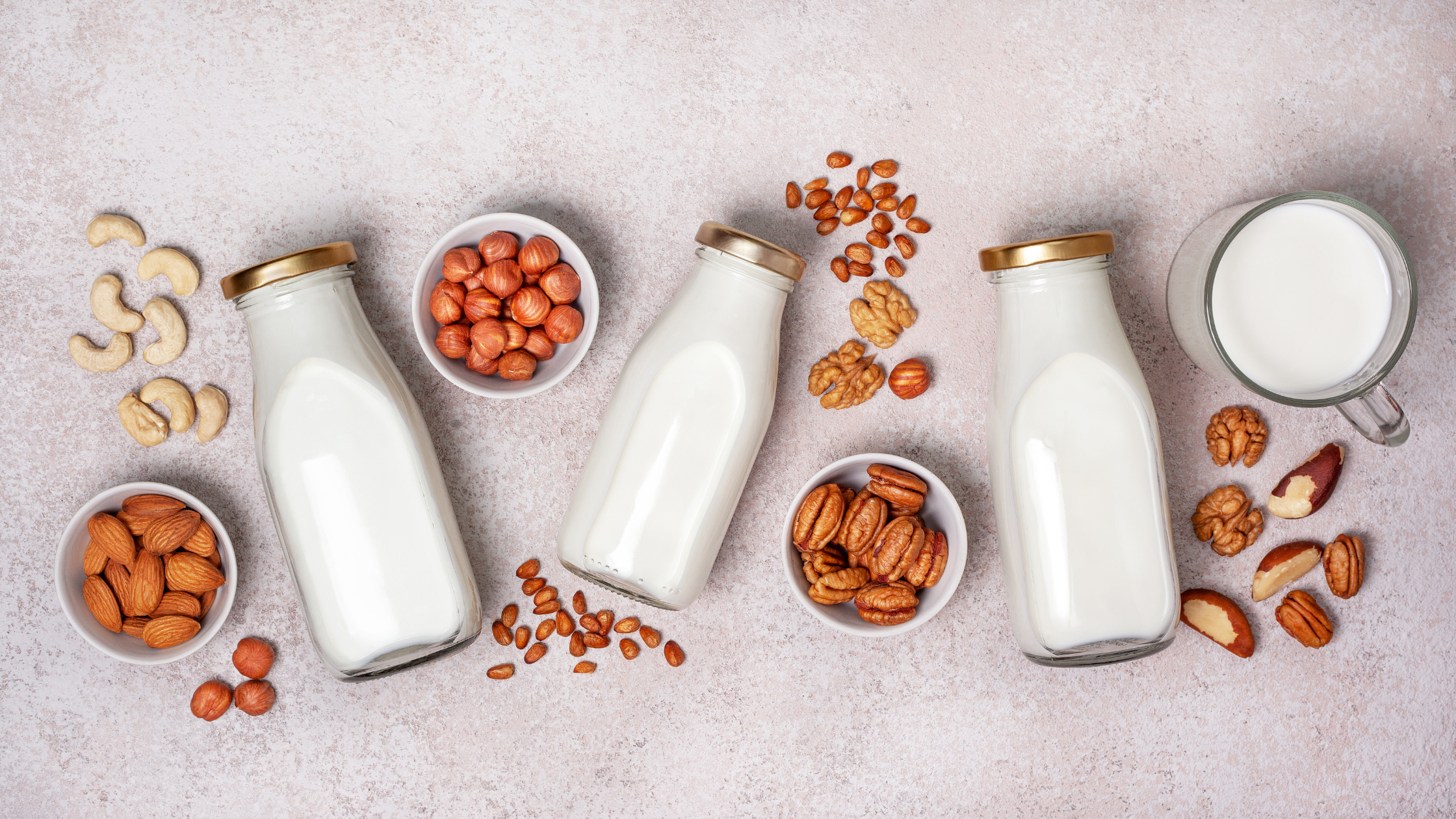
There are many dairy substitutes, starting with plant-based kinds of milk such as nut milk with almond and macadamia being the most popular; oat milk, soya milk and coconut milk. However, the experts advise; make your own milk at home, to avoid exposure to additives, sugars and thickening agents.
For instance, you can substitute butter with avocado, olive or coconut oils in dairy-free cooking and baking.
With such a wide variety of alternative ingredients, you can still enjoy your favourite meals.
You can enjoy:
- lattes made with plant-based oat milk,
- Goat cheese or plant cheese can serve as pizza toppings
- soy yoghurt can be used in exotic curries, Mediterranean dishes and desserts.
Almond is the most popular.
Almond milk is a healthier alternative than most to animal milk. Although almond milk is not as nutritious as cow’s milk, says Medical News Today, its enriched products are a close second. Almond milk is actually naturally high in several vitamins and minerals, especially vitamin E. Also, almond milk manufacturers usually add vitamin D, calcium, and protein, making them more similar to regular milk in nutritional content.
It is also lower in calories and fat. One cup of almond milk has only 39 calories. This is half the amount of calories in a cup of skim milk.
In comparison, low fat cow’s milk contains 5% carbs, totalling 12 g in 1 cup.
Almond milk is high in fat and protein relative to its carb content, so it doesn’t cause a spike in blood sugar levels. This makes it an excellent option for people who are insulin resistant or have diabetes, as well as those who are following a low carb diet like banting or Keto.
Always consult a registered healthcare practitioner for guidance before making any dietary or physical changes to your lifestyle and routine.
Cover for the whole family
The Medical Society covers you and your family for whatever unforeseen illnesses may come your way, offering affordable health care for adults and kids. Adult members are covered for an array of Primary health care treatment benefits.
From only R89 per month, members are covered for unlimited nurse room visits, as well as dietary advice from professionals.