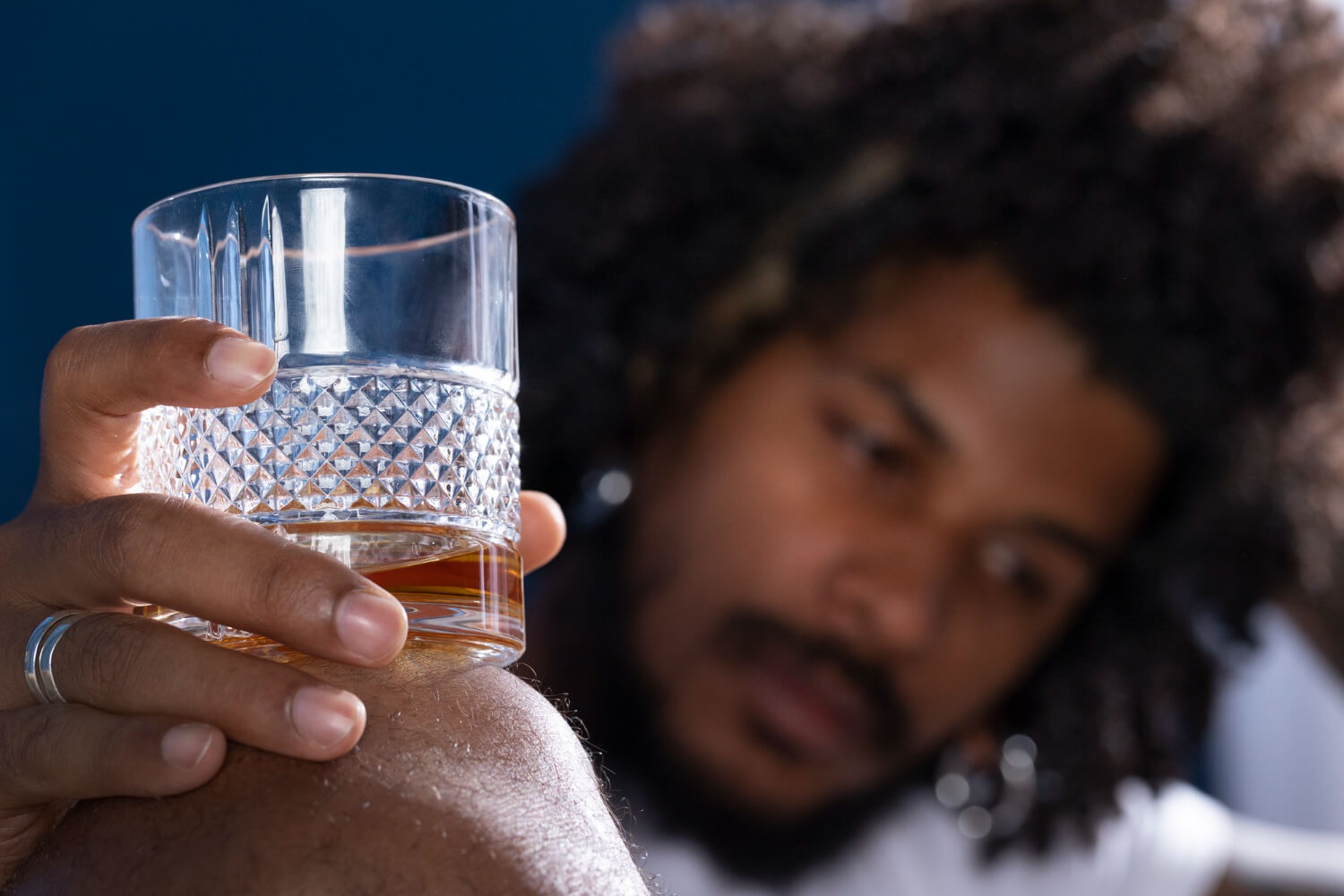
Most people do not think much about their liver until something goes wrong; yet, this hardworking organ helps process nutrients, remove toxins, and break down medicines and alcohol. With World Hepatitis Day (28 July) highlighting the importance of liver health, it is worth knowing that alcohol can make hepatitis worse and increase the risk of serious liver damage over time.
Hepatitis means inflammation of the liver. It can be caused by viruses, alcohol, certain medications, toxins, and some autoimmune conditions. Viral hepatitis includes hepatitis A, B, C, D, and E. Some types cause short-term illness, while others can become chronic and lead to long-term liver damage.
Research shows that avoiding alcohol is strongly recommended for people living with hepatitis B or hepatitis C. Alcohol places extra strain on the liver and may speed up liver damage, increasing the risk of cirrhosis, liver failure, and liver cancer.
Why the Liver Struggles with Alcohol
When alcohol enters the body, the liver works to break it down. During this process, harmful substances are produced that can damage liver cells.
Over time, regular or heavy drinking can lead to inflammation, fat build-up, scarring, and permanent liver damage.
For someone living with hepatitis, the liver is already working harder than normal. Alcohol adds extra strain and can make it more difficult for the liver to heal and repair itself. This is why even occasional drinking may be risky for people with chronic liver disease.
Alcohol-related liver disease and viral hepatitis can also occur together. When both are present, the risk of serious complications becomes much higher.
Hepatitis Does Not Always Cause Symptoms
One of the biggest concerns about hepatitis is that it can develop quietly. It’s common for people with hepatitis B or hepatitis C to feel completely well for years while liver damage slowly progresses.
Possible symptoms may include:
- Tiredness.
- Nausea.
- Loss of appetite.
- Yellowing of the skin or eyes.
- Dark urine.
- Pale stools.
- Stomach pain.
- Joint pain.
- Unexplained weight loss.
However, many people experience few or no symptoms in the early stages, which is why testing remains important for those who may be at risk.
How Alcohol Affects Hepatitis B and C
Hepatitis B spreads through infected blood and certain body fluids. While some people clear the infection naturally, others develop chronic hepatitis B, which can cause long-term liver damage.
Hepatitis C is mainly spread through blood-to-blood contact. Today, many cases can be treated successfully with antiviral medication, but untreated infection can still lead to serious liver disease.
Alcohol can worsen both hepatitis B and hepatitis C by increasing inflammation and causing further damage to liver tissue. In people with chronic hepatitis, alcohol use is linked to faster liver scarring and a higher risk of cirrhosis and liver cancer.
What About Alcoholic Hepatitis?
Alcoholic hepatitis, also called alcohol-associated hepatitis, is different to viral hepatitis.
Alcoholic hepatitis is inflammation of the liver caused directly by heavy alcohol use. In some cases, it may cause mild symptoms. In others, it can lead to severe and potentially life-threatening liver damage.
This is an important distinction because of the common assumption that hepatitis is always caused by a virus. In reality, hepatitis simply means inflammation of the liver, and alcohol can be one of the causes.
How to Protect Your Liver
Looking after your liver involves more than avoiding alcohol.
Helpful steps include:
- Avoiding alcohol if you have hepatitis or liver disease.
- Getting tested if you may be at risk.
- Getting vaccinated against hepatitis B when appropriate.
- Never sharing needles, razors, or toothbrushes.
- Choosing reputable tattoo and piercing providers.
- Practising safer sex.
- Taking medication only as directed.
- Eating balanced meals and maintaining a healthy weight.
- Speaking to a healthcare professional before using supplements or “detox” products.
The liver is resilient, but long-term damage can still develop if risks are ignored.
Conclusion
Alcohol can make hepatitis worse by increasing inflammation and placing extra strain on an already vulnerable liver. The challenge is that liver disease often develops quietly, with few symptoms in the early stages. World Hepatitis Day is a reminder that testing, vaccination, safer lifestyle choices, and reducing or avoiding alcohol can help protect long-term liver health.
Medical Society offers access to in-person consultations and telephonic consultations, helping patients obtain professional guidance on hepatitis concerns, alcohol-related health risks, liver symptoms, and when further testing or treatment may be needed.