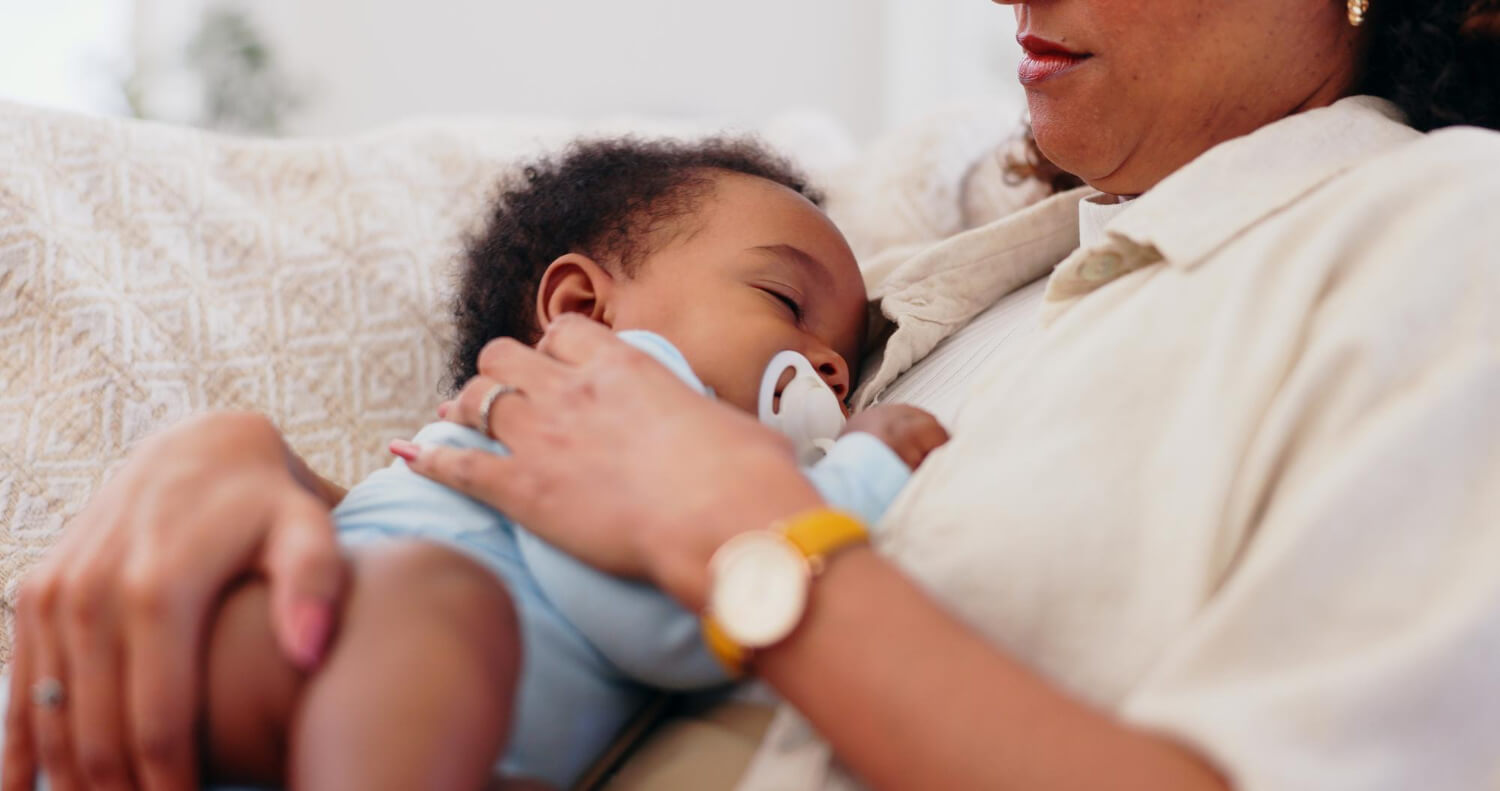
Many mothers worry that they should stop breastfeeding when they get sick. Whether it is a cold, flu, fever, stomach bug, or breast infection, one of the biggest concerns is often whether the baby will get sick too.
The good news is that, in most cases, breastfeeding can continue safely, even when a mother is unwell. In line with this, World Breastfeeding Week (1–7 August) is a reminder that breast milk does more than provide nutrition; it also helps comfort, hydrate, and support a baby’s immune system.
Will Your Baby Get Sick Too?
In most cases, common illnesses are not passed to a baby through breast milk.
By the time a mother starts feeling sick, her baby has often already been exposed through normal day-to-day contact. When the body fights an infection, it produces antibodies that can pass through breast milk and help support the baby’s immune system.
This is one reason healthcare professionals often encourage mothers to continue breastfeeding when they have a common illness.
Stopping breastfeeding suddenly can also cause problems, such as painful breast engorgement, blocked milk ducts, mastitis, and a drop in milk supply.
Common Illnesses and Breastfeeding
Mothers can usually continue breastfeeding if they have a cold, flu, mild fever, diarrhoea, mastitis, or are vomiting.
If you have a cold or flu, simple steps can help reduce the spread of germs:
- Wash your hands regularly.
- Avoid coughing or sneezing near your baby.
- Clean surfaces that are touched often.
- Wear a mask if necessary.
- Rest as much as possible.
If you feel too unwell to breastfeed directly, expressing milk can help maintain your supply while another caregiver feeds the baby.
What If You Have a Fever?
Having a fever does not automatically mean you should stop breastfeeding.
You can continue feeding while resting, drinking plenty of fluids, and monitoring your symptoms.
However, a high fever, worsening symptoms, dehydration, severe weakness, breast redness, chest pain, or breathing difficulties should never be ignored and may require medical attention.
Taking Medication While Breastfeeding
Many medicines can be used safely while breastfeeding, but it is always important to check first.
Always tell your doctor, pharmacist, dentist, or nurse that you are breastfeeding before taking any medication.
Medicines that are often considered compatible with breastfeeding include:
- Paracetamol.
- Many commonly prescribed antibiotics.
- Asthma inhalers.
- Many routine vaccinations.
- Some local anaesthetics used during medical or dental procedures.
However, some medicines need extra caution. These may include certain pain medications, decongestants, sleeping tablets, and herbal remedies. Natural products are not always safe during breastfeeding. If you are unsure whether a medicine is safe while breastfeeding, you can contact Medical Society for a quick and professional telephonic consult from the comfort of your home.
When Extra Medical Advice Is Needed
There are situations where breastfeeding may require closer medical supervision.
This can include certain serious infections, chemotherapy, radioactive treatments, or medications that are not considered safe while breastfeeding.
Premature babies, newborn babies, and babies with medical conditions may also need closer monitoring if their mother becomes seriously ill.
This does not mean breastfeeding should automatically stop. It simply means medical advice should be sought so the safest plan can be made for both mother and baby.
Do Not Forget to Look After Yourself
When a baby needs constant care, it’s common for mothers to put their own health last.
However, rest, fluids, nutritious meals, and support from family or friends can make a big difference when it comes to recovery.
It is especially important to stay hydrated if you have a fever, diarrhoea, are vomiting, or are sweating more than usual. Keeping a bottle of water nearby during feeds can help.
Some mothers notice a temporary drop in milk supply while they are sick, especially if they are not eating or drinking enough. In most cases, supply improves again once they recover and continue feeding or expressing regularly.
When to Seek Medical Help
Speak to a healthcare professional if:
- Your symptoms are severe.
- You are becoming dehydrated.
- You are not getting better.
- Your baby is feeding poorly.
- You are unsure whether a medication is safe while breastfeeding.
Seek urgent medical help if:
- Your baby is difficult to wake.
- Your baby refuses feeds.
- Your baby has fewer wet nappies than usual.
- There are signs of dehydration.
- Your baby has breathing difficulties.
- Your baby develops a high fever.
- You develop severe breast pain, swelling, or redness.
Conclusion
Getting sick while breastfeeding can be worrying, but in most cases, there is no need to stop feeding. Breast milk continues to provide nutrition, comfort, and immune support while you recover. If you are unsure about medication, symptoms, or your baby’s health, do not hesitate to seek medical advice.