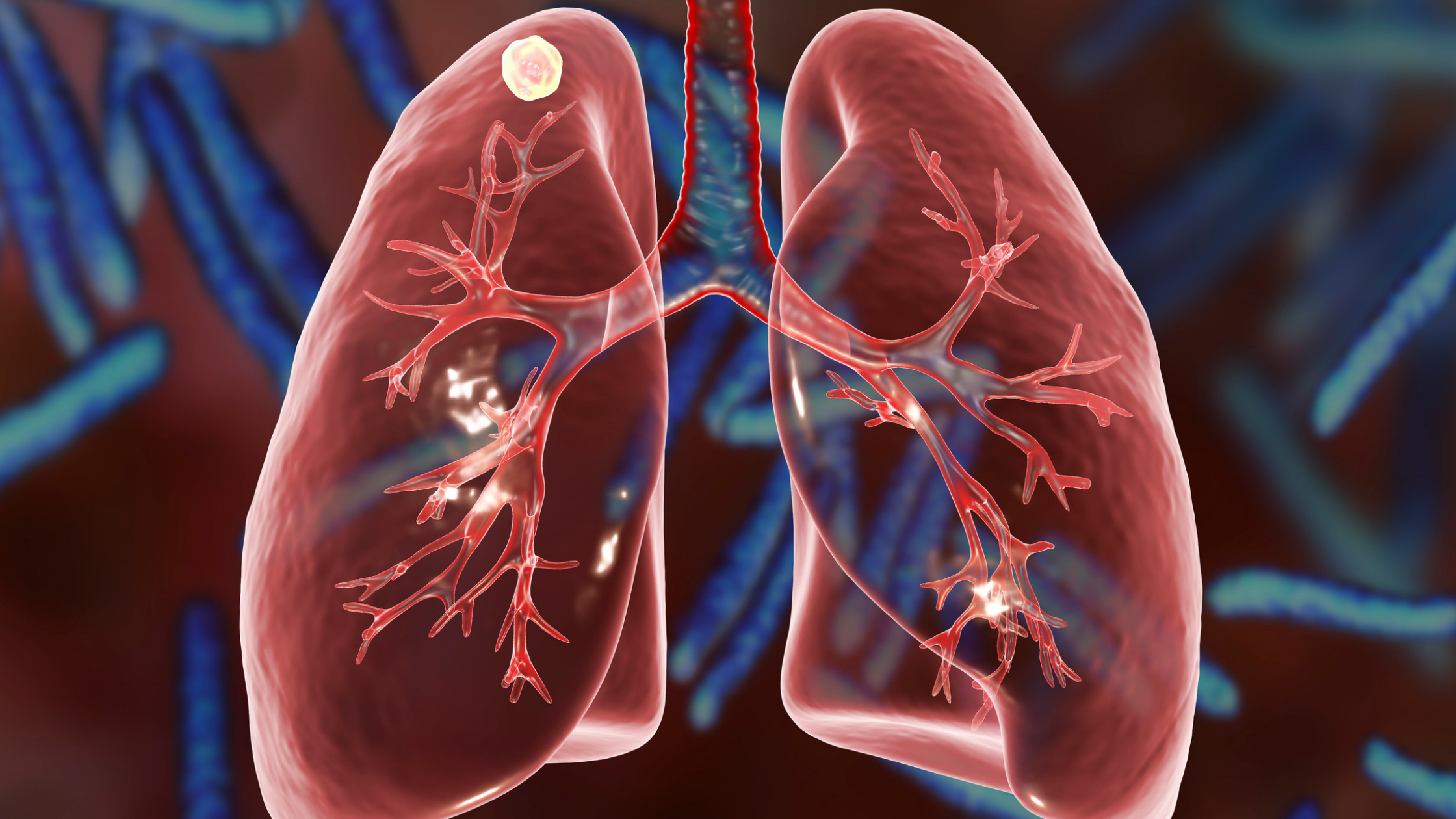
WORLD Tuberculosis Day on 24 March 2021 is themed ‘The Clock is Ticking’ and is about a commitment to ending TB by 2030! TB has caused health, social and economic devastation across the world for decades.
By 2022, the World Health Organisation (WHO), the driver of the global campaign, aims to; diagnose and treat 40 million people with TB, including 3.5 million children and 1.5 million people with drug-resistant TB. They also want to provide 30 million people with preventive treatment. In this group, 24 million are household contacts of sufferers, 4 million are children under 5, and 6 million are people with HIV.
They are saving lives!
Since the year 2000, the global bid to end the disease has saved 63 million lives. In 2019, 10 million people contracted TB, 1.4 million people died of the disease, and 465 000 people fell ill due to multidrug-resistant TB (MDR-TB). At least 25 000 to 32 000 children get MDR-TB.
Absolutely devastating statistics!
In 2019. 1.2 million children under 15 years got the disease, and 230 000 children died, of which 80% of these were under five years of age.
The WHO says tuberculosis remains one of the world deadliest infectious killers, with nearly 4000 dying daily and 28 000 people diagnosed every day from this preventable and curable disease.
The TB Contagion
The attack is airborne; the bacterium Mycobacterium tuberculosis flies in on a droplet of spit from an infected person’s coughing, singing, sneezing or laughing – and makes its way to your lungs (pulmonary tuberculosis) where it proceeds to infect and destroy body tissue. Infection presents as a shadow on the lungs when viewed on x-ray. Long term tuberculosis may spread from there to other organs such as the brain, liver, heart and spine, if not treated in time.
TB of the other organs
TB that has spread to the other organs is known as extrapulmonary tuberculosis.
A study conducted in Johannesburg revealed that the most common sites of extrapulmonary tuberculosis were the pleura (39.1%), lymph nodes (31.0%), blood (21.8%), central nervous system (7.3%), and abdomen (2.9%), reports The Conversation.
Another study conducted in the KwaZulu-Natal province also showed pleural TB as the most common form of extrapulmonary TB (36% of patients), the site continued.
In 2017 alone, Extrapulmonary TB accounted for 14% of TB cases worldwide! Across the continent, extrapulmonary tuberculosis accounted for 16% of the 1 323 450 cases recorded. It accounts for 11% of all TB cases in South Africa.
In a high TB prevalent area like South Africa and especially the Western Cape, anyone can be exposed to M. tuberculosis and be asymptomatic latent TB carriers.
Sufferers may find themselves resident in a developed country like Canada and New Zealand, get sick one day and be diagnosed with active TB, simply from having been exposed in South Africa. As a preventive measure, people who live in high TB prevalent areas should test for latent TB and receive treatment if tested positive. It is best to take latent TB medication, which consists of one tablet, to prevent the turn into active TB.
Pulmonary symptoms
Pulmonary tuberculosis is the most prevalent form of the disease. Below are signs and symptoms to look out for.
- Fatigue
- Sore throat and a dry cough, as if you were having a bronchospasm
- Cough up dark yellow phlegm and blood specks
- Fever – high intensity and low-grade fevers
- Night sweats
- Chest pains
- Stooped shoulders from coughing so much and the chest pains
- Lose considerable amounts of weight
IF you experience any or all of the above symptoms, the best thing to do is get to a medical facility right away. Do not attempt to self-diagnose or self-treat.
Diagnosis
The disease would have been in your body for at least six weeks to reflect as a positive result.
At the public health facility, the doctor will:
- Check your medical history
- Check for fluid on your lungs
- Call for a chest X-ray
- Direct the nurses to do biometrics and collect sputum samples sent to the laboratory for microbiological tests.
On receiving positive tuberculosis results, the treatment programme that lasts from 6 – 8 months starts immediately with a dose of 4 -6 tablets. These are usually: isoniazid, pyrazinamide, ethambutol (Myambutol) and rifampin (Rifadin), reports Healthline.
In a bid to break the cycle of infections and resistance to TB medication (multi-drug-resistant TB – MDR-TB) if patients skip treatment, public health facilities prefer that patients come to the facility every day to receive their medication. In this way, clinicians keep track of treatments and defaulters (patients who don’t arrive for their treatment).
Clinicians advise patients to take their medication at the same time every day; keep the tablets in a daily pill organiser, tick off on a calendar that they’ve taken the dose and have an accountability partner to remind them.
The bottom line, treatment has to be completed. Many patients feel better and stop treatment or skip doses. That is a potentially fatal error.
The Medical Society helps people manage chronic and infectious diseases. All primary healthcare facilities offer chronic disease and health promotion services through daily health educational programs. The Medical Society covers you and your family for whatever unforeseen illnesses may come your way, offering affordable healthcare for adults.
Starting from R89 a month, we cover our members for unlimited nurse-room visits, as well as dietary advice from professionals. Medical consultations with a Primary Healthcare Professional for illnesses and minor injuries. The Healthcare Professional can dispense acute medication up to schedule 4 if needed.