
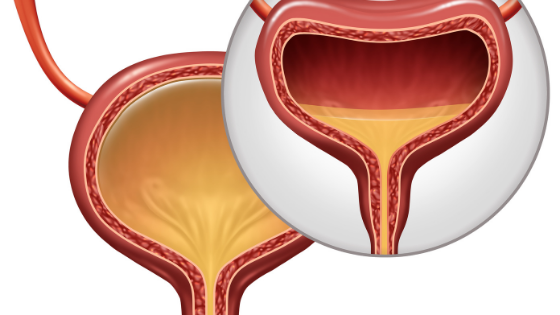
As a child, you probably heard certain rules about your bladder like: ‘Don’t hold in your pee, your bladder will burst!’ . While a burst bladder is quite a dramatic threat, there is some value to the lesson.
Taking care of your urinary health is important for both preventing uncomfortable health conditions and making sure everything stays in working order.
Drink enough fluids, don’t hold in your urine and above all never play around with any diseases involving the urinary tract, which consists of the bladder, kidneys, urethra and ureters.
Urinary Tract Infections
Many people suffer from recurring Urinary Tract Infections (UTIs); but why? Well, according to Mayo Clinic, urinary tract infections typically occur when bacteria enter the urinary tract through the urethra and begin to multiply in the bladder. Although the urinary system is designed to keep out such microscopic invaders, these defences sometimes fail.
Symptoms
Symptoms include pain, fever, a burning sensation in the genital area and the need to urinate frequently. Untreated, a UTI can lead to sepsis and kidney damage. Medical News Today urges sufferers to consult a doctor immediately should the following occur:
- Severe symptoms that persist for more than a week without improving,
- recurring infection,
- the sufferer’s immune system is compromised and there are other contributing factors that worsen the infection.
If any of the above should occur, the doctor will prescribe a course of antibiotics to treat the disease.
To speak to a medical professional, contact The Medical Society. The Medical Society is passionate about proper healthcare for both children and adults. The Medical Society covers you and your family for whatever unforeseen illnesses may come your way, offering affordable healthcare for adults.
Starting from R89 a month, members are covered for unlimited nurse room visits, as well as dietary, hygiene and all health-related advice from professionals.
Antibiotics
For many people, antibiotics are not an option. Overuse can have unpleasant effects on the body such as stomach discomfort, a bacterial imbalance in the stomach, mouth and vagina infections, such as thrush and other ailments.
Many prefer to use natural remedies to heal. Another concern is that overuse of antibiotics leads to antibiotic resistance.
Prevention
Prevention is better than cure when it comes to improving urinary health.
- After using the loo, or when washing, wipe from front to back
- Urinate after sexual activity to help expel bacteria,
- When urinating, empty the bladder completely,
- shower instead of having a bath,
- For women, ditch the perfumed intimate products and avoid using barrier methods of birth control that require spermicidal lube, which affects the PH of the vagina.
Before seeking a natural means of healing, it is best to consult your health professional first. Not every natural product or modality will suit you. Different medications and remedies work for different people and it takes time, effort and money to find the right fit. With that said, cranberry products – supplements and sugar-free cranberry juices – are favoured for healing UTI and for strengthening the urinary tract organs. Proanthocyanidins (PACs) found in cranberries destroy the bacteria that sticks to the lining of the urinary tract.
Drink water!
As with all health regimens, everything begins with fluid intake, specifically water and eating the right foods that will assist the organs. Experts recommend at least 2.2 litres of water – six to eight glasses – a day and frequent visits to empty the bladder, at least every two to three hours, even though this may be painful and uncomfortable. Increased water intake has been proven to bring relief from UTI.
Which foods should I eat for urinary health?
When it comes to food, it is best to avoid acidic foods or drinks. These include coffee, alcohol, citrus fruits, processed foods, sugar, tomato-based foods, artificial sweeteners and spicy foods.
Some of the foods and fruits that soothe the body are pears, bananas, green beans, winter squash, potatoes, lean proteins, whole grain bread, nuts and eggs.
A 2020 study found that a vegetarian or a plant-based, whole food diet devoid of processed foods quickened healing. The researchers attribute this to the antibacterial effect of antioxidants, which are plentiful in plant-based diets.
Vitamin C
Vitamin C is also another popular choice for treating and preventing UTIs, as it supports the immune system. The vitamin is consumed through food such as red and green peppers, kiwi fruit, broccoli and cantaloupes, or in a supplement. Other favourite supplements are the probiotic strain lactobacillus as it is believed to prevent UTI and D-mannose, a sugar that is found naturally in fruit and vegetables such as apples, cranberries and seaweed because it stops bacteria from leeching out of cells in the urinary tract.
Loose-fitting, preferably cotton underwear and clothing are recommended to reduce perspiration and prevent moisture from pooling in the pelvic area, thereby stopping the infection from worsening. It is best to avoid tight clothing and synthetic fabrics. In many ways, besides keeping the pubic area clean and dry, changing what you wear can prevent the growth of bacteria and recurring infection.
Heat application is another means of bringing some relief. A heating pad, covered in a towel to prevent burns, is applied to the affected area for a short period of time.


