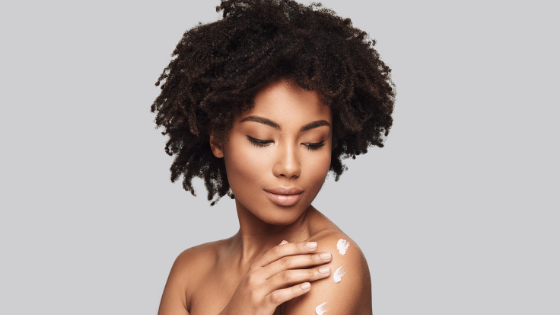
Most people desire to have skin that is shiny, supple and glowing. This is the basis of a multibillion-dollar skincare industry that offers lotions, pills and all sorts of potions that promise men and women anti-ageing properties. These products also offer protection from the sun’s harsh rays, which is important for the fight against conditions like eczema and skin cancer.
Your skin defends you from a constant barrage of germs, bacteria, viruses, air and chemical pollutants in the environments you work, play and live in. As the body’s largest organ, the skin is best protected by you and that requires ditching unhealthy habits and developing, good healthy routines.
Changes in the skin
The skin is constantly challenged by genetics, age, hormones and illnesses, as it works to regulate body temperature, maintains fluid balance, controls moisture loss, acts as a barrier and shock absorber, experiences pain and sounds the alarm to dangers. It also protects us against harmful UV rays.
We add to all the skin’s challenges by stress, smoking, consuming unhealthy food and drink, neglecting sleep and exercise and breathing properly. We don’t drink enough water and overdose on sunshine.
The importance of diet
According to Medical News Today, eating healthy is the biggest factor in keeping the skin supple and healthy, right deep down at a cellular level. The best foods to consume for healthy skin include mangoes for antioxidants; tomatoes and white tea for its anti-cancer and anti-ageing properties; olive oil to lower the risks of skin damage that includes wrinkles, skin discolouration; cocoa flavanols in dark chocolate help with the structure and function of skin and decreases roughness, scaling and increases skin hydration. Olive oil can also be used topically on particularly drier parts of the body.
Polyphenol, the compound in green tea, has been found to rejuvenate dying skin cells, heal wounds and inflammation. The lutein and zeaxanthin in kale protect against light-induced skin damage, while Omega-3 found in oily fish, walnuts and pumpkin seeds or oils such as linseed oil and corn oil helps prevent dryness and scaling of the skin. Protection from the sun is essential with a hat and a sun protector from SPF 15 upward.
Medical professionals also suggest a calorie-restricted diet by 35%, especially carbohydrates to decelerate the ageing process while cutting alcohol intake may be a preventative measure against the development of non-melanoma skin cancers.
Of course, smoking is a no-no as well, as it drains the skin of nutrients and oxygen and reduces the natural elasticity of the skin, leading to decreased collagen production.
Destress
Stress has been found to cause skin conditions such as dry patches, itching, rashes, skin bumps, troublesome sweating and eczema. With stress, the body is flooded with the stress hormone cortisol, which causes inflammation in the skin and weakens the skin barriers. Skin conditions such as eczema, acne and psoriasis worsen.
Besides restoring the skin with ingredients such as antioxidants, vitamins, ceramides, amino acids and moisturisers, pamper your skin with gentle cleansers and a suitable serum and cream for your skin type and condition. Aromatherapy essential oils added to a spritzer, bath, massage oil or infuser bring a sense of calmness and well-being. Another great way to relax is with a face mask.
Exercises
Meditation, breathing exercises and tai chi are gentle ways to exercise and relax at the same time. In recent years, Face Yoga has grown in popularity. The simple exercises that involve breath-work as well, will improve muscle strength, will tone facial muscles and make the face appear slimmer.
Sleep
Getting enough deep sleep of between seven and nine hours a day will have a positive impact on skin function and ageing and is a key de-stressor. Complexion and skin tone should improve while dark circles around your eyes should disappear.
The National Sleep Foundation found that sleeping less than seven hours a night is detrimental to health, and chronic sleep deprivation is not only linked to obesity, immune deficiency, diabetes and cancer but also causes premature skin ageing. With adequate deep sleep, the body can repair itself and the skin, muscles, blood and brain cells can regenerate.
Moisturise
Dull and lifeless skin can glow with enough hydration from within by drinking at least two litres of water a day and with the right skincare routine.
The American Academy of Dermatology recommends that a five-to-ten minute warm – not hot – water shower or bath should be taken a day; also avoid harsh soaps and abrasive bath sponges and scrub brushes; to pat the skin dry gently with a soft towel and to moisturise immediately after washing to trap in moisture.
Before taking any mediation or using any topical treatments, the best course of action is to consult a medical professional. The Medical Society is passionate about proper health and nutrition for both children and adults. The Medical Society covers you and your family for whatever unforeseen illnesses may come your way, offering affordable healthcare for adults.
Starting from R89 a month, members are covered for unlimited nurse room visits, as well as dietary advice from professionals.