Stomach Cramps – Home Remedies
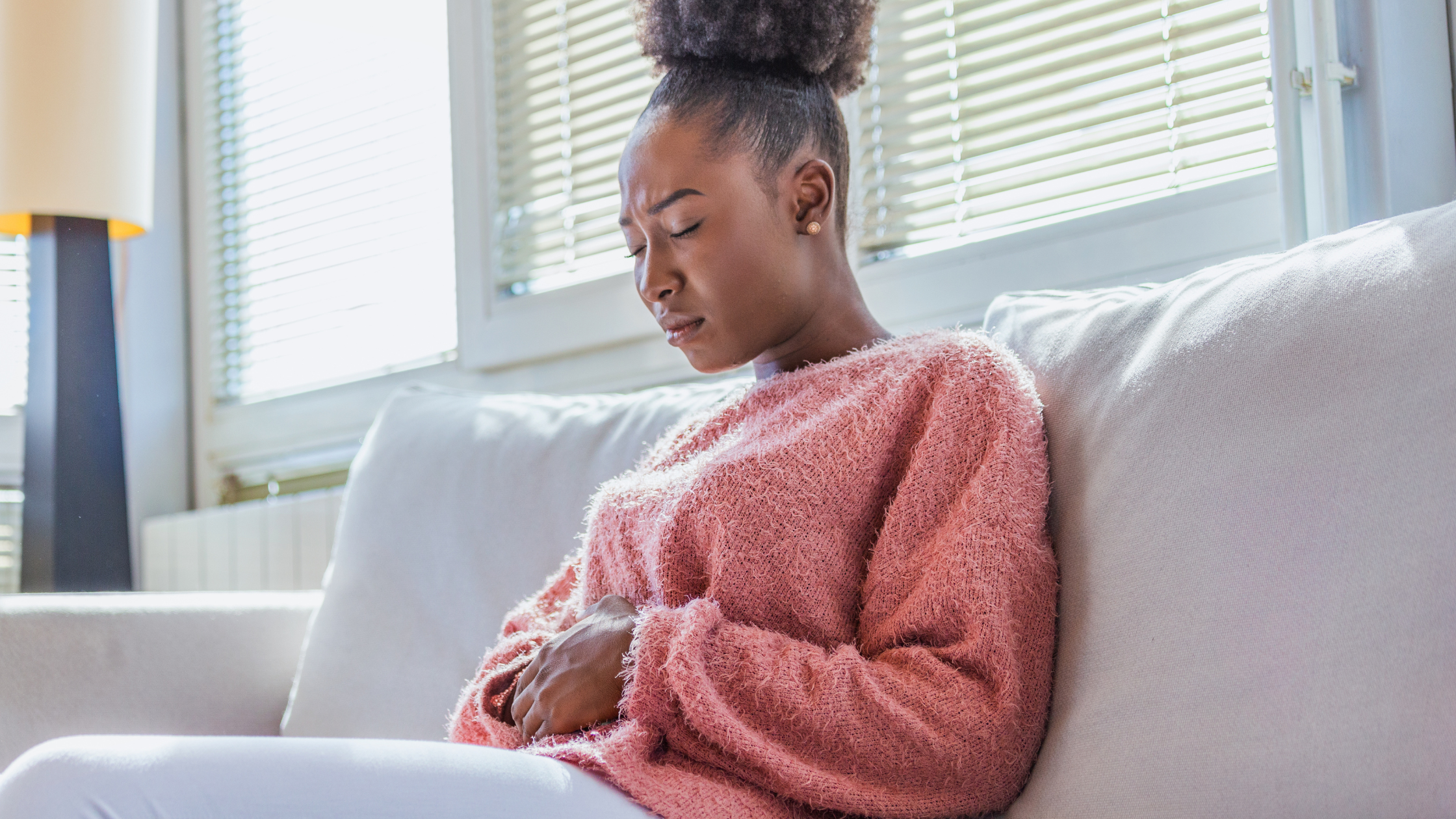
Let’s go through some home remedies for stomach cramps! Stomach cramps are painful and can come from a variety of ailments and causes both benign and, in some cases, super serious. Anything from IBS to period pains to just a little gas can cause mild to intense pain in the stomach area. Usually, once you treat the ailment, the stomach pain will subside. What happens if you don’t know what is causing the pain?
Stomach cramps is a broader term used by patients to describe discomfort and pain in the area between the crotchline and the chest – and it doesn’t necessarily come from the stomach organ. The midsection involves the stomach, gallbladder, liver, pancreas, ovaries and more, all of which can cramp and feel like stomach cramps.
You should always see a doctor if you have unexplained stomach or abdomen pain, but there are temporary measures you can take to ease the symptom itself.
We will discuss the most common reasons for stomach pain and comfort for general cramps.
What Are Common Causes Of Non-Threatening Stomach Cramps?
Most stomach cramps are caused by a few factors: gas, overeating, and cold. When it comes to cramps from bloating, gas and indigestion, there may also be other symptoms involved.
Indigestion
Common symptoms of indigestion are:
- Heartburn, or acid reflux
- Nausea
- Bloating
- Gas
- Belching, sometimes bringing up bitter or foul-tasting fluid or food
- Bad-smelling or sour breath
- Hiccupping and/or coughing
This means something is happening in the gut caused by something you ate. Usually, you need to pass the food through the digestive system, and the issue will clear up over 24 hours. Drink lots of water and avoid solid food to help the digestion process run smoothly. You can take over-the-counter medications like antacids, and low-intensity laxatives like Senokot or Lacson, or drink warm teas.
Period Pain
Another leading cause of abdominal cramping is period pain. During a period, when the muscular wall of the womb tightens, it causes period pain. This tightening is also called contractions. These contractions occur in your womb, but most women cannot feel them because they are mild.
However, the womb wall starts to contract more vigorously during your period. It does this to shed the womb’s lining.
When the wall of the womb contracts, it compresses blood vessels lining the womb. This cuts off the blood and oxygen supply to your womb releasing chemicals that trigger pain.
Adding a warm compress to the area and taking some over-the-counter pain medication works to soothe this. Soaking in a hot bath can also ease menstrual cramps. Heat therapy relaxes the uterus muscles, increases blood flow and relieves pain, explains Women’s Health.
Then, there are common causes of stomach cramps that need further medical attention, even after you have subsided the pain at home.
Bowel Obstruction
A bowel obstruction is widespread and is precisely what it sounds like: anything from a foreign object and undigested food to hardened stool and growths is causing a blockage in the intestine and stopping the body from releasing waste. This can cause bloating, sweating, fevers, abdominal pain, and cramping.
Obstructions result in food, gastric acids, gas, and fluid buildup. As these continue accumulating, pressure in the bowel increases, says Medical News Today. Blockages are dangerous because the intestine can rupture, and the cause of the blockage can enter the abdominal cavity, spreading bacteria.
Bowel obstructions can vary in severity. Some only partially obstruct the intestines, while others cause complete blockages.
You can take medications to relieve the pain, but make sure to see your medical practitioner as soon as possible so you can receive proper treatment. The Medical Society aims to make affordable healthcare available to all South Africans – with nurses and medical staff at hand at our clinics to treat ailments of men, women and children.
Drink loads of fluids and try an OTC stool softener to try to empty the bowels around the blockage in the meantime.
Kidney Stones
Dissolved minerals build up inside the kidneys and create kidney stones. These crystalised minerals are as hard as actual stones, so they cause swelling and a great deal of pain when the body tries to pass them through the urethra – in urine.
Untreated, kidney stones can grow to the size of golfballs and lead to urinary problems, infections, and kidney damage.
Kidney stones can cause a kidney infection. The symptoms include:
- Fever
- Weakness
- Fatigue
- Diarrhoea
- Cloudy, smelly urine.
If you have any of these symptoms, seek medical help at once.
At-home and in-hospital treatments involve:
- A high intake of fluids by mouth or intravenously
- Pain relief medication (usually a prescription is needed)
- Medications to help speed up the passage of stones.
Medication For Stomach Cramps
When you have stomach pain for any reason, avoid non-steroidal anti-inflammatories (NSAIDs) like aspirin, ibuprofen or naproxen. These are not great home remedies for stomach cramps. They can irritate your stomach and cause even more discomfort.
- For gas pain, medicine with the ingredient simethicone can help eliminate it.
- Try an antacid or acid reducer for heartburn from gastroesophageal reflux disease (GERD).
- For constipation, try a mild stool softener to get things moving.
- Medicines with loperamide or bismuth subsalicylate might make you feel better for cramping from diarrhoea.
- Acetaminophen might be helpful for other types of pain.