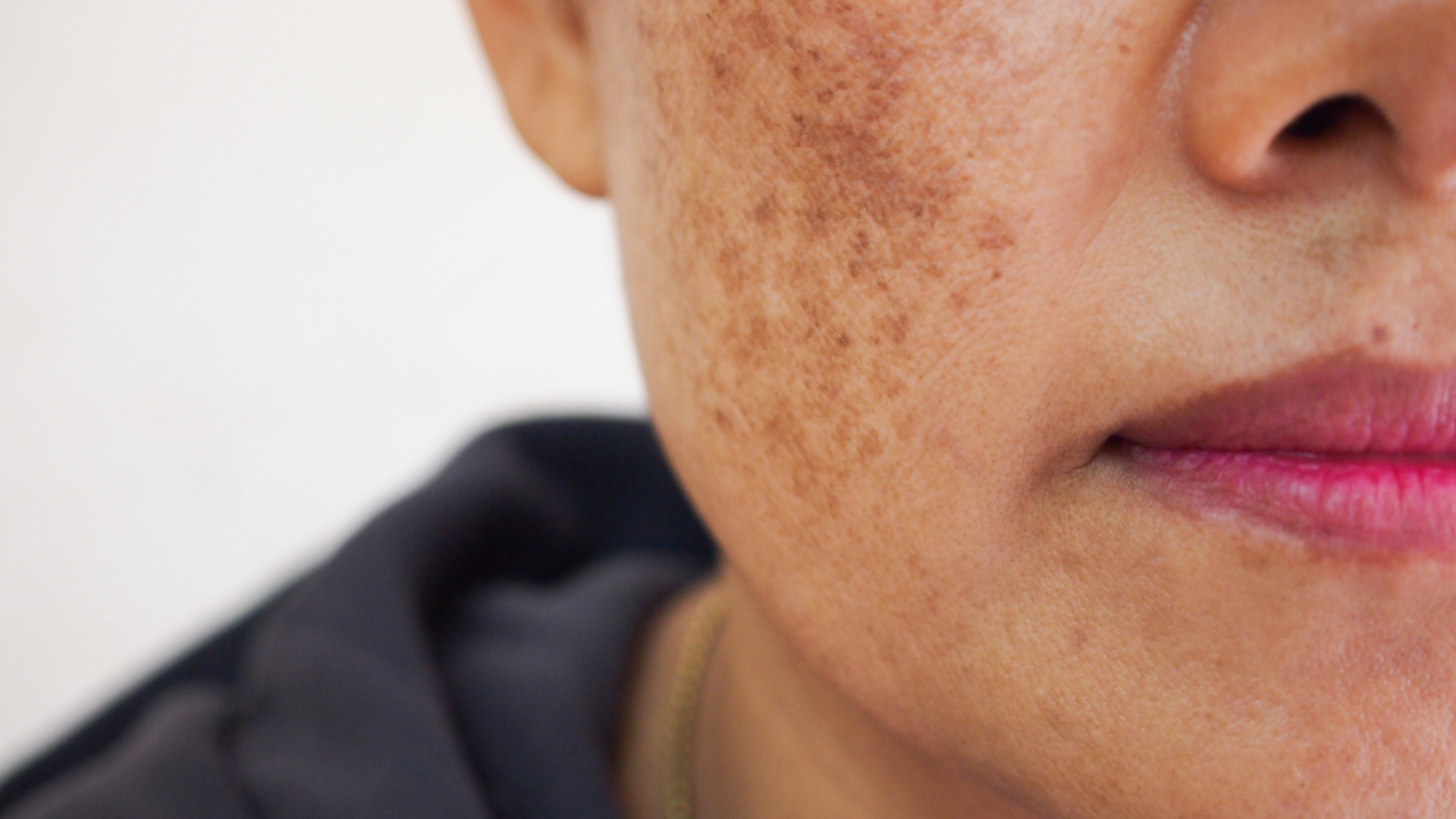
Melasma is a skin condition that causes dark, discoloured patches on the skin. We’re going to take you through how it’s diagnosed, and how to treat melasma from home.
The condition is often associated with pregnancy. However, not only pregnant women can be affected by Melasma.
According to a study at the American Academy of Dermatology, over 90% of melasma cases are women.
The discolouration isn’t harmful and has no side effects, but sufferers have reported feeling self-conscious about their appearance. The affected skin can be dry and flaky in extreme circumstances. There are a few interventions like lotions, creams and dietary changes that help.
What Is Melasma, And How Does It Happen?
The dark brown patches of Melasma are usually present on the face and neckline. Some people might see it on their forearms, thighs, and lower back. This is hyperpigmentation.
The cause of Melasma is unknown, although doctors have determined that it most likely occurs as a result of pigmentation cells in the skin going into overdrive. This can be the result of an influx of hormones.
The condition is often associated with high levels of estrogen and progesterone, explains Family Doctor.
Those most prone to developing Melasma are:
- Women on birth control pills
- People on hormone replacement therapy
- Pregnant women in the second or third trimester
Other causes are:
- Sun exposure
- Living in tropical climates
- Already naturally pigmented, darker skin
Stress and thyroid disease also contribute to Melasma.
How Is Melasma Diagnosed?
Your healthcare professional will start with a visual exam. This is because the only effect of Melasma is darkened skin.
Your physician might also use a Wood’s lamp examination. This particular treatment uses a UV light that is held up to your skin.
It allows your healthcare professional to check for bacterial and fungal infections and determine how many layers of skin the Melasma affects.
They might also perform a biopsy to check for any severe skin conditions. This involves removing a small piece of the affected skin for testing.
The skin is constantly challenged by genetics, age, hormones and illnesses as it works to regulate body temperature, maintains fluid balance, controls moisture loss, acts as a barrier and shock absorber, experiences pain and sounds the alarm to dangers. It also protects us against harmful UV rays.
We add to all the skin’s challenges by stress, smoking, consuming unhealthy food and drink, and neglecting sleep and exercise. We also challenge the skin by not drinking enough water and exposing ourselves to too much sunshine.
The Importance Of Diet
According to Medical News Today, eating healthily is the most significant factor in keeping the skin supple and healthy, deep down at a cellular level.
The best foods to consume for healthy skin include:
- Mangoes for antioxidants.
- Tomatoes and white tea for their anti-cancer and anti-ageing properties.
- Olive oil lowers the risks of skin damage, including wrinkles and discolouration.
- Cocoa flavanols in dark chocolate help with skin structure and function, decreasing roughness and scaling and increasing skin hydration.
Olive oil can also be used topically on notably drier body parts.
Polyphenol, the compound in green tea, has been found to rejuvenate dying skin cells and heal wounds and inflammation.
The lutein and zeaxanthin in kale protect against light-induced skin damage, while Omega-3 is found in oily fish, walnuts, pumpkin seeds, or oils such as linseed oil and corn oil, helps prevent dryness and scaling of the skin.
Protection from the sun is essential with a hat and a sun protector from SPF 15 upward.
Of course, smoking is a no-no as well, as it drains the skin of nutrients and oxygen and reduces the skin’s natural elasticity, leading to decreased collagen production.
Medical Society
Get a Primary Healthcare plan TODAY! We offer unlimited telehealth and in-person primary healthcare consultations for members.
Call us now: 0861 11 10 58
Treatment
Most cases of Melasma do not need medical treatment. Usually, it will fade after pregnancy once the hormones have settled.
Some patients may stop taking the birth control pills, causing discolouration.
You can also get an over-the-counter cream that contains hydroquinone. Creams that combine hydroquinone with kojic acid, azelaic acid, tretinoin, corticosteroids, or glycolic acid can also treat Melasma.
Other cosmetic treatments include:
- A chemical peel
- Microdermabrasion
- Laser treatment
To minimize the appearance of the discolouration, you can try the following:
- Makeup to cover areas of discolouration
- Wearing SPF 30 sunscreen every day
- Wearing protective clothing like a wide-brimmed hat when in the sun. UV rays make the appearance of dark marks more prominent.
Please do not bleach your skin with hydrogen peroxide!
Exposure to diluted hydrogen peroxide solutions can cause temporary skin bleaching – and many women have used this solution for generations to appear fairer or remove dark patches.
A 20–30% concentration is necessary to lighten the skin — a range far greater than the 3% concentration deemed safe in household products.
What is Hydrogen Peroxide?
As clear as water, hydrogen peroxide is a laboratory-manufactured chemical (and a strong one at that).
The product is sold commercially at shops and pharmacies and has relatively low concentrations of around 3 -9 per cent. These products are used either as disinfectants, bleaches or as a hair lightener in their pure form.
Sometimes, peroxide is used as an ingredient in hair dyes to strip the hair of any dark colours or undertones, making it more likely to take on other colours.
Hydrogen peroxide is also used in medications to heal various ailments – mild antiseptics to soothe gingivitis or other irritations in the mouth, disinfect wounds, clear sores and acne.
Using hydrogen peroxide on the skin can cause adverse reactions, including:
- Redness
- Burns
- Blisters
- Swelling
It can also cause eye damage. If a person swallows or inhales hydrogen peroxide, the effects can be severe.