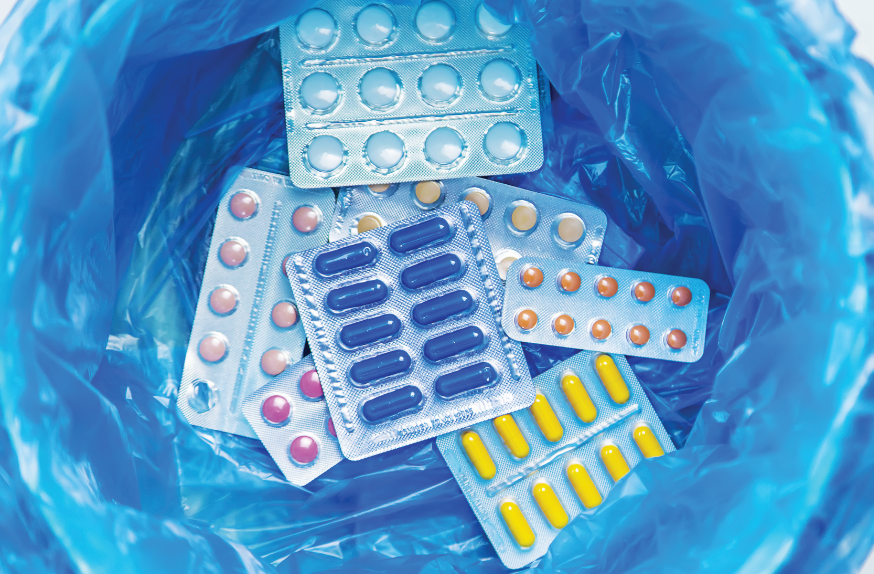
A quick look into our medicine cabinets might reveal a familiar sight: medications that have surpassed their expiration date. This leads many to wonder: Is it safe to take these medications? Can they still be effective? Read on to find out more about the importance of taking note of medication expiration dates and what you should know about consuming them post-expiry.
Understanding Expiration Dates
Medication expiration dates, commonly found on prescription and over-the-counter (OTC) drugs, are essentially an assurance of the drug’s safety and full potency up to that date. Pharmaceutical companies set them through stability testing, which determines how long the medication maintains its integrity and efficacy under specified storage conditions.
Safety Concerns Post-Expiration
The primary concern with expired medications is not usually about harm but diminished potency. A drug might be less effective after its expiration date, which can be problematic for conditions that require precise dosages, like heart diseases or antibiotics where an exact dose is needed to eradicate an infection. Other safety concerns include:
Chemical Composition Changes
Over time, chemical compounds in medications can break down and transform, creating different substances. While rare, these substances can be harmful.
Antibiotic Resistance
Expired antibiotics might not effectively treat infections, leading to prolonged or worsening symptoms. Additionally, using antibiotics that aren’t potent enough can result in antibiotic resistance – a significant global health concern.
Exceptions to the Rule
While many medications might lose potency after their expiration date, certain drugs can become risky:
Tetracycline: An expired antibiotic that can become toxic and cause kidney damage.
Insulin: Used in diabetes management, insulin can lose its effectiveness after expiration.
Biologics: These are medications derived from animal, human or microorganisms through innovative biotechnology. Examples includes hormone therapy and insulin to assist your immune system with targeted treatment options. However, they can become less effective or potentially harmful after expiration.
Nitroglycerin: Critical for treating angina (chest pain), it’s essential that this medication is fully potent.
Studies on Expired Medications
Interestingly, a study conducted by the U.S. military in conjunction with the FDA found that many expired medications retained their potency years after the expiration date. The Shelf Life Extension Program (SLEP), initiated to examine the potential longevity of drug products, found that 90% of more than 100 OTC and prescription drugs were still effective after their expiration dates, some for over a decade.
However, while such findings are promising, they don’t give you the freedom to use expired medications. The study’s controlled conditions – cool, dark, and dry storage – might not mimic the varied conditions of our home medicine cabinets.
Best Practices for Consumers
Regularly Check: Periodically review medications in your possession and dispose of any that are expired.
Proper Storage: Store medications as advised, usually in a cool, dry place, away from sunlight. Avoid storing in bathrooms due to humidity or cars due to temperature fluctuations.
Seek Guidance: If you only have access to expired medication in a critical situation, consult a healthcare professional before consuming. In many cases, it’s wiser to obtain a fresh supply.
Safe Disposal: Don’t simply toss expired medications in the trash or flush them. Instead, follow FDA guidelines for safe disposal.
Conclusion
The expiration date on your medications is more than just a suggestion – it’s an assurance of the drug’s efficacy and safety up to that point. While many medicines might remain potent past this date, the potential risks, particularly with specific drugs, make it wise to heed these dates.
The healthiest approach is proactive:
The healthiest approach is proactive:
- Regularly update your medications.
- Store them appropriately, and when in doubt.
- Consult with a healthcare professional.
Contact the Medical Society for helpful advice on how to safely dispose expired medication.