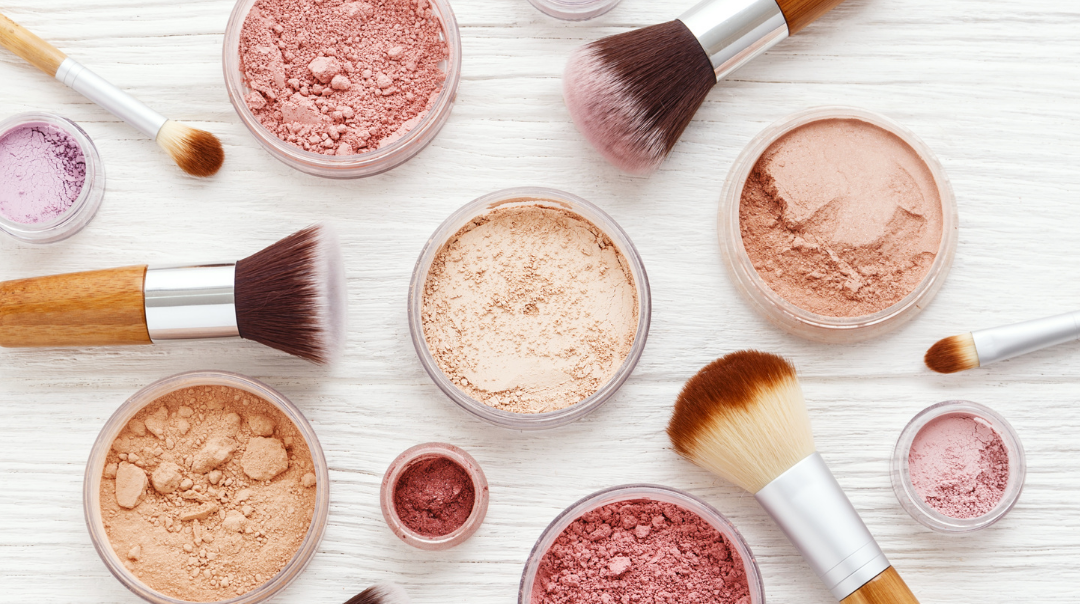
The make-up industry is a multi-billion rand one, and men and women spend large chunks of their salary for skincare, make-up and hair products. Looking good, smelling good and having a good personal hygiene routine are part of being a professional (and just being human, really). We all love to feel good.
But, while shopping for these products, it is essential to be wary of the ingredients list on the packaging. Yes, there are now loads of regulations that these manufacturers need to adhere to (rightfully so), to ensure that their products are safe for humans – but sometimes these things slip through the cracks. Be vigilant by carefully checking everything you put into and onto your body.
Ingredients found in many cosmetic products have been linked to allergic reactions, hormonal disruptions and in extreme cases, to cancer.
According to Hello GLOW, many of the ingredients in beauty products (topically applied ones) go directly into your bloodstream. These small quantities that you absorb will build up over time when applied to the skin or hair. While there are many studies with a variety of opinions on this topic, everyone will agree that using more natural and organic products is the safest bet for you and the environment.
Triclosan and triclocarban
These two ingredients were found in most cleaning and hygiene products like soap and toothpaste for most of the 1990s. It is also found in deodorant.
In 2013, the FDA ruled that manufacturers that used them in their soaps and other products needed to provide evidence that these ingredients weren’t dangerous to humans. They concluded that it had no nutritional benefits and the substance was banned in 2016.
They are functioning anti-bacterial ingredients most popularly used in hand-washes and bath liquids.
Some scientists have expressed concern that products containing triclosan and triclocarban might cause antibiotic resistance, reports Unilever.
But the detergent giant says that the concerns come from studies that do not reflect how people use products. When at home, there is no evidence that products that include these chemicals will compromise the effectiveness or increase the risk of cross-resistance to antibiotics. Expert bodies, including the European Union Scientific Committee on Consumer Safety, have assessed the safety of triclosan and triclocarban and found no basis for people to stop using products that contain them.
Parabens
If you have ever seen a make-up advert, chances are you have heard them mention that their product does not contain parabens. Parabens are endocrine disruptors that mimic oestrogen; this has been linked to several types of cancer, particularly breast and cervical cancer.
According to the FDA, there are no conclusive results that show that parabens are responsible for illnesses in users. However, there is a concern that people who wear make-up every day for years could be overexposed and could experience negative health-related issues because of it.
Also, people who have sensitive skin could experience an allergic reaction; a rash on the scalp or skin.
Products that contain methylparaben, ethylparaben, propylparaben, butylparaben or isobutylparaben, can be considered as parabens.
Lead in certain lipsticks
The dangers of lead and lead poisoning have long been uncovered. But, even in 2020, it seems that certain lipstick manufacturers use lead in tier formulas. Lead is a heavy metal and can cause all sorts of adverse health effects in humans.
Lead poisoning was first documented in the early 1900s. Thousands of people died from it every year. It has since been removed as an ingredient in many products such as paint and fertilisers.
Lead poisoning can present in two ways; acute (from intense exposure for a short duration) or chronic. Chronic lead poisoning is from repeated low-level exposure for a prolonged time. Both cases are potentially deadly.
The brain is significantly affected by lead and can be permanently damaged if the patient isn’t treated immediately, explains Affinity Health.
This is why children all around the world are tested for lead levels in the blood at the first check-up, up until six years of age. It mostly affects kids and can hamper their development.
When lead poisoning was first linked to intellectual disability, it was removed from schools and care homes and eventually from private residences and building materials going forward. People found that lead was in the paint on the walls, in the pencils, and even in the paints and art supplies that the children used and touched.
The Medical Society covers you and your family for whatever unforeseen illnesses may come your way, offering affordable healthcare for adults.