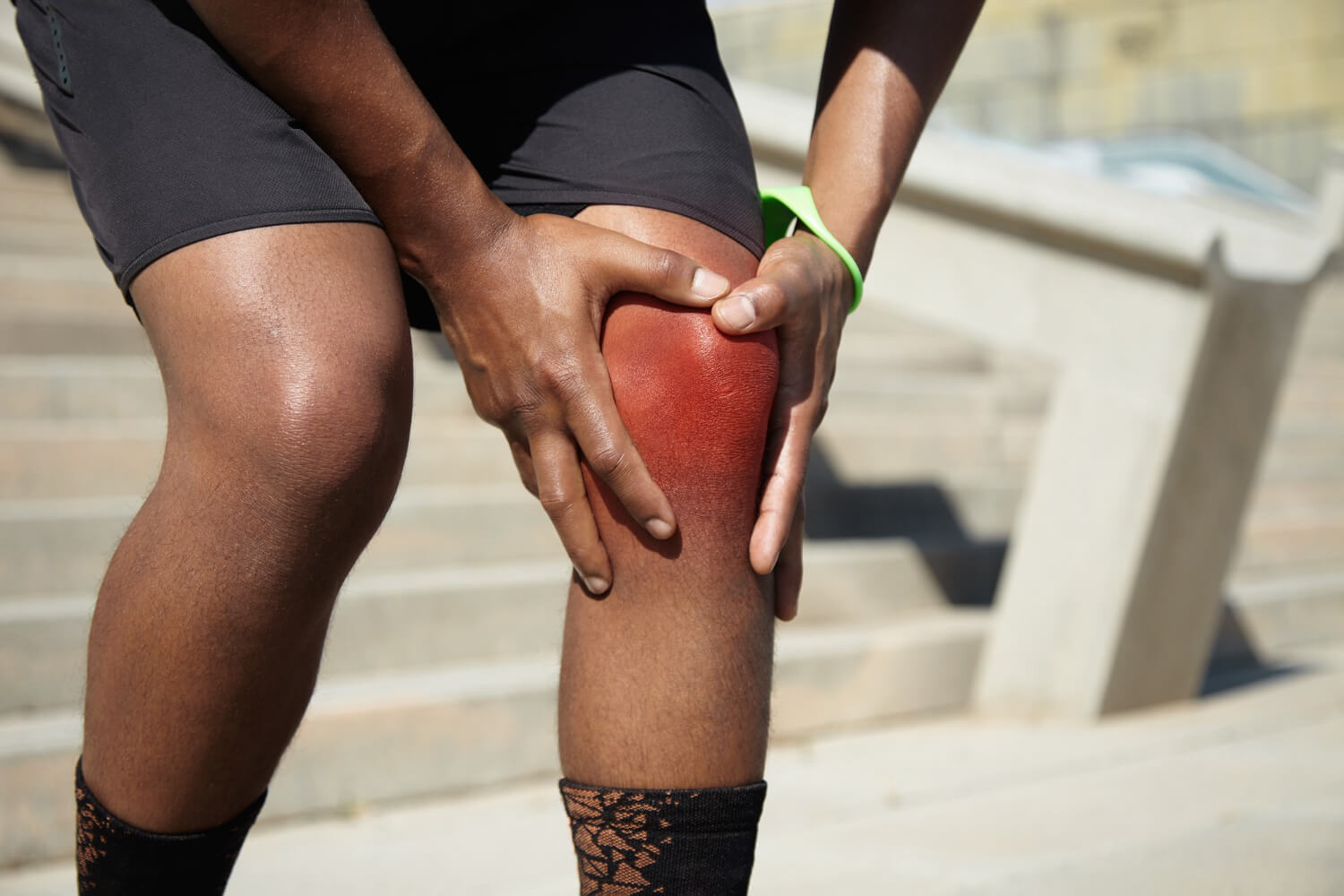
Sport plays an important role in physical and mental health. It builds strength, confidence, and social connection. But for people living with haemophilia, staying active can raise important questions. Is it safe to play sports? What happens if there is an injury? How serious can a bruise become?
On World Haemophilia Day (17 April), it is important to understand how haemophilia affects the body, particularly in relation to physical activity and sports injuries.
What Is Haemophilia?
Haemophilia is a genetic bleeding disorder that affects the blood’s ability to clot properly. When someone without haemophilia gets injured, their blood forms a clot to stop the bleeding. In someone with haemophilia, this clotting process does not work effectively.
There are two main types:
- Haemophilia A is caused by a deficiency in clotting factor VIII.
- Haemophilia B is caused by a deficiency in clotting factor IX.
The severity can range from mild to severe, depending on the amount of clotting factor present in the blood. People with haemophilia do not bleed faster than others, but they can bleed for longer, especially internally.
Why Sports Injuries Can Be a Concern
For most athletes, a bruise or sprain is simply part of the game. However, for someone living with haemophilia, even a minor injury can lead to prolonged bleeding. One of the biggest concerns is internal bleeding, particularly into the joints and muscles.
Joint bleeds most commonly occur in the knees, ankles, and elbows, and repeated bleeding in these areas can cause long-term joint damage, ongoing pain, and reduced mobility. High-impact and contact sports, as well as activities with a high risk of falls, can significantly increase the likelihood of bleeding episodes, which is why careful planning and medical guidance are so important.
Can People with Haemophilia Play Sport?
Yes, absolutely, they can play sports, but it should be done with careful planning and under the guidance of a healthcare professional. In fact, physical activity is encouraged because it strengthens muscles and supports joint health, and strong muscles help protect joints from injury and bleeding episodes. That said, not all sports carry the same level of risk. Lower-risk activities such as swimming, walking, cycling with protective gear, golf, and light gym training are generally considered safer options.
Higher-risk sports, including rugby, boxing, soccer, martial arts, and skateboarding, may increase the chance of injury and bleeding. The aim is not to avoid exercise altogether, but to choose activities that strike a healthy balance between staying fit and staying safe.
Recognising a Joint Bleed
Early recognition of a joint bleed is essential. The sooner treatment begins, the better the outcome.
Signs of a possible joint bleed include:
- Tingling or warmth in the joint.
- Swelling.
- Pain or stiffness.
- Reduced range of movement.
- A feeling of pressure inside the joint.
Managing Sports Safely
For individuals diagnosed with haemophilia, sports participation should always be discussed with a healthcare professional.
Some safety strategies include:
- Regular clotting factor treatment (if prescribed).
- Wearing protective gear such as knee and elbow pads.
- Proper warm-up and stretching.
- Staying hydrated.
- Avoiding overtraining.
- Prompt treatment of any suspected injury.
Open communication with coaches, teachers, or trainers is also important. They should be aware of the condition and know how to respond in the event of an injury.
What About Undiagnosed Cases?
In some cases, haemophilia is not diagnosed until the teenage years or even adulthood. A person might notice that they bruise very easily, bleed for a long time after dental work, or develop unusual swelling after minor sports injuries.
If you or your child experiences frequent bruising, bleeding that lasts longer than expected, repeated swelling in the joints, or if there is a family history of bleeding disorders, it is important to speak to a healthcare provider. Getting an early diagnosis can help prevent long-term joint damage and greatly improve overall quality of life.
When Is a Sports Injury an Emergency?
Seek urgent medical care if:
- There is a head injury.
- Severe pain develops quickly.
- Swelling increases rapidly.
- There are signs of internal bleeding.
- Bleeding does not stop.
Supporting a Balanced Lifestyle
Physical activity supports heart health, mental well-being, and weight management. For people with haemophilia, maintaining a healthy weight is especially important, as excess weight places additional strain on joints.
A balanced approach that includes safe exercise, good nutrition, and regular medical monitoring can help reduce the risk of injury.
Families and caregivers also benefit from education and support. Living with a bleeding disorder can feel overwhelming at first, but with the right guidance, individuals can safely enjoy many aspects of normal life.
Raising Awareness
World Haemophilia Day serves as a reminder that awareness leads to prevention. Recognising symptoms early, seeking diagnosis, and managing physical activity wisely can prevent long-term complications. Sport does not have to be off limits; it simply requires informed choices and medical guidance. Medical Society supports members living with haemophilia through accessible telehealth consultations and nationwide medical centres that provide ongoing monitoring and guidance for safer, healthier living.