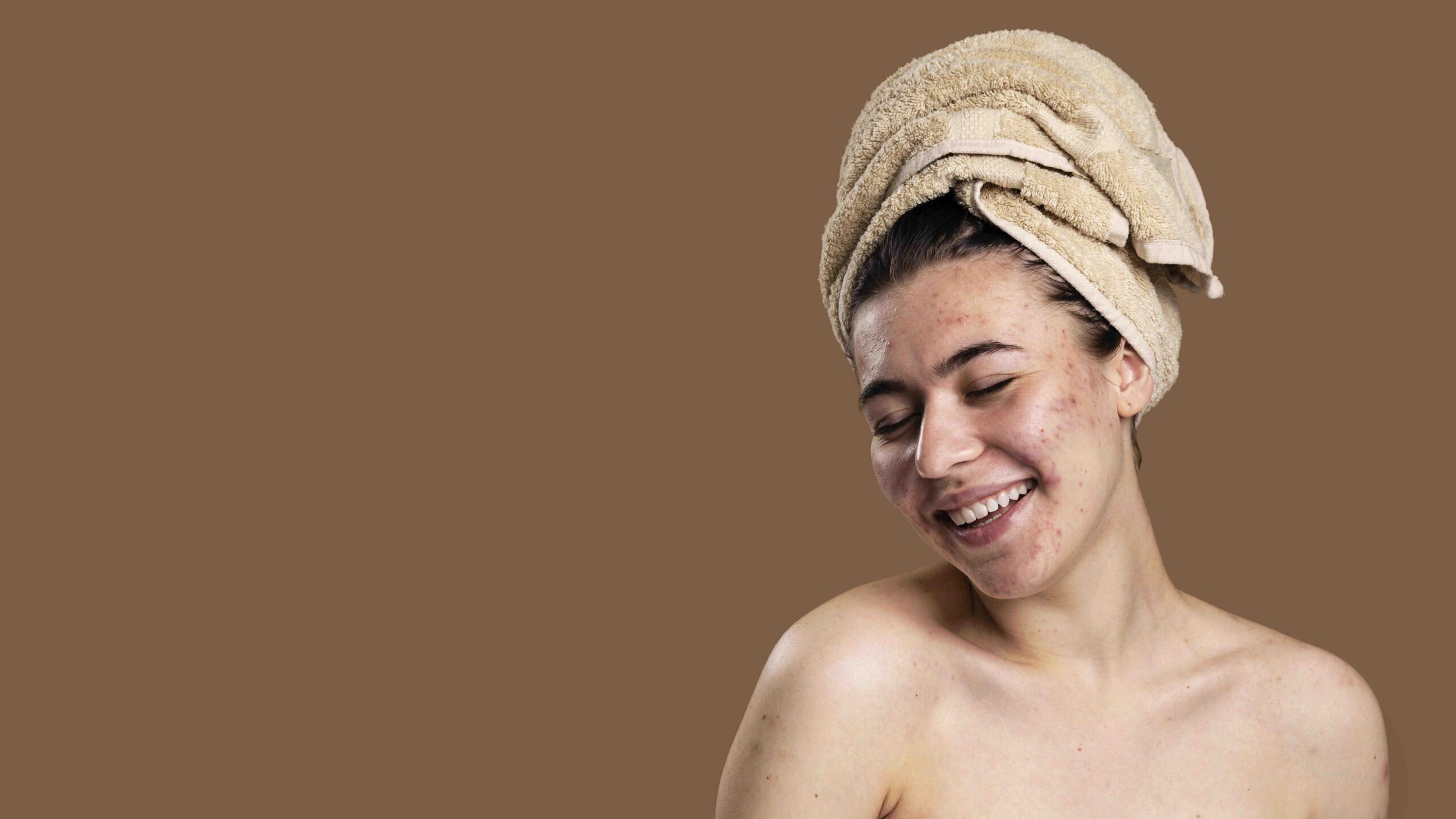
Adult Acne: Why You’re Still Breaking Out In Your 30s
You thought breakouts were just for teenagers, but here you are in your 30s still dealing with blackheads, pimples, or painful cysts. Adult acne is more common than many people realise, especially among women. It may look like teenage acne, but it often has different causes and needs a different approach.
You’re Not Alone
Adult acne affects both men and women, but it’s especially common in women aged 30 to 40. Hormonal changes, stress, and lifestyle habits are key factors. Unlike teenage acne, which often spreads across the entire face, adult acne tends to appear on the lower cheeks, jawline, and chin.
It may be mild or severe and often takes longer to heal. It can also be more persistent, with flare-ups happening regularly instead of just occasionally. Many women experience acne after pregnancy or during times of hormonal change, even if they never had it as teens.
What Causes Acne in Your 30s?
There’s no single cause. Rather, it’s often a combination of things:
Hormonal Changes
Fluctuating hormones are the leading trigger. Breakouts may occur around your period, during pregnancy, after stopping birth control, or around perimenopause. Androgens (male hormones present in all genders) stimulate oil glands, which can clog pores.
Stress
Stress raises cortisol levels, which disrupt hormones and increase oil production, leading to more breakouts.
Skincare and Makeup Products
Using products that are too heavy, oily, or irritating can clog pores. Harsh cleansers can also strip your skin, making acne worse.
Diet
High sugar and dairy intake may trigger inflammation or hormone changes in some people, worsening acne.
Polycystic Ovary Syndrome (PCOS)
PCOS affects hormone balance and may cause acne, irregular periods, and unwanted hair growth. If you notice multiple symptoms, consult your doctor.
Improper Skin Hygiene
Not removing makeup, touching your face often, or not washing after sweating can block pores and lead to breakouts.
What Does Adult Acne Look Like?
You may notice more marks or scarring afterwards, especially on darker skin tones. Acne may take longer to clear in adulthood, so consistency is key. In most cases, adult acne may show up as:
- Whiteheads and blackheads.
- Red, inflamed pimples
- Pus-filled spots.
- Deep, painful cysts.
How to Treat It
Adult acne is treatable. A targeted, consistent routine is more effective than trying every new product.
Start Simple
Use a gentle cleanser, a non-comedogenic moisturiser, and daily SPF. Avoid over-cleansing or harsh scrubs.
Use Active Ingredients
Look for products with:
- Salicylic acid to unclog pores.
- Benzoyl peroxide to fight bacteria.
- Niacinamide to reduce oil and redness.
- Retinoids to speed up cell turnover.
However, if over-the-counter products don’t help after a few weeks, consider medical treatments.
Consider Prescription Options
Hormonal acne may respond well to contraceptives or anti-androgen medication. Topical retinoids, antibiotics, or chemical peels may also be prescribed for more severe or persistent acne. In some cases, a referral to a dermatologist may be needed to explore advanced options like laser therapy or stronger medications such as isotretinoin.
Manage Stress
Mental health affects your skin too. Exercise, deep breathing, journaling, or speaking to a therapist can help reduce stress levels.
Be Patient
Avoid picking or scrubbing, as it can cause scarring and delay healing. Skin takes time to improve, so consistency matters.
When to See a Doctor
Speak to a healthcare provider if your acne is:
- Painful or cystic.
- Leaving dark marks or scars.
- Causing emotional distress.
- Not improving after 6 to 8 weeks of consistent care.
Conclusion
Acne in your 30s can be frustrating, but it’s more common than you think, and it is manageable. With the right skincare, healthy habits, and medical support, clearer skin is possible. Medical Society offers affordable access to doctors and specialist referrals to help you understand and treat adult acne with confidence. Whether it’s hormonal, stress-related, or linked to an underlying condition, you don’t have to face it alone.