
Caffeine And Anxiety: Is Your Coffee Habit Affecting Your Mental Health?
If you're a coffee lover, you'll agree: There's nothing quite like that first freshly brewed cup in the morning. But have you ever wondered whether your daily caffeine fix might be making you anxious? Read on to find out if your coffee habit affects your mental health.
The Connection Between Caffeine and Alertness
Caffeine is a natural stimulant known for helping most people stay awake and alert. That's why it's often used during long study sessions, and when taking lengthy road trips, and, you guessed it, first thing when we wake up in the morning and feel a little groggy.
What Does Caffeine Do?
Caffeine keeps you awake when adenosine, the chemical that makes you feel sleepy, usually takes over. Caffeine binds to adenosine receptors in your brain, preventing the hormone from making you drowsy. As a result, you feel more alert, focused, and ready to tackle the day.
The Connection Between Caffeine and Anxiety
Caffeine doesn't just boost your attention. It also enhances the release of adrenaline - the hormone behind your body's 'fight or flight' response. This flood of adrenaline can increase feelings of stress, make you jittery, heighten your agitation, and, for some, even exacerbate existing anxiety symptoms.
How Much Caffeine Is Too Much?
Caffeine sensitivity varies from person to person and can be impacted by genetics, overall health, and how much caffeine one is used to consuming. Your partner might drink multiple cups of coffee without issue, while you could feel on edge after just one cup. Some people metabolise caffeine quickly, while others are more sensitive and can feel its effects for hours.
Considering the above, the U.S. Food and Drug Administration (FDA) recommends 400 milligrams of caffeine per day as an amount 'not generally associated with negative effects for most adults'. This equates to about two to three cups of coffee, although the exact number of cups depends on the strength and size.
Signs Your Coffee Habit May Be Affecting Your Mental Health
Here are a few signs that your coffee habit might be affecting your mental health:
Increased Feelings of Nervousness or Worry
If you're feeling more anxious than usual - especially after you've had a few cups of coffee - it might be worth considering whether caffeine is contributing to your anxiety.
Changes in Sleep Patterns
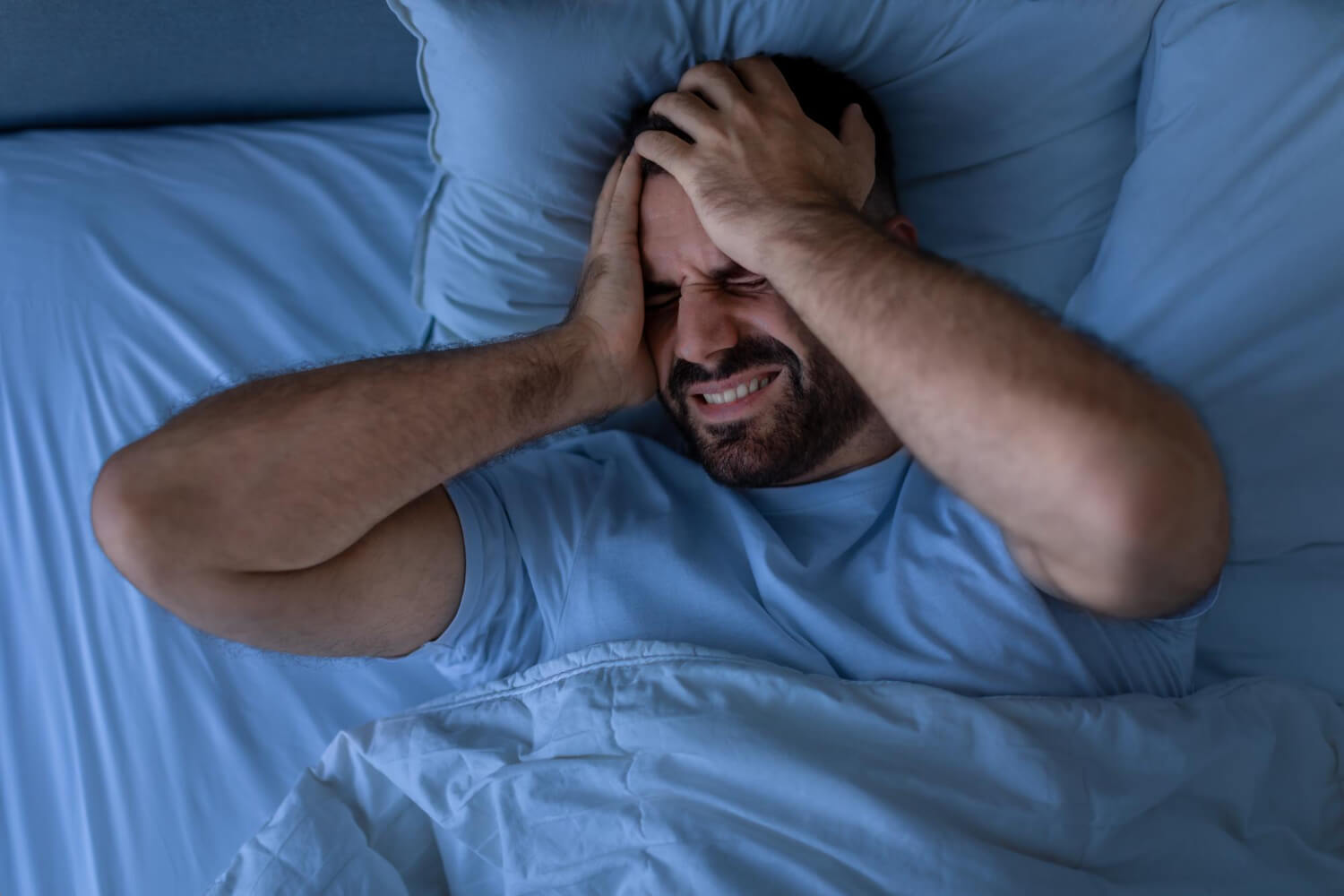
Caffeine is notorious for disrupting sleep. If you're having trouble falling asleep, waking up throughout the night, or feeling groggy even after a whole night's rest, it might be a sign that your body isn't getting the deep, quality sleep it craves.
Impact on Overall Well-being
Beyond sleep and anxiety, excessive caffeine consumption can impact your overall sense of well-being. You may struggle to manage stress or notice changes in your appetite.
Tips for Managing Caffeine Consumption and Anxiety
The good news is that you don't have to give up your favourite coffee to manage your caffeine intake. It's all about finding the right balance for you. Here are a few tips to help:
Delay consuming coffee for at least an hour after you get up in the morning
Your body creates cortisol, a natural energy booster, shortly after awakening, so reserve your coffee breaks for mid-morning or early afternoon when cortisol levels are low.
Stop drinking coffee at least six hours before bedtime
According to research published in the Journal of Clinical Sleep Medicine (2013), caffeine can disrupt sleep when ingested up to six hours before bedtime, lowering sleep by an hour and interfering with sleep efficiency and REM patterns. To protect your sleep, avoid caffeine in the afternoon or evening. Consider switching to decaf or other non-caffeinated beverages if you're sensitive to caffeine.
Practice Relaxation Techniques
Anxiety is more than just a caffeine issue, so it's important to practice relaxation techniques that help calm your mind and body. Mindfulness, deep breathing exercises, and regular physical activity are great ways to keep anxiety in check. Don't forget to carve out time for self-care, whether that's a warm bath, reading a book, or just taking a moment to breathe.
Speak To Your Doctor
If caffeine is just one piece of your anxiety puzzle, speak to your healthcare provider. They may recommend lifestyle changes, therapy or medication if necessary.
Conclusion
While caffeine can be a great way to boost energy and increase focus, it's essential to be mindful of how it affects your mental health. If you're experiencing anxiety after drinking coffee, it's worth considering whether your coffee habit is contributing to your symptoms.
If you’re starting to feel like your caffeine fix might be feeding your anxiety – or are looking for ways to reduce existing anxiety symptoms, Medical Society is here to help you strike a healthier balance. We take a dynamic approach to healthcare, offering reliable services through innovative options like Telehealth, which brings convenient, medical consultations right to our members.