Donated Blood? Here’s When It’s Safe To Resume Exercise And Work
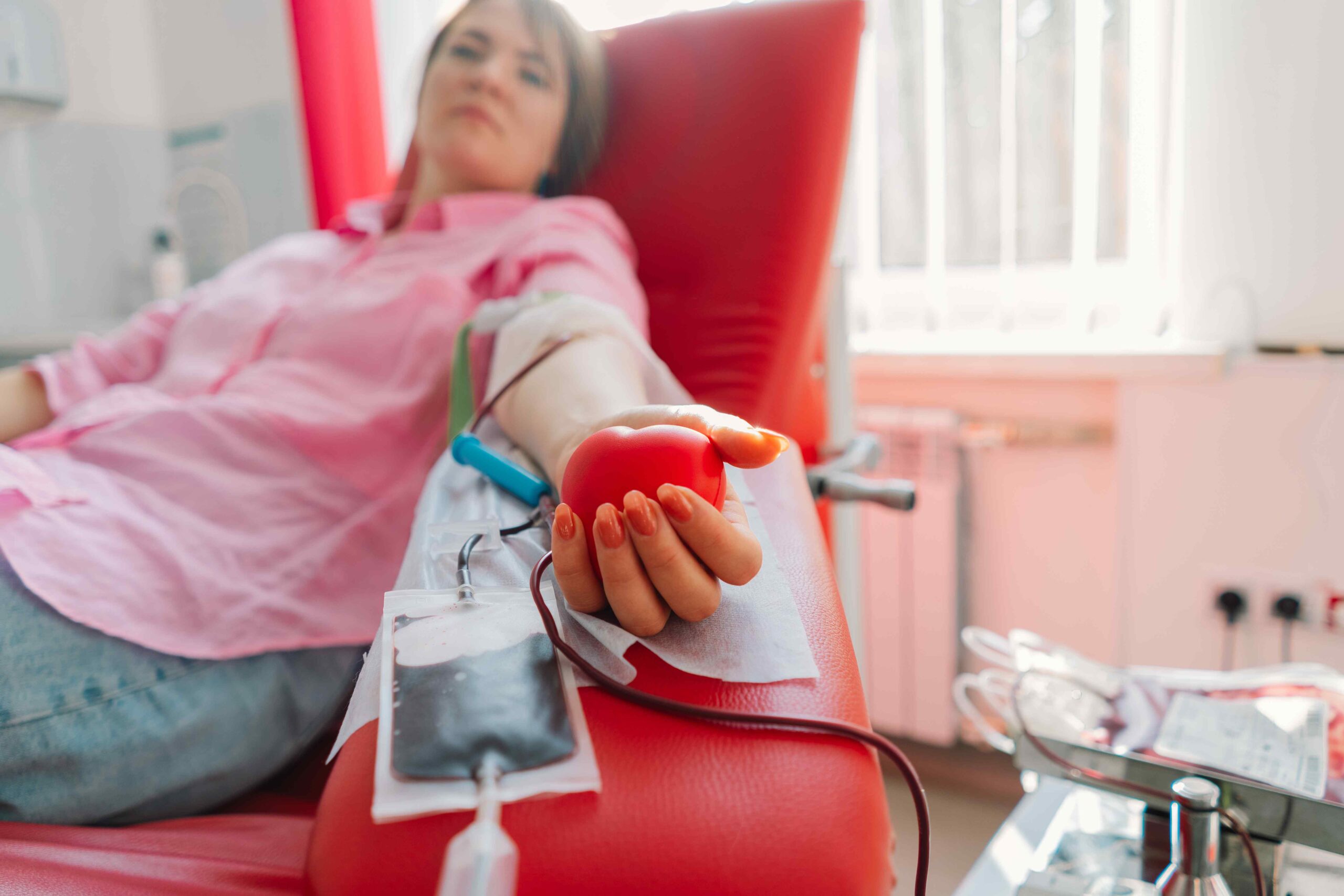
Donating blood is one of the easiest and most impactful ways to save lives. Just one unit of donated blood can help up to three people, including accident victims, cancer patients, and women experiencing complications during childbirth.
June is National Blood Donor Month — a time to celebrate everyday heroes who donate blood and encourage more people to step up. If you’ve recently donated or are considering it, you may be wondering how quickly you can return to your normal routine.
Here’s what you need to know about resuming exercise and work safely after giving blood.
Why Blood Donation Is Important
Despite the urgent need for blood, less than 1% of South Africans donate regularly. Blood stocks often run critically low, especially in winter when donation rates drop, making regular donors vital to the country’s healthcare system.
Donating blood helps others, but taking care of yourself is equally important. Most people recover quickly, but easing back into your routine safely can prevent fatigue, dizziness, or fainting.
When Can You Exercise After Donating Blood?
The average person donates about 480 ml of blood per session. This loss of blood and fluids can cause a drop in energy levels and physical performance for a day or two.
Here’s a safe timeline to follow:
- First 24 hours: Stick to light activity only. Short walks or gentle stretching are fine, but avoid activities that raise your heart rate or put strain on your body.
- After 48 hours: Most people can safely resume moderate to intense physical activities like running, gym workouts, sports, or cycling.
- If you feel faint or weak: Stop immediately, rest, and hydrate. Don’t push yourself — everyone’s recovery time is different.
When Can You Go Back to Work?
Most people can return to work the same day, especially if you have a desk job. After donating, you’ll be asked to rest for 15–30 minutes and have a light snack and fluids to help with recovery.
However, if your job involves physical labour, standing for long hours, or working in hot environments, you may need to take it easy for the rest of the day or request lighter duties.
If your work involves driving, operating heavy machinery, or working at heights, ensure you feel completely alert and stable before resuming these tasks.
Recovery Tips
To support your recovery and avoid any post-donation side effects, follow these simple steps:
- Hydrate well — Drink plenty of water before and after your donation.
- Avoid alcohol and caffeine — These can dehydrate you and slow recovery.
- Eat iron-rich foods — Spinach, lean meats, eggs, and lentils help rebuild red blood cells.
- Don’t skip meals — Eating before and after donation helps maintain stable blood sugar levels.
- Avoid saunas or hot showers — These can lower your blood pressure and increase dizziness.
- Watch for warning signs — If you feel dizzy, nauseous, or experience chest pain, seek medical attention immediately.
Final Thoughts
Donating blood is a powerful way to help others, but your health matters, too. Take time to rest, hydrate, eat well, and ease back into your routine when you feel ready.
With Medical Society’s 24/7 telehealth support, you can get quick medical advice from anywhere, whenever you need it. Whether you’re a first-time donor or a regular one, we’re here to help you stay healthy and informed.