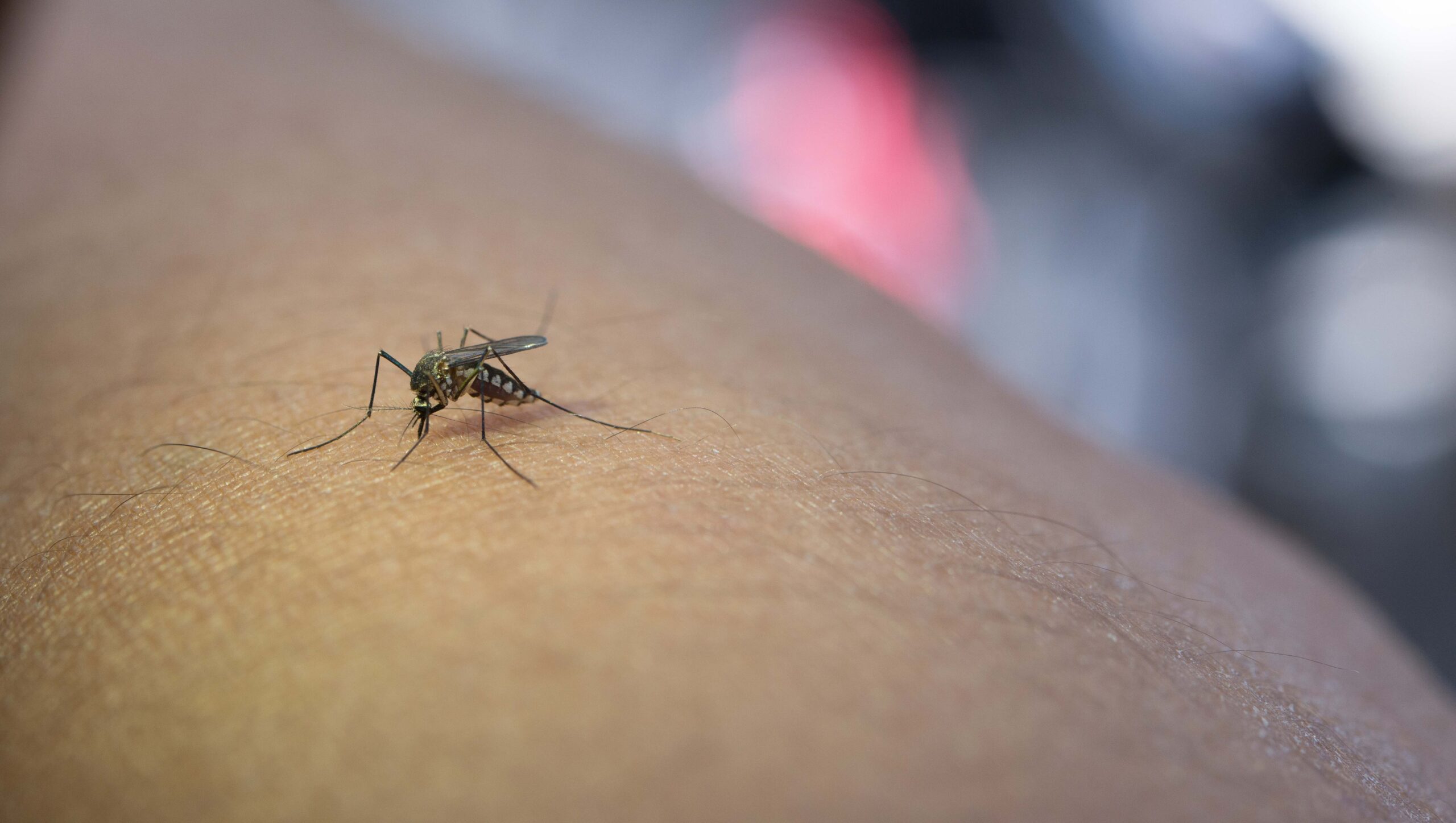
Malaria is more than just a disease spread by mosquitoes—it affects people’s lives in many ways. Every year, millions of people around the world contract malaria. It doesn’t just harm health; it also disrupts daily life, work, and school and can hurt families and communities financially.
With World Malaria Day on April 25, it’s a good time to look at how malaria impacts everyday life and why it’s important to fight this disease globally.
Understanding Malaria: The Basics
Malaria is caused by Plasmodium parasites, which are transmitted through the bite of infected female Anopheles mosquitoes. Once inside the human body, the parasites travel to the liver, where they multiply before invading red blood cells. This leads to symptoms such as:
- High fever.
- Chills and sweats.
- Fatigue.
- Headaches.
- Muscle aches.
- Nausea and vomiting.
In severe cases, malaria can cause organ failure, coma, and even death. The disease is particularly dangerous for young children, pregnant women, and individuals with weakened immune systems.
The Everyday Impact of Malaria
Missed Work and Lost Wages
In areas where malaria is common, getting sick often means missing work. For many who rely on daily wages, it can be hard to put food on the table or pay bills. It doesn’t just affect workers, though, as businesses also lose out when staff can’t come in, which hurts the local economy even more.
Disruptions to Education
Children are more likely to get malaria, and when they do, they miss school for days or even weeks. This can make it harder for them to catch up with their lessons. Even after they start feeling better, they may still be tired and struggle to focus in class.
The Burden on Healthcare Systems
Malaria significantly strains hospitals and clinics, especially in places with fewer resources. When many people get sick at the same time, it can lead to overcrowded clinics, long waiting times, and not enough medication to go around. This means other health problems may receive less attention, and delays in malaria treatment can lead to serious illness or even death.
With Medical Society, members have quick access to doctors, basic medication, and 24/7 health support—helping ease the pressure on public healthcare. Services such as virtual doctor visits and in-clinic consultations make it easier to get help early.
The Economic Toll on Families
Malaria treatment, though sometimes subsidised, can be expensive for families living in poverty. The costs of medication, travel to healthcare facilities, and hospital stays add up, pushing struggling households deeper into financial hardship. Some families may have to choose between medical care and other basic needs such as food and education.
Impact on Mental and Emotional Well-being
The stress of repeated malaria infections can take a toll on mental health. Parents worry about their children’s survival, workers fear losing their jobs, and students struggle to keep up with their studies. Anxiety and depression often accompany the physical burden of the disease, creating a cycle of emotional distress that is rarely discussed.
Fighting Back: How Malaria Prevention Improves Daily Life
Use of Mosquito Nets and Indoor Spraying
Sleeping under insecticide-treated mosquito nets significantly reduces the risk of malaria transmission. Similarly, indoor residual spraying helps eliminate mosquitoes from homes.
Access to Rapid Diagnosis and Treatment
Getting tested and treated for malaria quickly can make all the difference. When malaria is caught early, the right medicine can stop the illness from worsening. That’s why governments and health organisations are working hard to make testing and treatment easier for everyone.
Medical Society makes basic healthcare accessible through conveniently located clinics and affordable services. Our Lite Centres with on-site telehealth help members in remote areas get quality care without the high costs—bringing healthcare closer to those who need it most. Click here to learn more.
Community Awareness and Education
Educating communities about malaria transmission, symptoms, and prevention methods empowers people to take proactive measures. Schools, local health workers, and government initiatives play a vital role in spreading awareness and ensuring people understand the importance of prevention.
Conclusion
Malaria is more than just an illness—it affects every aspect of daily life, from education and employment to mental health and economic stability. However, through prevention, timely treatment, and continued research, we can reduce its impact and move closer to a malaria-free world. This World Malaria Day let’s unite to support global efforts and ensure that malaria no longer disrupts lives and livelihoods.