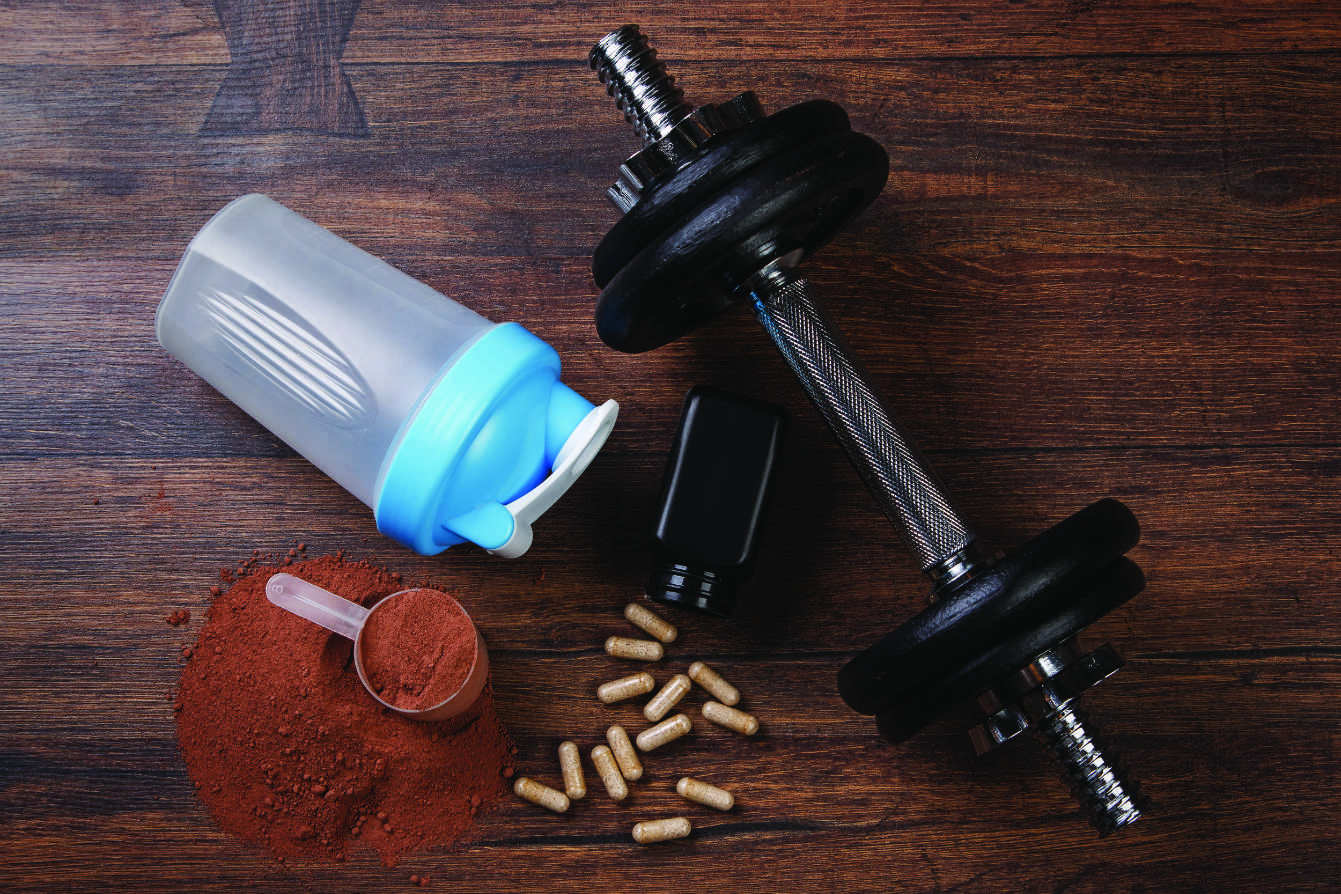
Myth Or Fact? The Truth About Fitness Supplements
Supplements have become a massive industry in the fitness and health world, promising everything from muscle growth to weight loss and enhanced performance. From protein powders to pre-workouts and fat burners, these products are everywhere. But how much of what they claim is accurate, and how much is just clever marketing? Read on to discover the facts and break the myths about fitness supplements.
Myth #1: Supplements Are Necessary for Fitness Success
The Truth: Supplements can be helpful, but you don’t need them to reach your fitness goals. You should focus on eating a balanced diet, staying active, and getting enough rest. According to research, supplements are an extra boost, not a replacement for healthy habits.
For example, if you struggle to meet your protein needs through food alone, a protein shake can fill the gap. However, supplements may not offer additional benefits if your diet already provides enough nutrients. Instead of relying on supplements, focus on eating whole, nutrient-rich foods. Lean meats, fish, eggs, dairy, legumes, fruits, and vegetables should form the foundation of your diet.
Myth #2: Protein Powder Is Essential for Muscle Growth
The Truth: Protein is crucial for muscle repair and growth, but you don’t need a powder to get it. Protein powder is a convenient way to increase protein intake, especially after a workout when your muscles need it most. However, you can meet your protein needs through food alone.
Foods like chicken, fish, tofu, eggs, beans, and Greek yoghurt are excellent protein sources. The average adult needs about 0.8 grams of protein per kilogram of body weight per day, but athletes or those looking to build muscle may require 1.2 to 2 grams per kilogram.
Myth #3: Pre-workout supplements Are a Must for Energy
The Truth: While pre-workouts can boost your energy, they’re not necessary for most people. Pre-workout supplements often contain caffeine, which can improve focus and endurance. They may also include ingredients such as beta-alanine or creatine to enhance performance. However, a coffee or a banana can provide a similar energy boost without the high price tag or potential side effects, such as jitters or digestive issues.
Myth #4: Fat Burners Help You Lose Weight Faster
The Truth: Fat burners are not a magic solution for weight loss. While most fat burners claim to speed up metabolism or burn fat, it’s important to note their effects are often minimal at best. The key to weight loss remains the same: a calorie deficit. This means consuming fewer calories than you burn through daily activities and exercise.
Some fat burners contain ingredients such as caffeine, green tea extract, or L-carnitine, which may slightly impact metabolism. However, these effects are insignificant enough to replace a healthy diet and regular exercise. Worse, some fat burners can cause side effects like increased heart rate, anxiety, or gastrointestinal discomfort.
Myth #5: Creatine Is Unsafe
The Truth: Creatine is among most researched and safe supplements.
Creatine is a natural compound found in foods like red meat and fish. It helps muscles produce energy during intense exercise, making it a popular choice for athletes and weightlifters.
Research suggests creatine is safe for most people when used as directed. It can boost strength, endurance, and muscle recovery. The usual recommended dose is 3–5 grams daily. However, if you have kidney problems, talk to your doctor before using creatine.
Myth #6: All-Natural Supplements Are Always Better
The Truth: “Natural” doesn’t automatically mean safe or better.
The phrase “all-natural” is often used as a marketing tactic, but natural ingredients aren’t always more effective than synthetic ones. For example, synthetic creatine is as effective as the creatine in food. Plus, some natural supplements can cause side effects or interact with medications.
How to Use Supplements Wisely
If you decide to use supplements, here are some tips to do so safely and effectively:
- Assess Your Needs: Identify what your body lacks before adding supplements to your routine. A blood test or consultation with a dietitian can help.
- Start with Basics: Focus on proven supplements like protein powder, creatine, or a multivitamin if needed. Avoid overly hyped products with unproven claims.
- Read Labels: Look for third-party testing and avoid products with unnecessary fillers or proprietary blends that hide ingredient amounts.
- Stay Consistent: Supplements won’t work overnight. Use them consistently as part of a balanced diet and exercise plan.
- Listen to Your Body: Monitor your body’s response to supplements. If you experience any side effects, stop taking them and consult a healthcare professional.
The Bottom Line
Supplements can be helpful, but they’re not essential—true fitness success comes from a healthy diet, regular exercise, and quality sleep. Before buying a supplement, consider whether you need it or if it’s just smart marketing. Stick to the basics, make informed choices, and you’ll reach your goals safely. Click here to learn how to prepare meals for a balanced and nutritious diet! Medical Society provides a healthcare plan with telehealth consultations and access to medical services at centres nationwide.