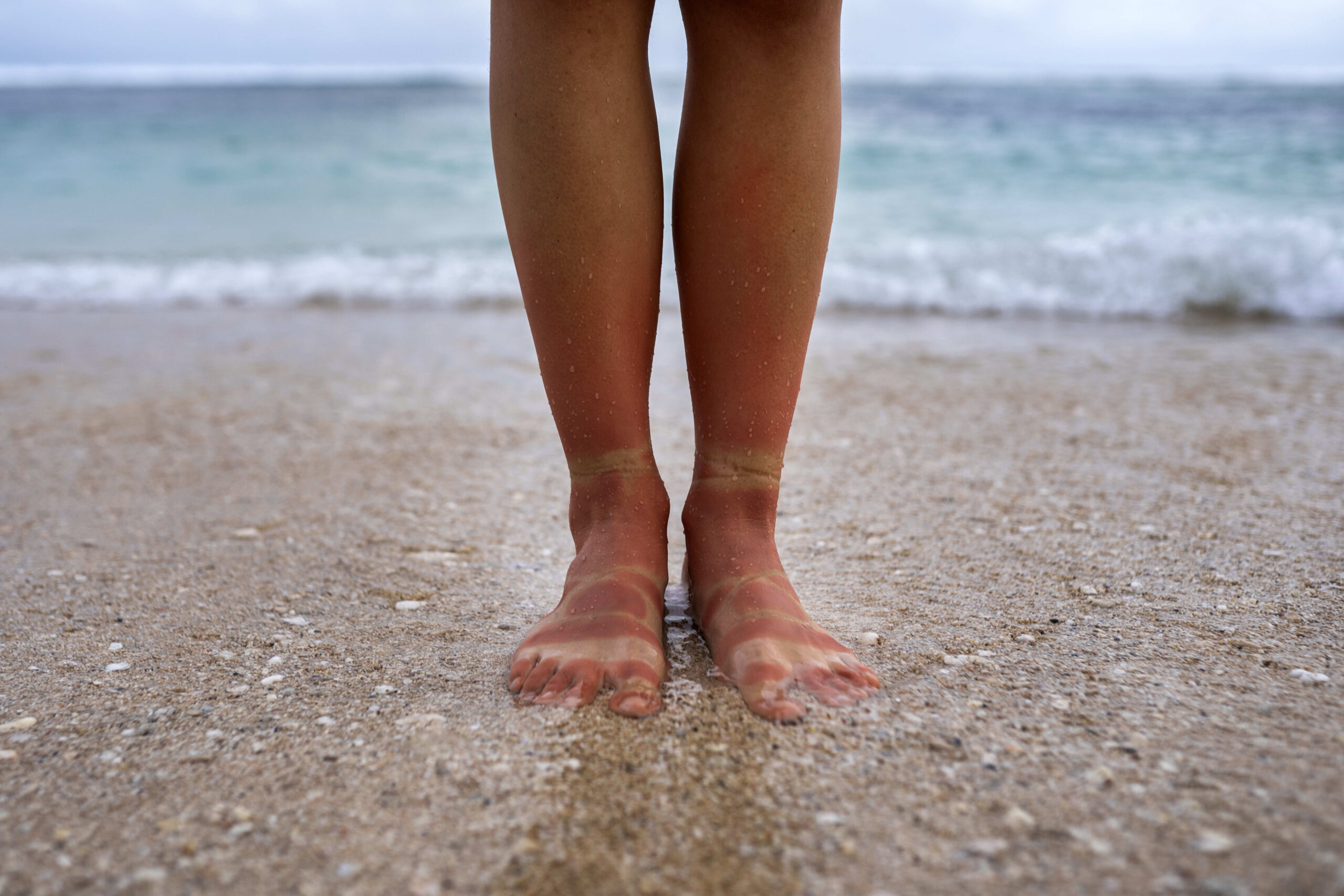
The Truth About Sunburn: What Happens To Your Skin After Too Much Sun
Summer’s here, and long days in the sun feel irresistible, whether you’re at the pool, beach, or a braai. But even a “harmless” tan is a sign of skin damage. This SunSmart Skin Cancer Awareness Month (1 December to 31 January), take time to understand what sunburn really means and how to protect your skin. Read on to discover the truth about sunburn and what happens to your skin after being exposed to too much sun.
What Exactly Is Sunburn?
Sunburn isn’t just a temporary redness or sting; it’s a sign of cellular injury. When ultraviolet (UV) rays from the sun penetrate your skin, they damage the DNA inside your skin cells. Your body’s immune system reacts by increasing blood flow to the area, causing the familiar redness, warmth, and swelling.
The pain, tightness, and peeling that follow are part of your body’s healing process, as it tries to shed damaged cells and make way for new ones. But here’s the worrying part: every sunburn causes lasting damage, even if the redness fades. Over time, this damage builds up, increasing your risk of premature ageing, pigmentation, and most importantly, skin cancer.
The Hidden Damage Beneath the Surface
Sunburn may fade in a few days, but the damage lasts for years. Repeated UV exposure breaks down collagen, causing wrinkles, dark spots, and sagging skin. It also harms your DNA — damaged skin cells can mutate and lead to skin cancer. South Africa has one of the highest skin cancer rates in the world, partly due to our intense sun and outdoor lifestyle. Even one severe sunburn in childhood can double your risk of melanoma, the deadliest form of skin cancer.
Common Myths About Sunburn
“I tan easily, so I don’t need sunscreen.”
False. Even if your skin tans instead of burns, UV rays are still damaging your cells. Tanning is actually your body’s defence mechanism, a sign your skin is under stress.
“Cloudy days don’t count.”
Wrong again. Up to 80% of UV rays can penetrate clouds, allowing burning even on overcast days.
“I only need sunscreen at the beach.”
UV damage happens everywhere, whether walking the dog, sitting near a sunny window, or driving. If your skin is exposed, it’s at risk.
How to Protect Your Skin the Smart Way
- Use a broad-spectrum sunscreen every day
Choose SPF 30 or higher that protects against both UVA and UVB rays. Apply it 15–30 minutes before going outside and reapply every two hours, or sooner if swimming or sweating. - Don’t skimp on quantity
Most adults need about a shot-glassful (roughly two tablespoons) to cover their entire body. Don’t forget your ears, neck, hands, and feet, as they’re often missed. - Cover up
Lightweight, long-sleeved shirts, wide-brimmed hats, and UV-blocking sunglasses provide an extra layer of defence. Some fabrics even have built-in sun protection. - Seek shade
The sun’s rays are strongest between 10 am and 3 pm. If your shadow is shorter than you are, it’s time to find cover. - Soothe your skin after exposure
If you do get sunburnt, act fast: take a cool shower, apply aloe vera gel or fragrance-free moisturiser, and drink plenty of water. Avoid popping blisters or peeling skin off, as this slows healing and increases the risk of infection.
Why Sun Protection Matters
Many people believe darker skin tones don’t burn or need protection, but that’s a dangerous misconception. While melanin provides some natural defence, it doesn’t prevent DNA damage or skin cancer entirely. In fact, because skin cancer is often detected later in people with darker complexions, outcomes can be more severe.
Conclusion
Sunburn isn’t just a summer nuisance; it’s your skin’s warning that it’s under attack. Every burn causes lasting damage that can lead to early ageing and skin cancer. You don’t need to avoid the sun, just be smart about protection. This SunSmart Skin Cancer Awareness Month, remember: healthy skin lasts a lifetime if you care for it. For skin checks or professional advice, visit Medical Society for unlimited telehealth and centre consultations with a nurse practitioner.