In times of stress or trouble, lots of carbs are what the body craves to get through those slumps; but what is the function of carbohydrates?
It’s never fruit or vegetables that sufferers reach for. Instead, they reach for fried starchy foods or sugary baked goods.
This is indulging in comfort eating, where you feel better and energised for a short time and then fall back into a slump once the effect wears off. It often leads to a roller-coaster of eating that may turn into a lifetime of chronic diseases such as diabetes, weight gain, obesity, or high blood pressure.
What Are Carbohydrates?
Carbohydrates come from plants and consist of saccharides or sugar molecules which are made up of hydrogen, oxygen, and carbon. They are either complex or simple carbohydrates.
Carbohydrates are classified into types which include:
- Simple carbohydrates with sugar molecules such are glucose, fructose, sucrose and lactose. Fruits, fruit juices, milk and milk products contain one or more types of sugar molecules.
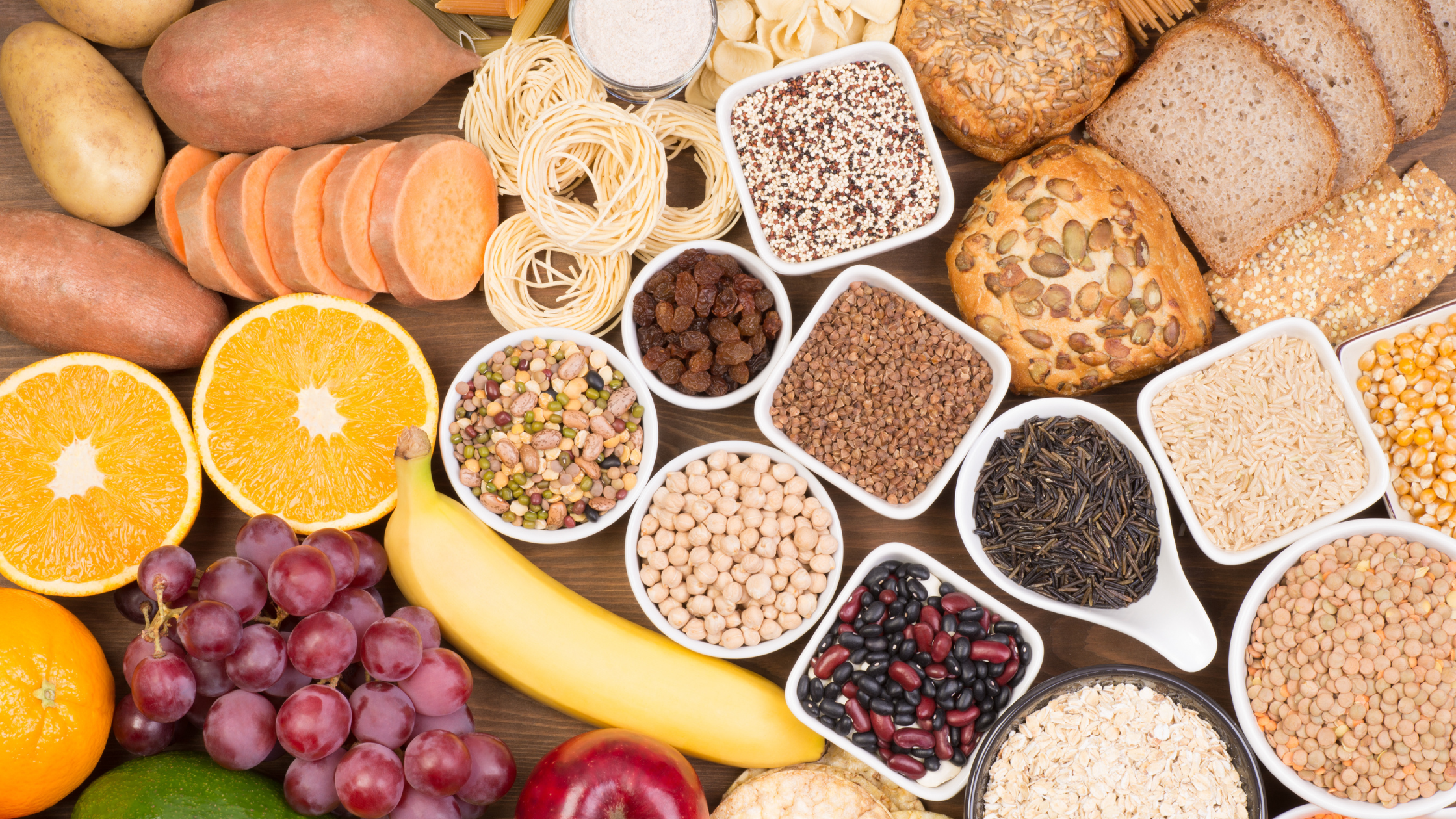
- Complex carbohydrates are made up of fibre, starch and complex chains of sugars such as oligosaccharides, disaccharides, monosaccharides and polysaccharides. Whole grains are found in bread, cereal, pasta, rice, legumes, vegetables, and fruits. Insoluble fibre foods in this group are essential for bulking up stools and ensuring a less-strained transit of waste products through the intestines and colon.
- Refined carbohydrates should be avoided. These are highly processed foods that have been stripped of essential fibre and minerals. Instead, manufactured carbohydrates such as sweeteners and high fructose corn syrup are added to the processed products. These include white bread, processed sugary breakfast cereals, cakes, sweets, and baked goods.
Functions of Carbohydrates
According to MedicalNewsToday, energy can be obtained from proteins and fats, but carbohydrates remain the body’s preferred energy source, as protein is needed for other functions such as building and repairing tissues.
Besides being the main producer and supplier of energy to all cells in the body, carbohydrates are also involved in storing energy, assisting in lipid metabolism, building macromolecules, and sparing protein.
The functions carbohydrates assist with are:
- Energy production: carbohydrates are broken down into glucose which cells such as red blood cells and brain cells prefer using, instead of fatty acid compounds. After glucose is derived during the digestion process, it’s moved through the liver. From here, the hormone insulin assists the glucose to move into the bloodstream where cells capture energy from glucose for use during cellular chemical reactions.
- Energy Storage: excess glucose is stored as glycogen, of which 3000 kilocalories are in muscle tissues and 1000 in the liver. During endurance exercises, glycogen can get depleted. This leads to exhaustion before the chemical conversion of protein or fatty acids kicks in.
- Building Macromolecules: a percentage of the glucose absorbed by the body is not used as energy but is converted to ribose and deoxyribose which forms building blocks of crucial macromolecules – RNA, DNA and ATP. Excess glucose is used to make fat which is usually stored in the liver. That is why experts advise that when it comes to carbohydrates, it should be quality and quantity controlled with good carbs taking precedence over all else.
- Sparing protein: This happens when there isn’t enough glucose in the body. Amino acids which can’t be stored have to be broken down for energy. This chemical process involves the destruction of proteins, mostly in the muscle tissue. Enough glucose in the body that is used for energy prevents the destruction of proteins.
- Lipid Metabolism: Rising levels of glucose in the blood means that there are excess levels of the hormone insulin. This blocks fatty acids from being used to manufacture energy. Enough glucose in the bloodstream prevents the metabolic state of ketosis, which means that the alternative energy source of ketones made from fatty acids is used in cellular function.
The Best Quality Carbohydrates
To keep fuller for longer, complex carbohydrates such as whole grain release energy slowly. Examples of these include brown rice, whole grain bread, vegetables, and legumes. They are also rich in insoluble fibre which is extremely healthy in terms of digestive health.
Complex carbohydrates such as starchy vegetables are a healthier option than any refined carbohydrates. Examples include sweet potato, squash, pumpkin, and beetroot.
What Is Keto, And Why Is It Popular?
Chances are you have heard of the infamous Ketogenic diet, especially now that you’re researching carbs. “Ketogenic” is a term for a low-carb diet (like the Atkins diet). The idea is for you to get more calories from protein and fat and fewer from carbohydrates. Dieters will usually remove the carbs that are easy to digest, like sugar, soda, white bread and the likes. This is meant to allow dieters to lose weight fast.
When you consume less than 50 grams of carbohydrates a day, your body will eventually run out of fuel it can use quickly. This takes 3 to 4 days. You’ll then start to break down protein and fat for energy, which can make you lose weight. This is called being in ‘ketosis’. Remember, the ketogenic diet is a short term diet that’s focussed on weight loss rather than the pursuit of long-term health benefits.
If you remove anything from your diet, or even if you add a new food group in excess, always get guidance from a dietary professional!