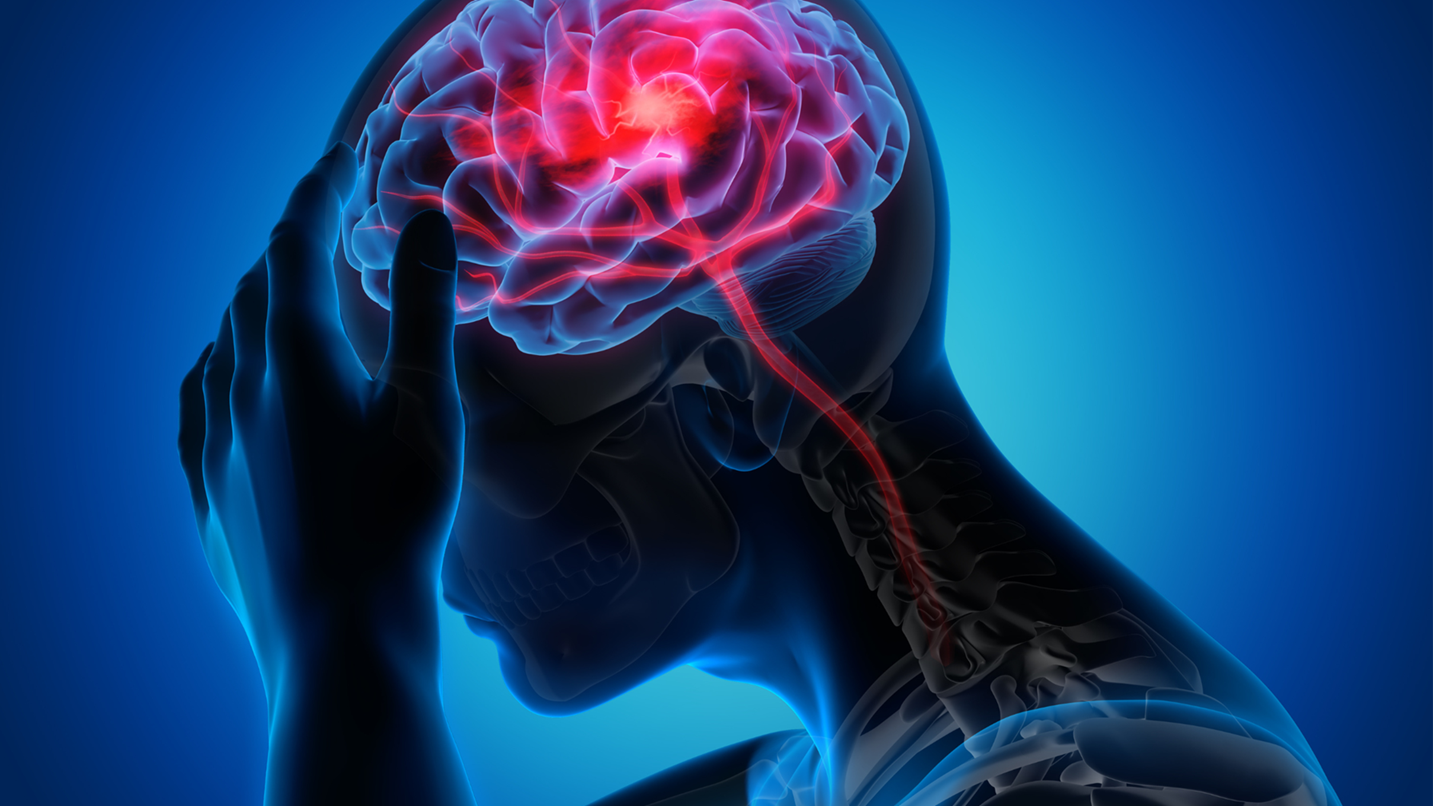
Strokes are a top killer in South Africa, so it’s useful to know the signs you’re about to have a stroke. They often strike the left side of the brain, and for most people, this is the dominant side. It’s the side that controls speech and comprehension skills.
Loss of speech, slurred speech and incomprehension are four primary symptoms of a stroke.
“Stroke is the leading cause of all disability in South Africa, and more than 400 South Africans suffer from a stroke daily,” says Western Cape Minister of Health, Dr Nomafrench Mbombo. “Many survivors are left chronically disabled, and one-third are at risk of having a second stroke within the year. Maintaining a healthy and disciplined lifestyle is the number one preventative measure for stroke”. The damage of a stroke is sometimes irreparable, so it is best to try and prevent the damage to begin with, and spot a stroke as early as possible.
With men more likely to be struck down by a stroke, the Centers for Disease Control and Prevention (CDC) says that 1 in 5 women are likely to get a stroke because:
- Longevity is a risk factor, and women generally outlive men.
- For women, stroke is the third biggest killer. Nearly 60 per cent of those succumbing to a stroke die from it.
- Women usually suffer from high blood pressure, which leads to strokes.
- The risk of stroke is also increased with the use of birth control and falling pregnant.
The symptoms depend on the type of stroke:
- The more common Ischemic stroke results from a blood clot that derails blood flow to the brain. Medication is used to remove the clot. Doctors say you must get the patient to a hospital within 10 minutes after noticing symptoms, as the patient must receive the medication within three to four and a half hours. Otherwise, the patient will need surgery to unblock the arteries or have a mechanical thrombectomy within 24 hours after the first symptoms appear. High cholesterol and high blood pressure are usually the underlying cause of stroke.
- The Haemorrhagic stroke is a result of a rupturing of an artery in your brain, or there is a blood leak from the artery. The underlying cause may be an aneurysm which may need surgery to unblock the blood flow headed to the aneurysm. High blood pressure requires medication to lower stress and reduce bleeding. Other causes may be faulty arteries and ruptured veins, which may need repairs to prevent bleeding.
The FAST Method
According to the National Stroke Association, the quickest way to detect a stroke is using the FAST method, which is:
- FACE: Try to get the person to smile, to see if the face droops on one side;
- ARMS: See if the person can lift their arms, to see if one arm drops downward;
- SPEECH: Get the person to repeat a sentence to see if the speech is slurred; and
- TIME: With any of these signs, call an ambulance and get the person to the hospital as fast as possible—every second counts.
Common Symptoms
The most common symptoms are:
- Extreme tiredness;
- Loss of sensation, numbness or tingling on one side of your body that includes weakness of your face and limbs;
- Nausea and vomiting that comes on suddenly;
- Loss of alertness and sudden dizziness;
- Severe headache that strikes suddenly with an unknown cause;
- Sudden onset of confusion, loss of speech, and inability to understand language;
- Problems with vision, like loss of peripheral vision. This cut-off of the visual field on one side of your eyesight usually happens when the stroke happens at the back of the brain; and
- Unsteady walking or inability to walk and loss of balance and coordination.
Women and Strokes
The symptoms of stroke in women may differ from men. These symptoms are common for other less severe illnesses leading to a delay in seeking emergency assistance, thereby jeopardising recovery.
The symptoms that men usually don’t report are:
- Hiccups and trouble breathing;
- Pain and seizures;
- General weakness and fainting;
- Vomiting and nausea;
- Breathing difficulties; and
- Loss of consciousness.
There are also instances of altered mental status, such as odd behaviour that 23% of women report over 15% of men.
These are also known as non-traditional symptoms and include:
- Behaviour change that occurs suddenly;
- Disorientation, confusion and agitation;
- Blanked-out states and unresponsiveness;
- Strained expression; and
- Hallucination.
According to Healthline, these little-known symptoms may cause irreparable damage when it comes to treatment and slower recovery for women after their strokes. This situation is often exacerbated when sufferers have lower pre-stroke activity and depressive symptoms.
During their slower recovery, women are also prone to experience: depression, fatigue, mental impairment, minimised quality of life and daily living activities and stroke-related disability.
The Stats
Of the 35 730 stroke cases in SA last year, 22 183 were diabetic patients. says BMC.
Get a Primary Healthcare plan that covers a range of convenient Telephonic Consultations with a Nurse, Doctor or Mental Health Professional and a variety of Nurse-led services at our strategically located medical centres nationwide.
Call us now: 0861 11 10 58