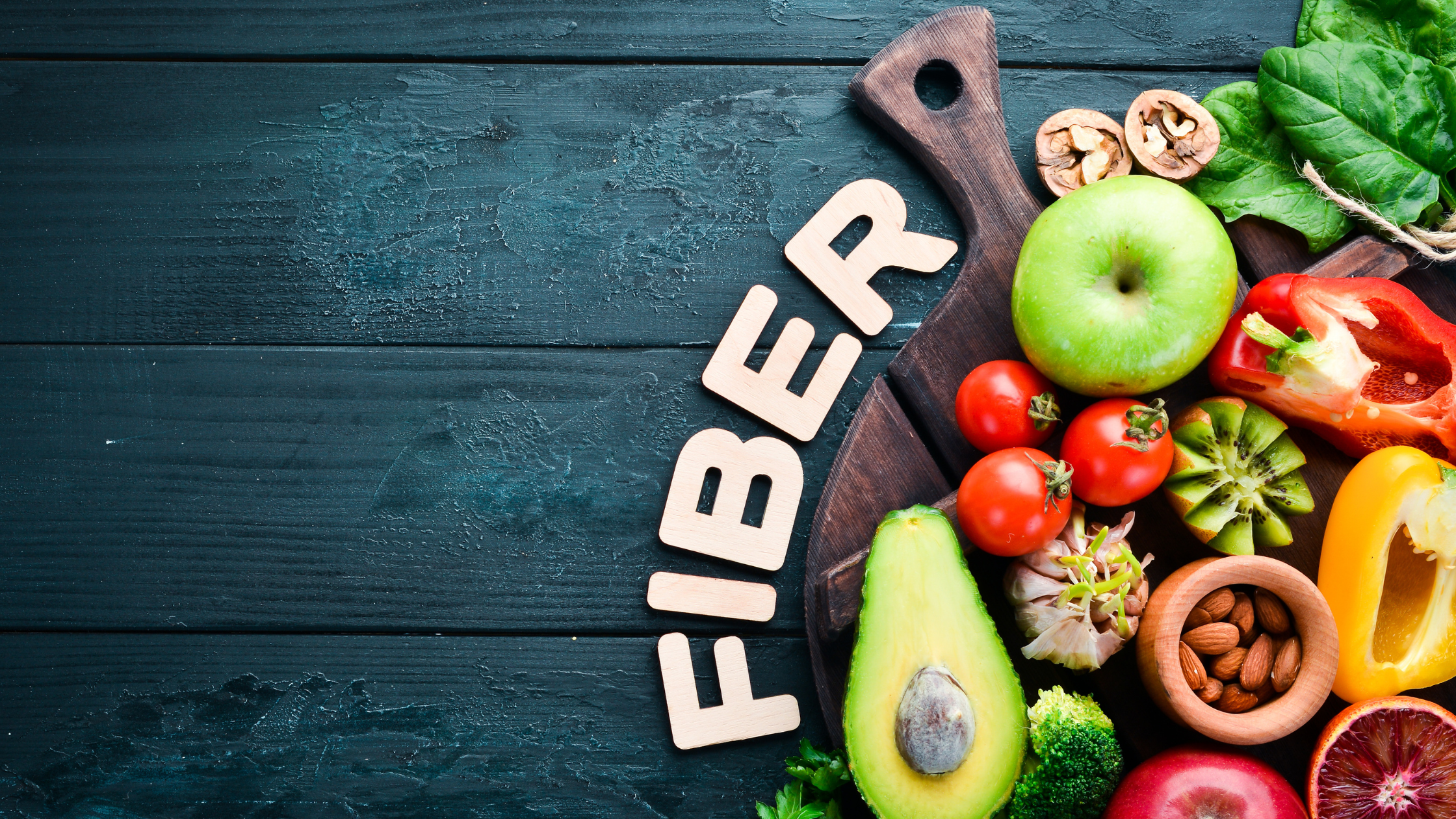
Are you wondering about some reasons to add more fibre to your diet? If your gut is not tip-top and you stay clogged up and in pain with no bowel movement in sight, you know what it feels like to be entirely out of sorts.
You know you need to add fibre to your diet, but you may fear doing so in case of exacerbating the issues with either chronic constipation or diarrhea and cramps. The trick to adding more fibre to your diet is to go slowly. The more fibre you add, the stronger the good bacteria in your gut microbiome becomes.
A diverse microbiome keeps your digestive system on the move and functioning at the optimal level for moving nutrients to where needed and moving waste through the gut.
The Fibre
Fibre is a complex carbohydrate consisting of long chains of sugar molecules. However, unlike most types of carbohydrates, fibre is incapable of being broken down, digested and absorbed in the small intestine for generating energy.
Fibre is thus a powerhouse that remains intact and pushes through the bowels and out of the system, driving toxic waste and blockages out.
According to the Cleveland Clinic, fibre consists of the following:
- Fibre cannot be broken down or digested. It is strictly plant-based and is the structural parts from fruits, vegetables and grains. Animal-derived foods such as meat, eggs and dairy products do not contain fibre.
- Soluble fibre such as the soft parts of apples and pears, dried beans, lentils, peas, oats, barley, bananas and potatoes dissolve in water. Transformed into a gel, the food makes you feel full for longer, the passage of the food from the stomach to the intestine slows down, and during the process, stools soften and are easier to pass through. It is a prebiotic that assists the good bacteria in the gut microbiome. In its fermented state, health-promoting compounds such as propionate – a short–chain fatty acid, are produced. The benefit is cholesterol lowering, anti-cancer and anti-inflammatory outcomes.
- Also known as roughage, insoluble fibre is the coarser outer layers of seeds, grains, fruits and vegetables and does not dissolve in water but absorbs it instead. Softer, bulkier stools form that keep bowel movements regular. Not only does insoluble fibre keep your digestive system functioning correctly, but it also plays an essential role in preventing and treating constipation, diverticulitis and irritable bowel syndrome (IBS), among other benefits. The best sources are whole grains, unpeeled fruit, vegetables, breakfast cereals, nuts and seeds.
Quantity
Adding fibre to your diet is relatively inexpensive and easy. The best quality fibre comes from unprocessed wholefoods such as fruit and vegetables. Some great options include:
- Potatoes,
- Sweet potatoes,
- Carrots,
- Sweetcorn,
- Beetroot,
- Broccoli,
- Apples,
- Bananas,
- Oranges, and
- Strawberries.
In addition, you can use grains and pulses to bulk up stews, soups, and pasta dishes. Lentils and chickpeas are great affordable options.
With a minimum of five portions of high-fibre foods, you can quickly meet the 28-34 grams of fibre intake a day.
The more fibre you consume from a wide variety of whole foods, the more you will grow a fully functional and diverse gut microbiome. With that, compounds form that will reduce uncomfortable bloating and inflammation in the gut.
If you’re going to be getting your fibre in through foods like seeds, it’s best to start with small quantities. Chia seeds, for example, can be introduced one teaspoon at a time. You can slowly increase this amount over time.
The Health Benefits
Increasing your fibre intake can help with healthy weight loss and weight management. This is because fibre-rich foods fill you up faster and keep you satiated for longer.
With fewer calories for the same quantity of food as a meat dish, nutrient-dense fibre reduces cravings and overeating.
Other benefits include:
- Lowering the risk of type 2 diabetes;
- Helping maintain hormonal balance;
- Lowering the risk of heart disease;
- Strengthening the gut lining and promoting healthier bowel movement;
- Reducing the risk of certain cancers; and
- Building stronger bones.
By consuming more fibre, you are incorporating a natural detox into your diet and promoting longevity.
Fibre For A Healthier You
Adding fibre-rich foods is a top priority if you want a healthier lifestyle. These are the recommended foods you should consider choosing to eat daily:
- Two to three servings of leafy greens such as spinach and broccoli;
- Avocados, olive oil, almonds and walnuts in moderation;
- Two to three servings of legumes such as beans;
- Five servings of whole wheat bread, oats, brown rice, and barley;
- Three to four servings of fruit; and
- Plenty of fresh vegetables.
Be careful of adding anything to your diet in excess, especially without medical supervision. Medical Society has nutritionists on board to assess your dietary needs and guide you to a better, healthier lifestyle.