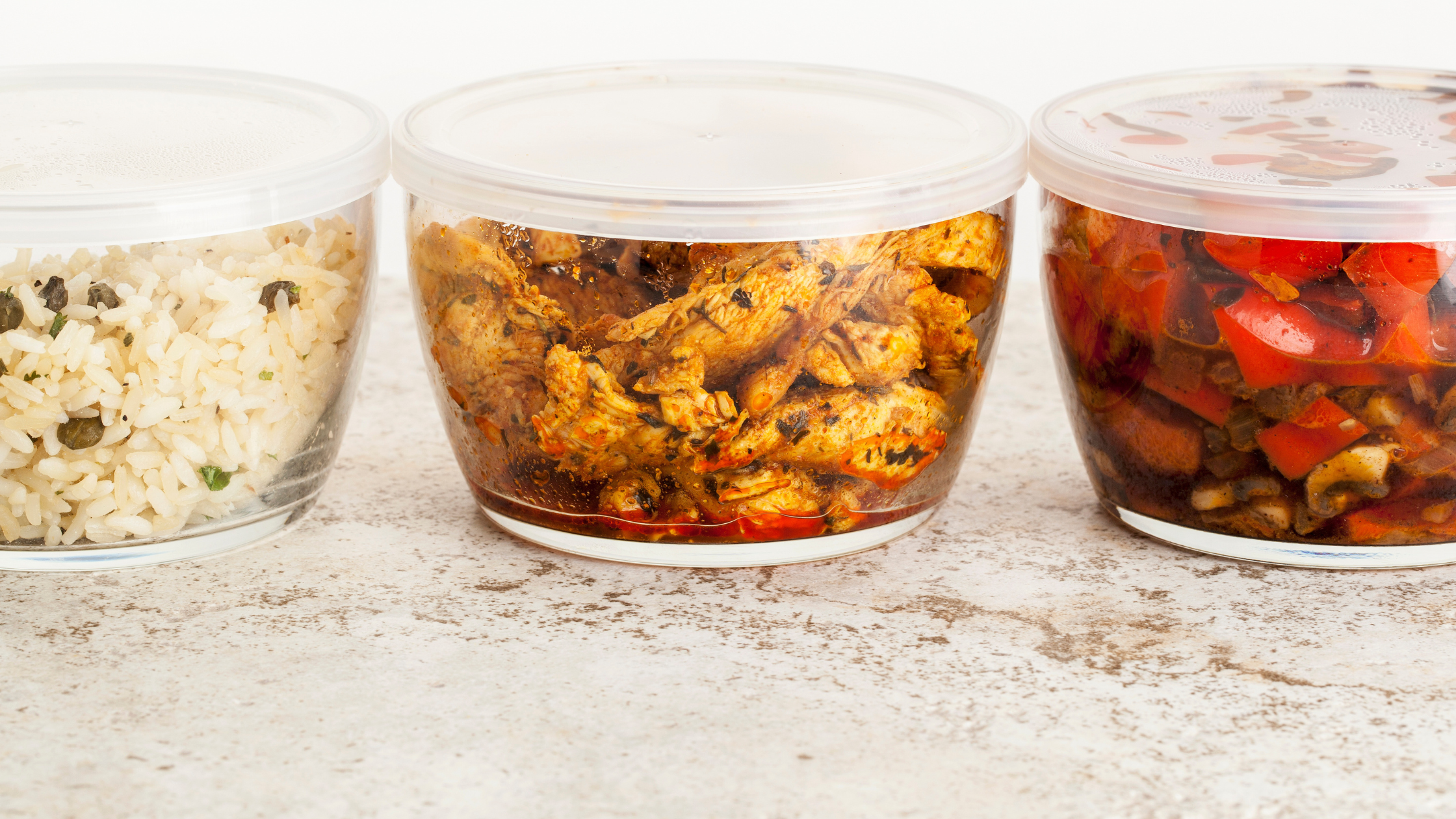
Meal prep isn’t just a trend, but it can really assist with adding healthy meals to your routine, and save you the effort of cooking every day.
Cleveland Clinic says healthy eaters swear by meal prepping because it saves time and keeps your diet on track. Many think of meal prepping as bland chicken breasts, rice and green bean portions placed into containers. There is so much more to it!
The beauty of meal prepping is creating your formula to fit your schedule and lifestyle. It also helps you become more efficient in your kitchen.
Besides saving time, meal planning and prepping can add value to your wellness by improving your diet quality or helping you to reach a specific health goal. And done correctly, you can save money.
You can calculate your exact meal budget for the week.
Here is a beginner’s guide on making meal prepping a habit and ensuring that your food remains fresh and nutritious.
Storage ideas
Before you decide what your meal prep options are, you should consider how you will keep everything fresh and in order. Use containers that are good quality, airtight, microwave friendly, and safe to go into a dishwasher. High-quality containers are a long term investment. Spend a little extra money on a good set of containers.
There are a variety of sizes. Most miniature containers are especially beneficial to store a sauce that goes with your meal or a salad dressing. Keeping your dressing separately means that you’ll never have to worry about a soggy salad.
Meal prep food options
The food you choose to meal prep with must hold up in storage and remain palatable after being in the fridge or freezer for a few days. Cooked meat, roasted vegetable, soups, sauces, nuts and raw vegetables are good bases to begin your meal prepping recipes with.
Not everything works when meal prep, such as soft vegetables, cut fruit and crunchy foods that will soften in your fridge. Meal prep beginners should consider their reheating process. Do you only have access to a microwave when it’s time to eat? Are there other reheating options, such as a stovetop or oven? The recipes you choose can either be enjoyed hot or cold and shouldn’t damage any fats or proteins in your food.
Choose meals that you enjoy as a leftover or can be cooked easily. You can expand from this ‘beginners guide’ and pair different foods or try more complex recipes. At the start, keep it simple as it may lead to food wastage.
Recipe choices
- The recipes that you pick must be well-rounded, including vegetables, lean proteins and whole grains.
- Avoid recipes with excessive amounts of fat, sugar and salt. You can find substitutes for these recipes or reduce the amount of salt, sugar or oil.
- The starting meals can be simple and easy to prepare with minimal ingredients. Don’t overwhelm yourself with complicated recipes.
- Your ingredients can be a variety of colours and textures. The different texture entertains your palette, while the different colours add beneficial micronutrients to your body.
- The ingredient you decide on can be reusable, such as chicken which can be served differently every day.
- You are allowed to look for recipes that can be made in a slow or pressure cooker. This saves you even more time.
- Try not to make the same meals two weeks in a row. You don’t want your favourite dish to become boring!
Meal prep schedule
It will be more than enough time if you dedicate one or two days a week to prep meals. While prepping, you can multitask by using your oven and stovetop to cook more at once.
You cut down on time by roasting big batches of food on a sheet pan. And Instant Pot of Air Fryer can come in handy too.
Your meal prep schedule times depend on what is best for you. Some people prefer Sundays, but others prefer to cook during the week. There is no rule. The best time to meal prep is when you have the time.
Ready, set and go!
Meal prepping can be fun. It is important to make your time in the kitchen enjoyable. You can play music, listen to a podcast or invite a family member or friend over.
When your food is made, cooled down and placed into airtight containers, your meals can last for up to three to four days in the fridge.
It is possible to overcook and be more than you can eat in a week. If this happens to you, but the remaining meals into the freezer. It may become a quick option to pull out in a week or two when you don’t feel like cooking.
Experts recommend keeping frozen berries and frozen vegetables on hand. The vegetables are usually pre-washed and chopped up, making them easy to microwave.
Remember, there’s no right or wrong when meal prepping. It isn’t about being perfect, but doing something that suits you.
See a professional
Medical Society cares about proper health and nutrition for both adults and children. You and your family can access affordable cover for high-quality primary healthcare and more. Call 0861 11 10 58 for more info.