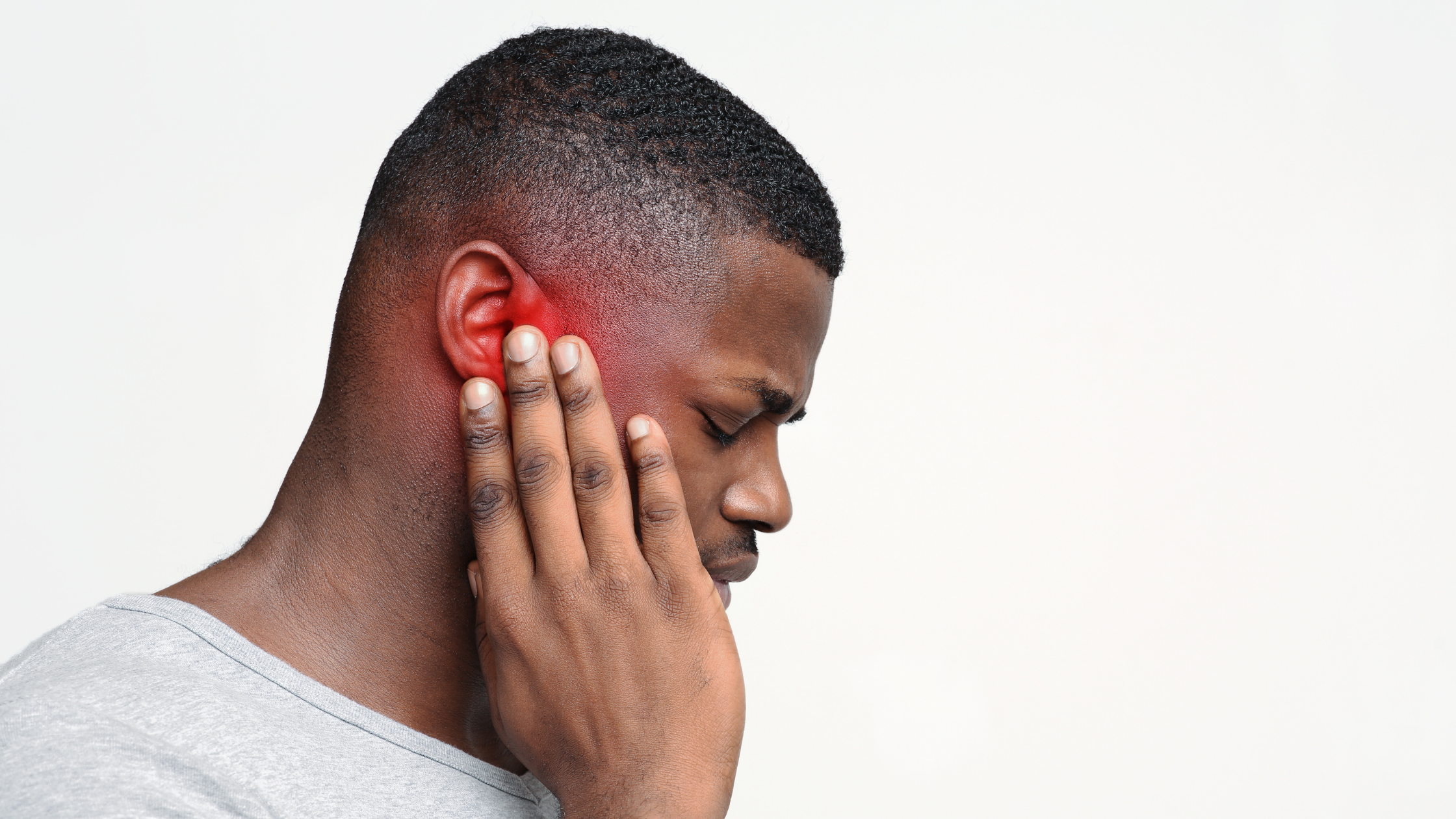
Children are prone to earache in one or both ears, way more than adults. Earache is either a dull, sharp or burning pain that is constant or which comes and goes.
When you see your toddlers rub or tug their ears and are irritable and fussy, they may have an ear infection which usually comes with fever and temporary hearing loss – sounds go at them as if their heads are wrapped in cotton wool. This causes much distress for the little ones.
According to Healthline, earache can result from infection, an irritant or injury.
These symptoms may include impaired hearing, fluid draining from the ear and ear pain for adults.
According to the NHS.UK, depending on the cause of the earache, children usually present with the following signs:
- They rub or pull their ear
- Don’t react to any sounds
- They cry a lot and are restless or irritable
- Have a fever with a temperature of 38 degrees C or higher
- Can’t eat or sleep
- Stumble about and lose their balance
- Complain of having a headache or that their ears feel full.
Most earaches are due to infection for children, which should clear up after a few days. You can ask your doc for antibiotics.
What causes earaches?
Besides infections in the outer, inner or middle ear, pain may sometimes shoot up to the ear from the jawline, sinuses or a tooth abscess.
The most common types of ear infection are:
- Otitis externa: outer ear infection that’s located in the ear canal. This infection includes the extremely painful swimmers ear where water gets into the ear canal and manifests in a swollen ear canal or pus drainage. Poking around in your ear with cotton earbuds or your finger and wearing hearing aids or headphones can also lead to this infection.
- Ear canal skin infection: scratched skin or irritation can lead to infection when water gets into the canal softens the skin, thereby creating a breeding nest for bacteria.
- Otitis media: middle ear infection – located right behind the eardrum – is usually fall-out from respiratory tract infection. Fluid build-up from the infection leads to an overgrowth of bacteria. This painful infection is common among feverish children who can’t hear. You won’t see any signs of drainage or swelling. All blockages and discomfort remain within that central location.
- Labyrinthitis: is a disorder of the inner ear and is usually due to respiratory illness that grows into viral or bacterial infections.
Other causes
Other causes of earache include wax build-up; foreign objects in the ear; strep throat; sinus infection; shampoo or water trapped in the ear; drop in cabin pressure when on a flight; perforated eardrum; arthritis of the jaws; rotten teeth; eczema in the ear canal or trigeminal neuralgia which is chronic facial nerve pain.
With temporomandibular joint (TMJ) syndrome, the pain in the ear is a result of the ear canal and the jaw sharing a nerve. Other discomforts may include difficulty chewing, talking or yawning.
You’ll need to see a TMJ specialist or your dentist for treatment, but until then, you can relieve pain with over-the-counter painkillers and hot or cold compresses, says the Cleveland Clinic.
Treatments
Usually, symptoms clear within three days if you use home remedies such as towel wrapped hot or ice compress. You need to guard against getting burnt either by ice or heat packs placed on the affected area.
If you see your doctor, you’ll typically be prescribed a course of oral antibiotics and eardrops to bring down the inflammation. Even though the symptoms may clear, it’s best to complete the entire prescribed treatment,
Wax build-up may be cleared with wax softening drops which causes the wax to pop out, relieving pressure build-up and discomfort. Or a healthcare provider may flush out the wax using a method known as ear lavage.
As recommended by your pharmacist, over-the-counter painkillers and eardrops will help relieve pain, fever, and pressure from infection and inflammation. These work for both adults and children.
Other remedies include: sitting upright to relieve pressure; avoiding getting your ear wet; for adults and older children chewing gum to alleviate pressure or a change in your sleep position by propping up on two cushions and lying on the opposite side to the affected ear as this lessens pressure and pain. With babies, you have to feed them to relieve their pressure build-up (swallowing does the trick).
Seeing your doctor
When the home remedies and over-the-counter medication aren’t working within a day or two, that could be an indication of something far worse.
You should be vigilant and watch for the following signs whenever you have an earache. At the first sign of these, call your doctor immediately:
- Blood or pus is dripping out of your ear
- High fever, a bad headache and dizziness don’t disappear within a day or two.
- You’re convinced there’s an object stuck in your ear
- Your severe pain suddenly stops. This could be a ruptured eardrum
- There’s swelling behind your ear, and your face feels weak, or the muscles won’t move on the affected side.
The Medical Society
Medical Society covers you and your family with affordable telephonic and in-person primary healthcare consultations.
From only R149 per month, members get unlimited nurse room visits and dietary advice from professionals.
Adults also receive chronic illness monitoring, lifestyle advice, and prevention for high blood pressure and diabetes conditions.
Treatment for minor injuries such as sprains, cuts, bruises and burns is also available.