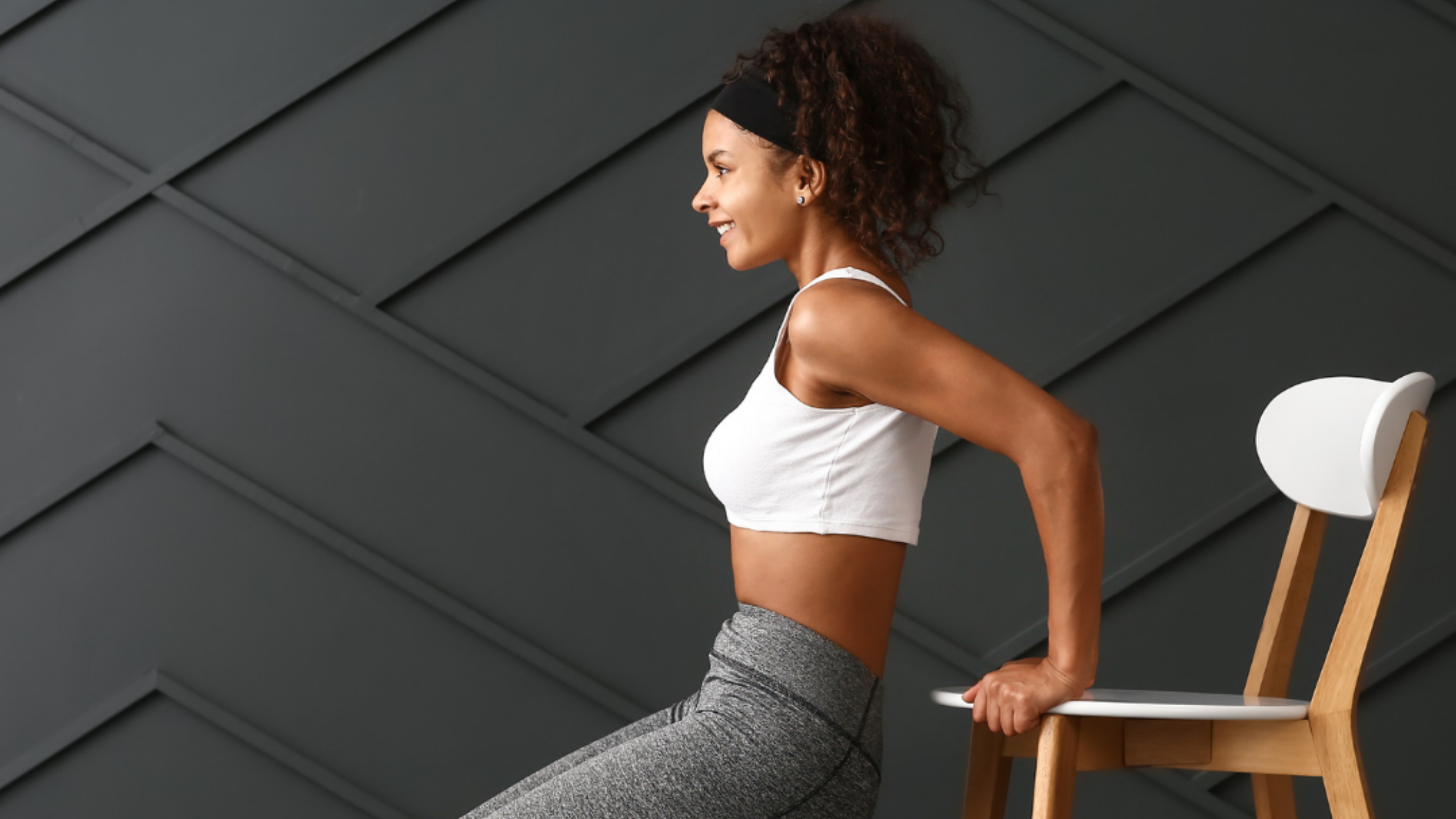
As a beginner in strength training, picking up and putting down heavy things may seem physically draining. You have to learn how to squat and know whether your weight is too light, too heavy, or perfect for you.
However, your intimidation towards basic strength training may disappear when you realise the benefits. It includes a variety of exercises, such as fundamental movements used in your daily activity to advanced power-lifting moves.
The more you do it, the more manageable it becomes and the stronger you get.
According to Self, strength training isn’t you being thrown into the weight room alone without knowing what to do. Instead, it is a gradual and satisfying process.
Beginner strength training helps your body keep functional and healthy long term. Once you get the hang of strength training, you can also gauge the safety concerns, plus potentially confusing equipment and its use.
The basics of strength training don’t have to be daunting. Here are some tips to start and how to create a routine that achieves your personal goal.
Find out your body weight.
Your body weight counts in weight training. A strength training expert says strength training means using resistance to create work for your muscles.
Before using external weights, such as dumbbells and barbells, beginners first rely on their body weight. Believe it or not, bodyweight exercises provide effective strength training workouts.
You become familiar with main movement patterns, such as a hip hinge (pushing your hips and butt backwards with a neutral spine and slightly bent knees). The same applies to using a squat rack. Before using that external weight, you have to be confident with your bodyweight squats first.
Warm up properly and focus on your form.
Warm muscles are less likely to injure. Five to 10 minutes of cardio or warm-up sets in your workout can do the trick. If you add weight in your warm-up, make sure to use a light and easy-lift-weight.
Good form results in avoiding injuries and reaping the benefits of your workout. Proper form includes standing tall with your chest lifted and your abs held tight. Remember to breathe and move slowly while you pay attention to your posture.
Many people tend to hold their breath during exertion. However, exhaling when you are doing the most challenging part of your exercise stimulates movement.
Buy some equipment
Weights are added to your training plan once you have grown past the bodyweight exercises. The pandemic made finding online at-home fitness equipment tough, but the stock is slowly returning.
Dumbbells are known as the most user-friendly weight option for beginners compared to kettlebells or barbells. There are three ideal sets of dumbbells to purchase – light, moderate and heavy.
You can also invest in an adjustable set of weights – a real space saver and a good investment if you eventually want to use heavier weights. Mini bands, looped resistance bands, sliders or suspension trainers are classified as non-weight equipment. It is a good mix up for your workout.
Sets, reps and weights
Although confusing, choosing your reps and sets is part of strength training. The number of reps and sets you choose to do depends on your goals.
If you want to lose body fat and build muscle, use weights that challenge you to complete eight to 12 repetitions in one to three sets. Take 30 seconds to a minute to rest between sets and one day between workout sessions.
Muscle gain results from using enough weight to complete four to eight repetitions in 3 or more sets. Beginners in strength training take weeks of conditioning before reaching challenging workout sessions. A spotter can assist in exercises for muscle gain.
Muscle and muscular endurance using enough weight to complete 12 to 16 repetitions in one to three sets. It is essential to rest for 20 to 30 seconds between each set and have one day off between workout sessions.
Post-workout stretch
Once you have your training procedure down to the tee, try to fit in time to stretch. Stretch your muscles while they are warm because it helps your flexibility. It is also a good feeling after pushing your body hard.
A cool-down session between five to 10 minutes is suitable. It can include dynamic stretches or some sort of movement. Stretching increases blood flow to your muscles, and that leads to recovery. A massage gun is also helpful for post-workout stretching and recovery.
Benefits.
Strength training helps to lower cholesterol, increase muscle mass and improve body composition. Your posture is likely to improve as you train and increase your bone density and make your sleeping pattern so much better.
As much as strength training gets your heart pumping, it makes you more mindful and leaves the heaviness of stress behind you.
Medical Society
Get a Primary Healthcare plan that covers a range of convenient Telehealth benefits AND a variety of nurse-led services at our strategically located medical centres nationwide.
Call us now: 0861 11 10 58