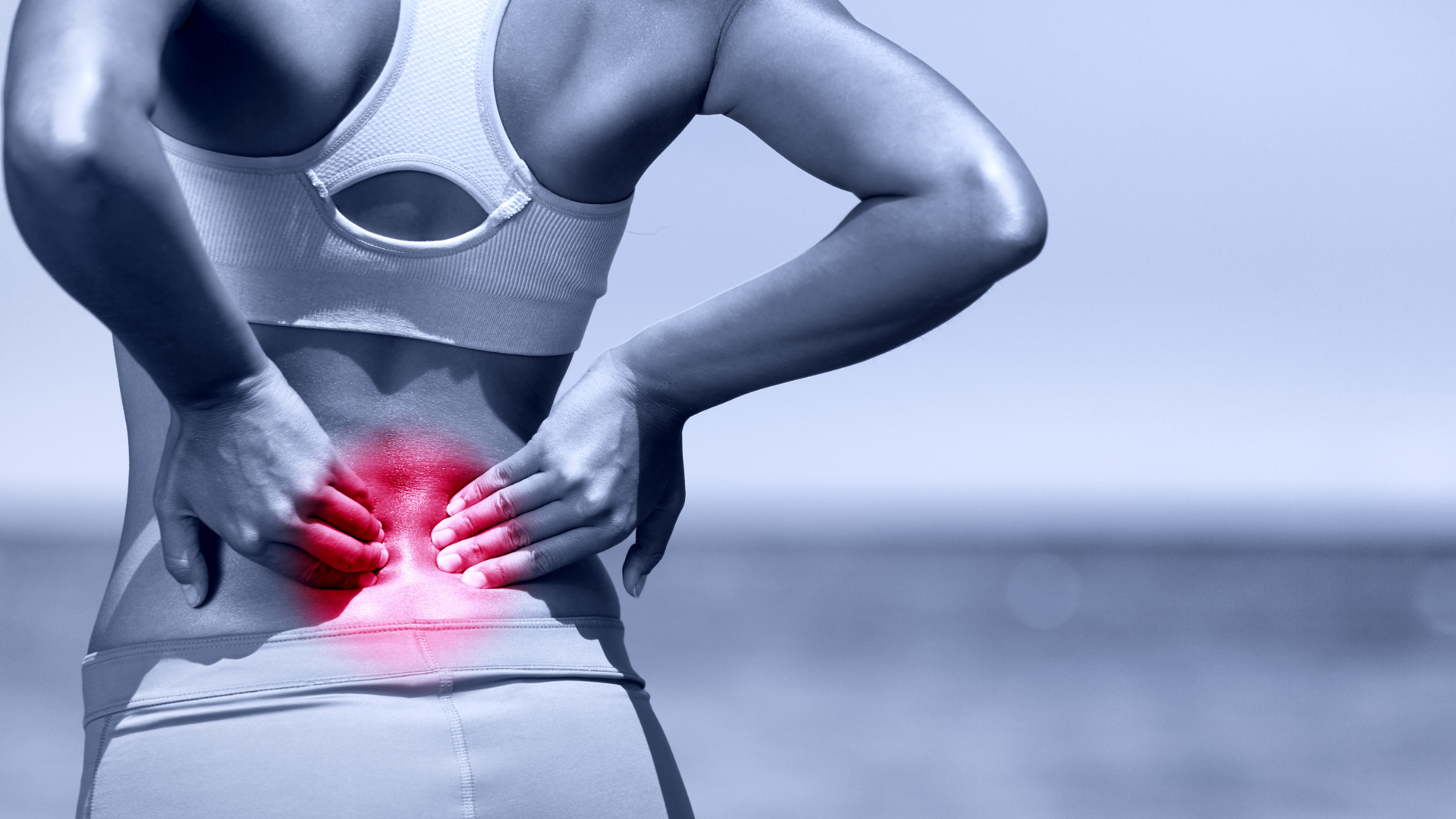
Lower back pain is common for the female population, so we’ve created a guide to lower back pain for women. It is an ailment that creeps up on everyone as we age, but many women suffer from it daily.
It is a common ailment in PMS, menstruation, pregnancy, bladder infections and more. Most back pain, however, is muscular.
Many older women complain about lower back pain and other ailments like stiff joints. It is more of a symptom than a diagnosis.
The moaning that nothing works, the visits to therapists and the chiropractor exercises, the highly potent painkillers, the heating pads, and so forth can be very frustrating. Doctors usually focus on treating the pain and finding the underlying cause of the pain, ranging from sore muscles to kidney disease.
Some Of The Causes
- Sitting for long periods,
- Hip immobility,
- Muscle weakness,
- Lumbar mobility,
- Sleeping on your stomach,
- Improper standing position,
- A large belly that strains on your back, and
- Inflammation in your abdomen.
With the latter two, bloat pushes the abdominal organs back into the lower spine, placing extra strain on the discs and complex network of joints in the lower back area. In this instance, doctors advise that you do simple abdominal exercises to strengthen the core muscles. Some doctors recommend an anti-inflammatory diet.
PMS, Endometriosis and Menorrhea
The best remedy for women suffering from PMS-related back pain is over-the-counter pain meds and a hot water bottle. Heating the area directly causes the best relief.
Very painful menstruation is called dysmenorrhea. Most cases are manageable but can be very severe in some people. Pain from dysmenorrhea usually occurs in the lower abdomen and back, hips, and legs. It lasts for 1 to 3 days per cycle. It can either be a dull ache or feel like shooting pains. In pregnancy, back pain starts in the fifth and seventh months. You’re more likely to have back pain during pregnancy if you already have lower back issues.
Muscular Pain
Because of the complexity of the lower back region of the human body, the source of the pain can come from anywhere.
However, these three areas have been identified as the typical sources of pain, says Spine-Health:
- Sacroiliac Joint (SIJ) pain: the joint is the one that usually gets “locked”, causing a stabbing pain, low on either side of the lower back – just slightly about the buttocks – making it difficult for the sufferer to change positions or move
- Lower Back Disc Injuries: these injuries occur in the lumbar vertebral disc region of the spine. Disc pain manifests as sharp, stabbing pain in the centre of the spine. It travels down into the buttocks, leg and foot. Known as sciatica, there is usually pain on just one side, but depending on the severity of the injury, the pain may affect both sides. Such a sufferer can’t even touch their toes or bend forward to tie their shoelaces or curl up.
- The Quadratus Lumborum Muscle: pains occur with prolonged sitting or standing. It is a dull ache in the lower back.
Experts say that different stretching exercises suit various injuries. Once the root cause of pain is identified, the best combinations of exercises can bring relief.
Finding Relief
Sometimes changing the shoes, you wear can relieve you if your job involves standing at a workstation all day. In other words, ditch the pumps and the stilettos and opt for shoes that realign ground reaction force towards your core, thereby relieving pressure on your back, feet and pelvic area.
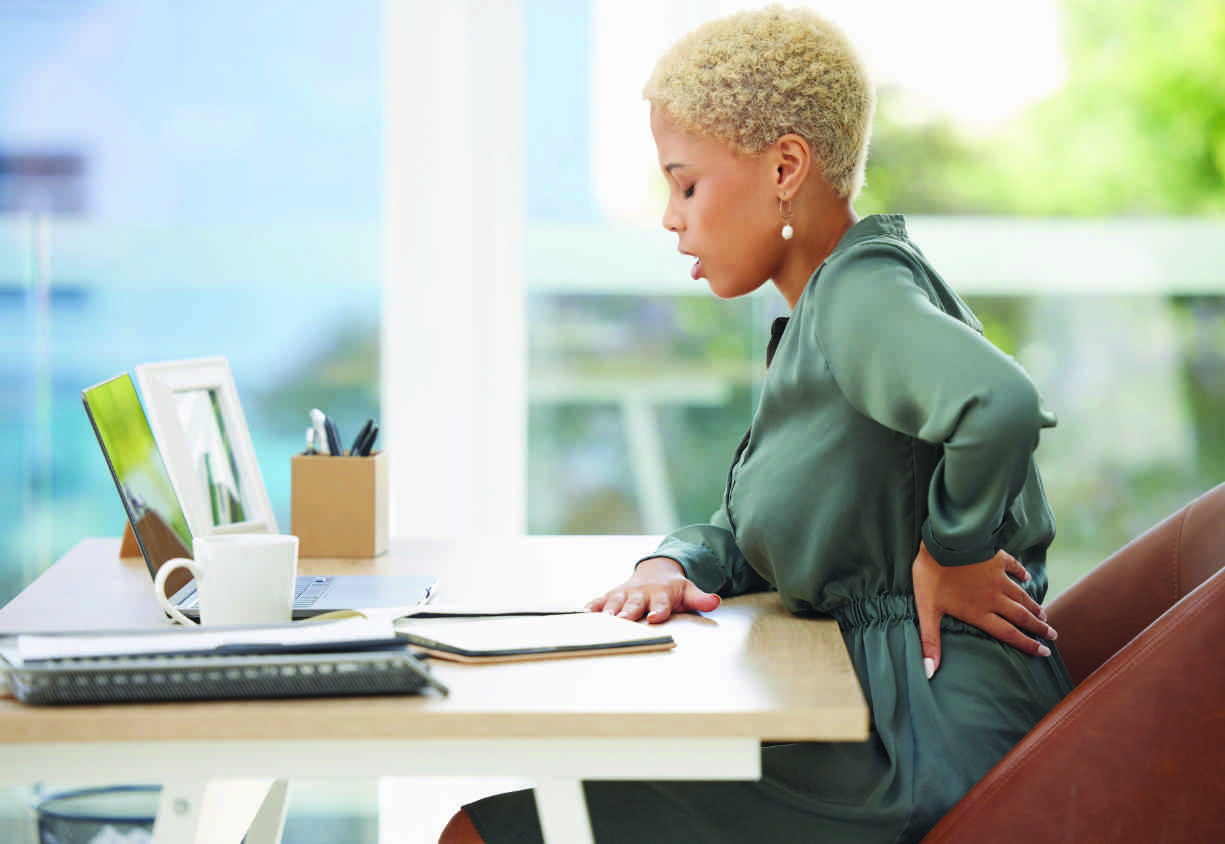
Workstations incorporating proper ergonomics help reduce back pain, says Medical News Today. Some people opt to stand at an elevated desk so that the computer is at eye level. In contrast, others sit on medicine balls, preventing the painful combination of slouching in your chair and straining to use the keyboard and screen.
Experts also recommend menthol rubs. You can also soothe the pain with cold packs to reduce inflammation and pain. The cold pack can consist of a cold gel pack or frozen peas wrapped in a cloth to place on your skin.
Heat therapy, which can take a hot shower or a warm Epsom salts bath, a heating pad or heat wrap, all help relax the muscles, bring pain relief, and get the blood pumping.
For Pain:
- Exercise your core muscles with simple exercises such as sitting on a medicine ball for 30 minutes to support your spine
- Gently loosen up tight hamstrings twice a day for 15 to 30 seconds – stretching will alleviate the stress placed on the sacroiliac joints.
- Get 8 hours minimum of sleep a night.
- Engage your brain by finding ways to create positive mindsets through mindfulness and cognitive behavioural practices.
Finally, harness and release those endorphins as they are super-pain blockers that alleviate stress, anxiety and depression. You can do this by doing something that makes you happy such as walking the dog along the beach, massage therapy, hugs and laughter with loved ones. Simple steps such as these can bring significant changes for the better.
Is It Cancer?
Probably not. However, some back pain has been known as an indicator of cancer, so it is important to mention it.
This type of back pain occurs alongside more common cancer symptoms. Sometimes, you may pass these off as being due to another condition related to cancer.
Examples include:
- Back pain that is unrelated to movement or doesn’t worsen with movement;
- Pain that occurs at night or early in the morning and goes away or gets better during the day;
- Back pain that persists even after physical therapy;
- Changes in your bowel habits;
- Sudden, unexplained weight loss;
- Unexplained fatigue; and
- Tingling, or numbness in your arms or legs and general weakness of the muscles
Back pain that is associated with cancer ranges in severity.
Having a personal history of cancer along with these symptoms may also increase your risk.
Medical Society
To speak to a medical professional, contact Medical Society. Medical Society is passionate about healthcare for children and adults. We offer cover for you and your family.
Members are covered for unlimited nurse room visits and dietary, hygiene and all health-related advice from professionals.