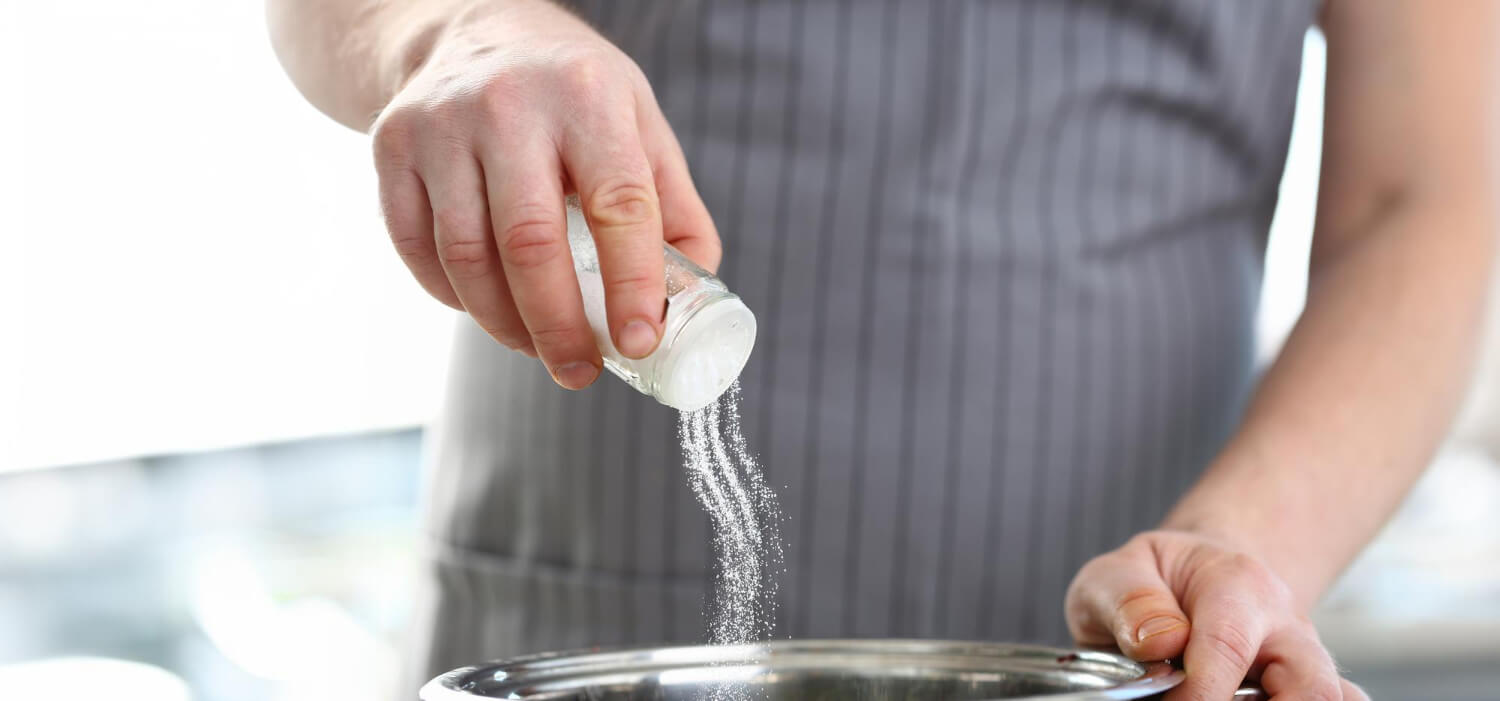
Many South Africans don’t think twice about how much salt they consume each day. It’s added during cooking, sprinkled over meals, and hidden in everyday foods like bread, processed meats, and takeaways. While salt may seem harmless, too much of it can quietly increase your risk of serious health problems, especially high blood pressure.
During World Salt Awareness Week (12–18 May), health experts are encouraging people to take a closer look at their daily habits. The reality is that many people are consuming far more salt than they realise.
Why Salt Matters
Salt contains sodium, an essential mineral your body needs in small amounts. It helps regulate fluid balance, supports nerve function, and contributes to muscle movement.
However, the body only requires a limited amount. When sodium intake becomes too high, it starts to affect how your body manages fluids, and this is where the problem begins.
How Sodium Affects Blood Pressure
When you consume too much salt, your body retains extra water to balance the sodium in your bloodstream. This increases the volume of blood flowing through your blood vessels.
The result is increased pressure on the artery walls, leading to high blood pressure, also known as hypertension.
Over time, this can:
- Put strain on the heart.
- Damage blood vessels.
- Increase the risk of heart attacks and strokes.
- Affect kidney function.
High blood pressure is often called a “silent condition” because many people don’t experience symptoms until complications develop.
The Hidden Salt in Everyday Foods
One of the biggest challenges is that most salt doesn’t come from what you add at the table.
Common high-sodium foods include:
- Bread and baked goods.
- Processed meats such as polony, viennas, and sausages.
- Instant noodles and soups.
- Stock cubes, sauces, and gravies.
- Fast foods and takeaways.
Even foods that don’t taste very salty can still contain high levels of sodium.
How Much Is Too Much?
Health guidelines recommend limiting salt intake to less than 5 grams per day, roughly one teaspoon. However, many people consume nearly double this amount without realising it. Over time, regularly exceeding this limit increases the risk of high blood pressure and related health conditions.
Signs You May Be Eating Too Much Salt
High sodium intake doesn’t always present clear symptoms, but some signs to watch for include:
- Feeling thirsty more often.
- Bloating or swelling (especially in the hands or feet).
- Headaches.
- Feeling tired or sluggish.
That said, the most reliable way to determine whether you have a high-sodium intake is to check your blood pressure regularly.
Simple Ways to Cut Back
Reducing salt doesn’t mean your food has to taste bland. Small changes can make a big difference.
Try:
- Tasting your food before adding salt.
- Cooking more meals at home.
- Choosing fresh ingredients where possible.
- Reading food labels for sodium content.
- Using herbs, spices, garlic, or lemon for flavour.
Why It Matters
High blood pressure is a major risk factor for heart disease, stroke, and kidney problems. Because it often develops quietly, many people only discover it when complications arise. Controlling your salt intake is one of the simplest ways to protect your health.
When to Get Checked
If you have a family history of high blood pressure, are overweight, or have a diet high in processed foods, regular blood pressure checks are essential. Early detection can make a significant difference in managing your health.
A Final Thought
Cutting back on salt may seem like a small change, but it can have a lasting impact on your health by helping to protect your heart, blood vessels, and kidneys over time. The key is consistency, making simple, everyday choices that support your wellbeing in the long run. With support from Medical Society, you can access professional guidance, regular check-ups, and 24/7 telehealth support, making it easier to monitor your blood pressure, understand your risk, and take practical steps towards a healthier lifestyle.