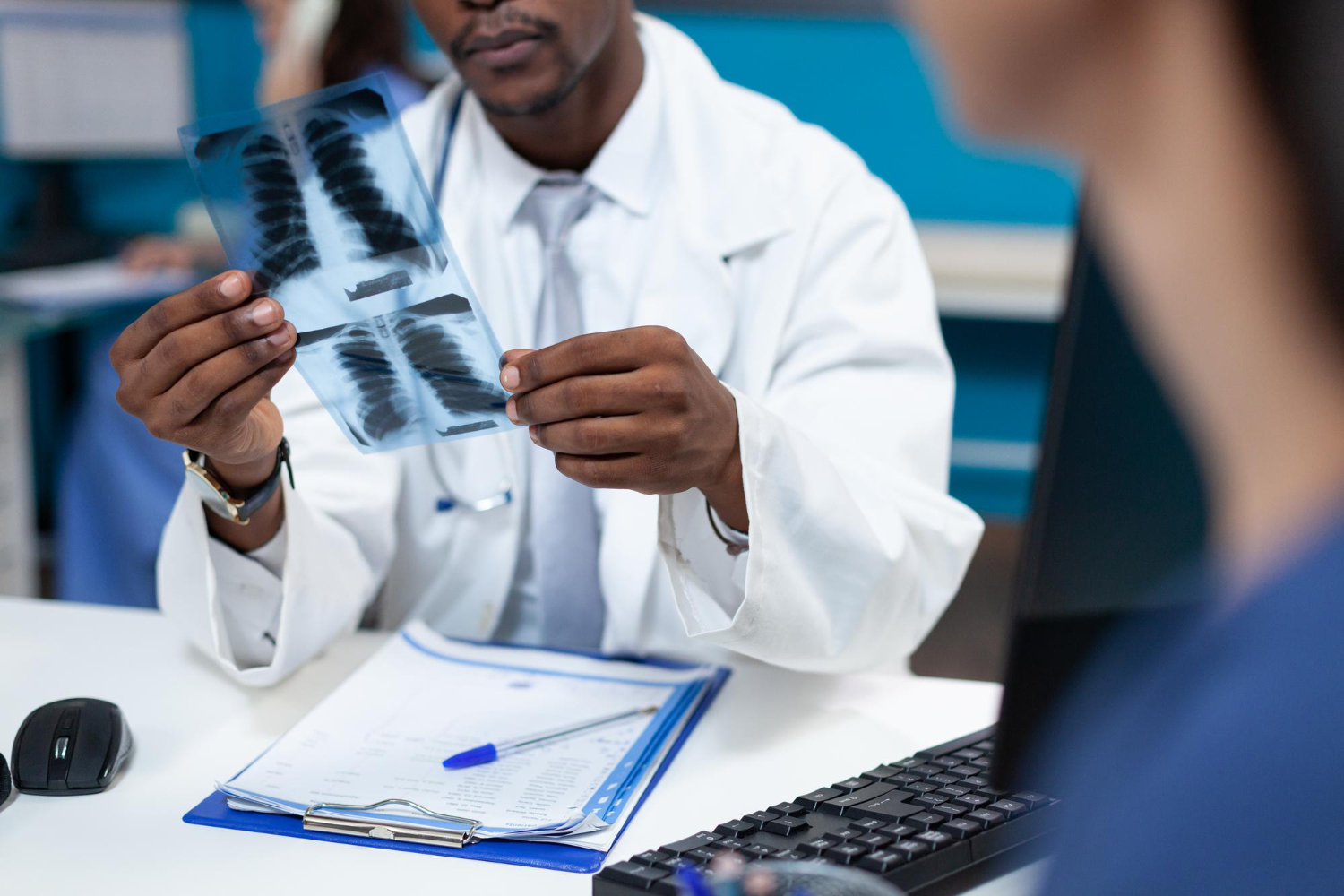
TB is still a real health risk at work, especially for people who spend a lot of time around others. Knowing how TB spreads, who is at risk, and how to protect yourself helps you stay healthy on the job. TB Awareness Month reminds us that acting early, keeping informed, and having access to healthcare are essential for preventing illness and avoiding long-term problems.
What Is TB?
Tuberculosis (TB) is an infection caused by bacteria that mostly affects the lungs. It spreads through the air when someone with active TB coughs, sneezes, or talks. TB can be prevented and treated, but it can become serious if left untreated.
Important to note is that many people exposed to TB do not get sick right away. The bacteria can remain inactive in the body for months or even years before symptoms appear.
Why Some Workers Face Higher TB Risk
Certain work environments increase the risk of exposure to TB. Jobs that entail a lot of physical effort, stress, or irregular hours can, over time, damage the immune system, making it harder for your body to fight infections. These include workplaces where people:
-
- Work in close contact with others.
- Spend long hours indoors with limited ventilation.
- Interact with the public regularly.
- Work shifts that alter sleep and immune health.
Common Workplace Factors that Increase TB Risk
The risk of getting TB at work is usually tied to workplace conditions, not job titles. Things that raise the risk include:
- Crowded workspaces.
- Poor air circulation.
- High stress levels.
- Fatigue and poor sleep.
- Restricted access to healthcare.
TB Symptoms Workers Should Know
TB symptoms usually develop slowly and can be mistaken for the flu or just feeling tired. Since symptoms can be mild at first, many people wait before seeing a doctor. This delay can allow the disease to worsen and increase the likelihood of spread to others.
Watch for these warning signs:
- A cough lasting longer than two weeks.
- Chest pain or shortness of breath.
- Unexplained weight loss.
- Night sweats.
- Fever or ongoing fatigue.
Why Early Testing Matters
Getting tested early means TB can be found before it causes serious harm. It also lowers the chance of spreading TB at work and in the community. TB treatment works well, but you need to take your medicine regularly for several months. If you stop treatment too soon, TB can return and become harder to treat.
How Workers Can Reduce TB Risk
You can’t always avoid TB exposure, but these practical steps can help lower your risk:
- Seek medical advice if symptoms persist.
- Prioritise rest and sleep to support immune health.
- Avoid working while unwell when possible.
- Improve ventilation in indoor spaces.
- Attend regular health check-ups.
TB, Overall Health, and the Immune System
Your overall health affects your risk of contracting TB. Poor nutrition, ongoing stress, diabetes, and obesity can weaken your immune system, making it more susceptible to infections.
Obesity, especially, can cause inflammation and changes in the body that affect how your immune system fights infections. Taking care of your overall health also helps lower your TB risk and supports recovery.
Why TB Is a Workplace Health Issue
TB affects more than just individuals; it also impacts productivity, attendance, and overall well-being at work. Helping people to get diagnosed and treated early can reduce sick days, long-term illness, and the spread of infection. Awareness helps workers take symptoms seriously and builds a culture in which health concerns are addressed early rather than ignored.
TB Awareness Month focuses on the need for education, early testing, and access to care. Knowing how TB spreads and who is at risk helps lessen stigma and encourages people to seek help sooner. TB can be treated, and with proper support, most people can fully recover and return to their usual work and daily life.
Conclusion
TB Awareness Month highlights the importance of education, early testing, and access to care, as TB is treatable and most people can recover fully and return to normal work and daily life when support is accessed early. Medical Society assists by providing primary healthcare services that support early TB detection, treatment recommendations, and ongoing management of related health risks such as obesity and immune health.