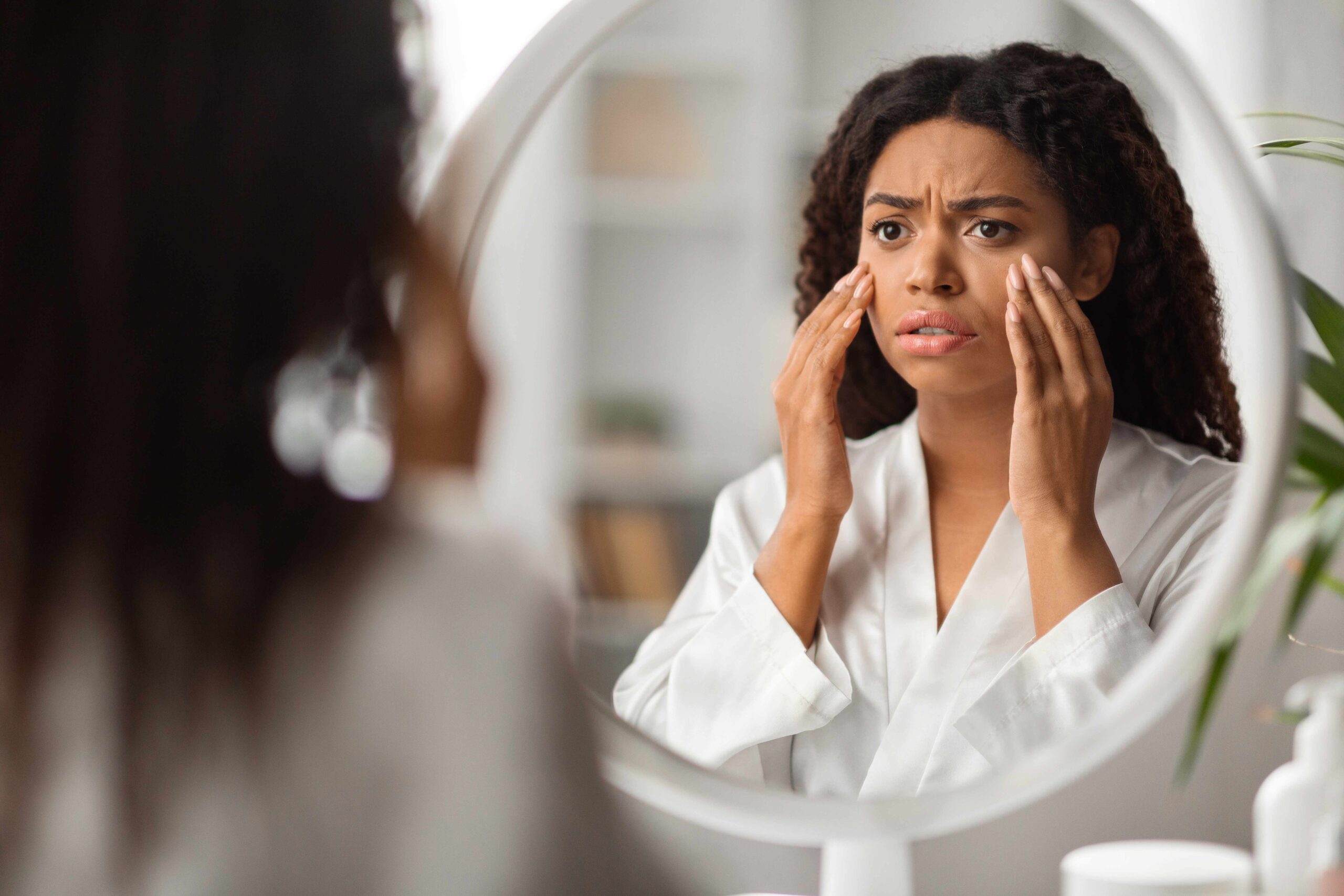
Stress doesn’t just affect how you feel; it can also show up on your skin. Many people notice flare-ups of acne, eczema, rashes, or sensitivity during stressful periods. While skincare routines are important, emotional and mental well-being are often overlooked as contributors to skin health.
How Stress Affects the Skin
When the body experiences stress, it releases hormones such as cortisol and adrenaline. These hormones are helpful in short bursts, but ongoing stress can disrupt normal skin function.
Elevated cortisol levels increase oil production, weaken the skin’s protective barrier, and trigger inflammation. This makes the skin more prone to breakouts, irritation, dryness, and sensitivity. Stress can also slow the skin’s natural healing process, prolonging the duration of blemishes or rashes.
Stress and Acne
Acne is one of the most common skin conditions affected by stress. While stress does not directly cause acne, it often worsens existing breakouts. Increased oil production can clog pores and promote bacterial growth.
Stress may also influence habits such as poor sleep, unhealthy eating, frequent face touching, or neglecting skincare routines, all of which can contribute to flare-ups. Most people notice breakouts during exams, under work pressure, during emotional strain, or during periods of exhaustion.
Eczema and Stress Flare-Ups
Eczema is a chronic inflammatory skin condition that commonly worsens during stressful periods. Stress activates immune responses that increase inflammation, leading to itching, redness, dryness, and cracked skin. This creates a cycle where discomfort increases stress, and stress worsens symptoms.
Other Stress-Related Skin Conditions
Stress can also trigger or worsen conditions, including psoriasis, rosacea, hives, excessive sweating, unexplained rashes, and delayed wound healing. Some individuals experience increased redness, burning, or skin sensitivity without an obvious cause. Hair loss and slow skin repair may also occur, as the body prioritises stress responses over normal healing processes.
The Gut–Skin Connection
Stress can affect digestion and gut health, which, in turn, can influence the skin. Changes in inflammation, nutrient absorption, and gut bacteria can contribute to dullness, breakouts, or sensitivity, even when skincare routines remain unchanged.
Signs Stress May Be Affecting Your Skin
Stress-related skin changes may include sudden or recurring breakouts, eczema flares without clear triggers, itchy or inflamed skin, slow healing, or reactions to products that were previously well tolerated.
Managing Stress
Supporting skin health involves caring for both body and mind. Getting enough sleep allows the skin time to repair and reduces inflammation. Regular physical activity helps regulate stress hormones and improve circulation. Eating balanced meals supports nutrient intake and stable blood sugar levels, which influence inflammation and oil production.
Gentle skincare routines help protect the skin barrier during stressful periods. Relaxation techniques such as deep breathing, stretching, mindfulness, and taking regular breaks can reduce flare-ups. Limiting excessive caffeine, alcohol, and smoking may also benefit skin health.
When to Seek Medical Advice
If skin symptoms are persistent, painful, spreading, or affecting daily life, seek medical advice. A healthcare professional can assess whether symptoms are stress-related, identify underlying conditions, and recommend appropriate treatment. Early support can prevent symptoms from worsening and reduce the emotional impact of chronic skin conditions.
Conclusion
Stress and skin health are closely linked. Acne, eczema, and other skin conditions often flare up during periods of emotional strain, highlighting the importance of addressing both physical and mental well-being. Understanding this connection empowers individuals to take proactive steps towards healthier skin and overall balance. Medical Society supports patients by providing access to professional medical guidance, which helps manage stress-related skin conditions through appropriate care and early intervention.