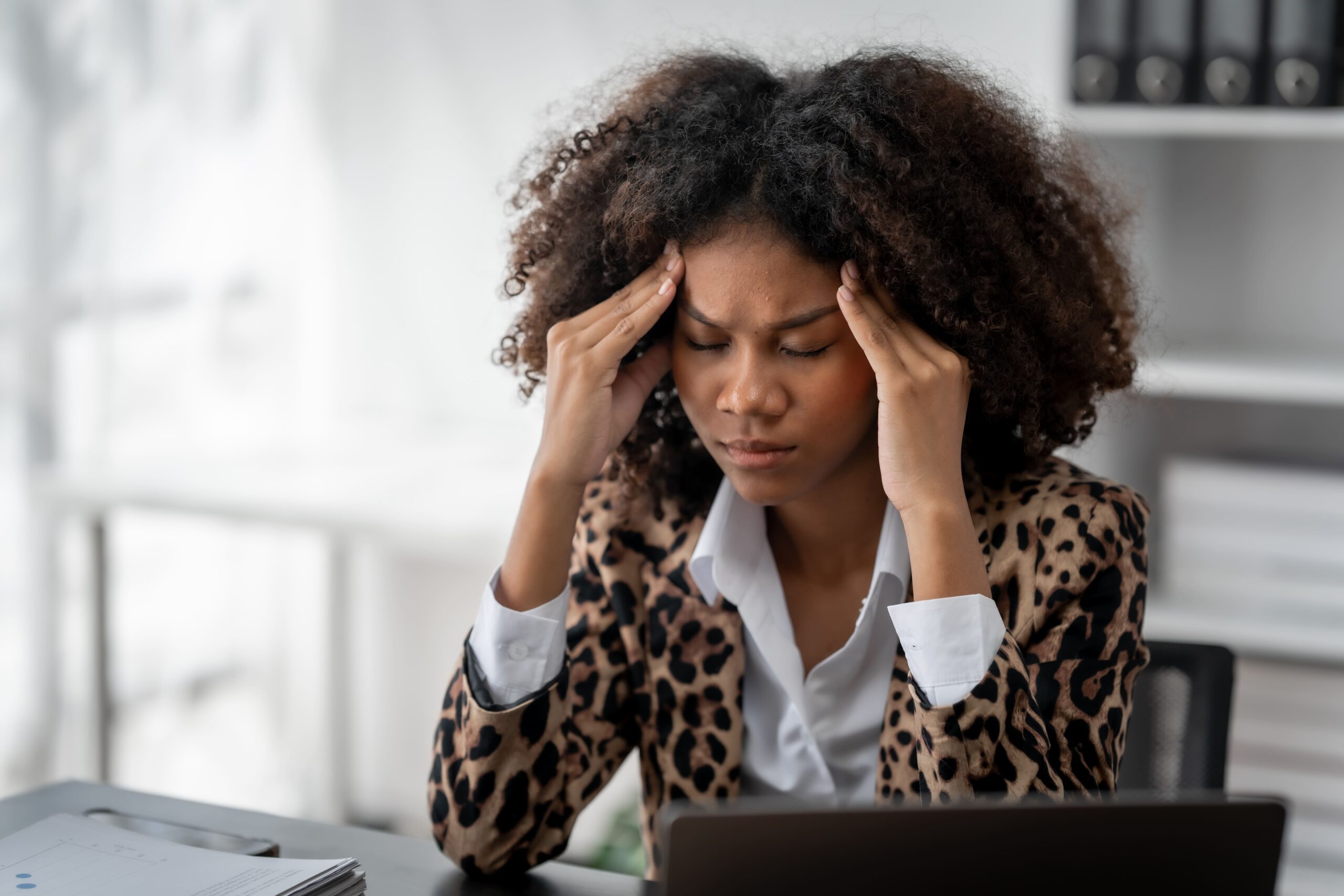
The festive season is fun and full of late nights, food, and celebrations, but once it’s over, many people feel tired, unmotivated, or a little down. This is known as the post-holiday blues, and it’s more common than you think. Getting back into routines, work, and responsibilities after weeks of relaxing can feel overwhelming. The good news is that with a few simple steps, you can ease back into everyday life and support your mental well-being as the new year begins.
Recognising Post-Holiday Blues
The first step is understanding what you’re feeling. Post-holiday blues often manifest as tiredness, irritability, sadness, or lack of motivation. You may struggle to get back into work, feel disconnected from your routine, or find that simple tasks seem more complicated than usual. These feelings don’t mean anything is wrong with you, as they’re a natural reaction to the sudden shift from rest to responsibility. Acknowledging what you’re experiencing is an important part of managing it healthily.
Get Back into a Gentle Routine
Jumping straight into an intense routine can make the transition feel even harder. Instead, ease yourself back slowly. Start with regular wake-up times, simple meals, and manageable daily goals. A gentle routine helps your brain and body settle, making each day feel more structured and predictable. Even small habits like drinking water when you wake up, going for a short walk, or planning your day the night before can create stability and reduce stress.
Prioritise Sleep and Rest
Late nights, travel, and irregular sleep during the holidays can leave you exhausted without realising it. When your sleep is disrupted, your mood and energy levels naturally take a dip. Focus on getting enough rest by setting a consistent bedtime, limiting screen time before bed, and permitting yourself to unwind.
Move Your Body
Exercise plays a big role in lifting low mood, but you don’t need a gym membership or a hardcore workout plan. Gentle movement is enough to boost your energy and improve your mindset. A walk outside, a short stretch session, or a few minutes of deep breathing can help release tension and stabilise your mood.
Reconnect With Healthy Eating Habits
Holiday foods are delicious, but may leave you feeling sluggish, bloated, or low on energy afterwards. Getting back to balanced meals can improve your mood, focus, and overall well-being. Start with simple changes, like eating a proper breakfast, drinking more water, or adding fresh vegetables to your meals.
Talk about How You’re Feeling
Feeling low after the holidays is nothing to be ashamed of. Opening up to someone you trust, whether a friend, partner, family member, or healthcare provider, can help lighten the load. Talking about your emotions enables you to process them and prevents them from building up.
Plan Something Small to Look Forward To
One reason the post-holiday slump hits so hard is that all the excitement suddenly stops. Creating small moments to look forward to can help balance this emotional drop. It could be a weekend outing, a movie night, a new hobby, or simply a relaxing self-care routine.
Be Kind to Yourself
Adjusting after the holidays takes time, and it’s completely normal not to feel your best right away. Try not to pressure yourself to be super productive or perfectly organised from day one. Take things slowly, celebrate small wins, and remember that getting back into routine is a gradual process. Being kind and patient with yourself is one of the best ways to ease post-holiday stress.
Start the Year Feeling Supported
Navigating post-holiday stress is entirely normal, and with proper habits, you can regain your energy and motivation. Whether you’re dealing with low mood, burnout, or emotional overwhelm, taking proactive steps now sets you up for a healthier, more balanced year. Contact Medical Society for helpful guidance on managing stress, support with a healthcare plan for your needs, and practical advice to help you strengthen your mental and emotional well-being throughout 2026.