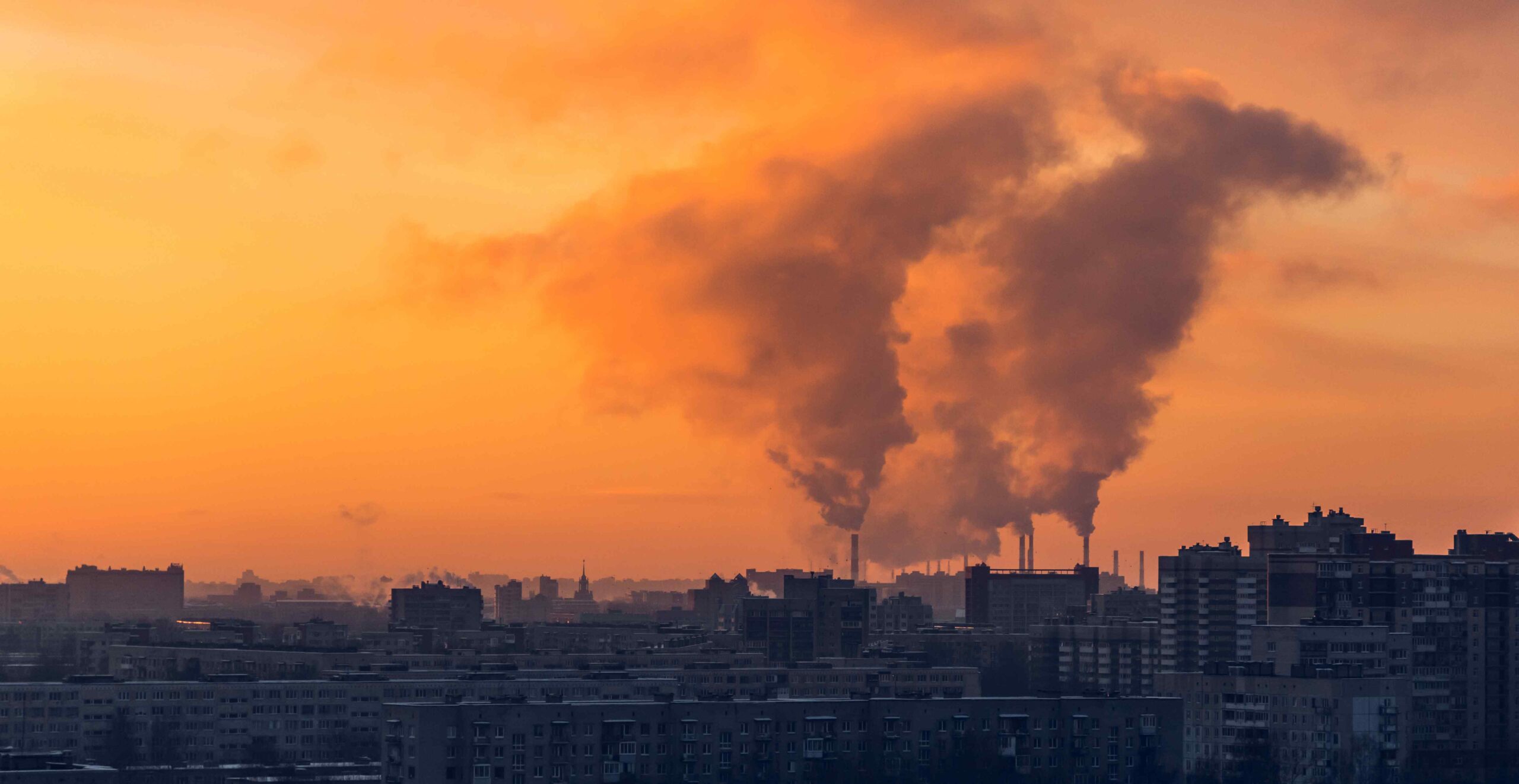
Air Pollution And Allergies: Why You’re Sneezing More And How To Find Relief
If you’ve been sneezing non-stop, battling itchy eyes, or constantly blowing your nose, you’re not alone—and no, it’s not just a cold. Air pollution, combined with common allergens, is a major reason why many people are feeling more congested and irritated, especially in cities. Understanding how poor air quality affects allergies can help you breathe more easily and regain control.
How Air Pollution Triggers Allergies
Air pollution contains harmful particles such as:
- Particulate Matter (PM) – Tiny particles from car exhausts, factories, and fires.
- Nitrogen Dioxide (NO₂) – Found in traffic-heavy areas.
- Sulphur Dioxide (SO₂) – Often from burning coal or diesel.
Breathing in these pollutants irritates your airways and weakens your body’s natural defences. This makes you more sensitive to everyday allergens, such as pollen, dust mites, pet dander, and mould.
According to studies, exposure to high levels of air pollution is associated with an increased risk of allergic conditions, including asthma, allergic rhinitis (also known as hay fever), and eczema. Children and young adults are particularly vulnerable due to their developing respiratory systems and increased frequency of outdoor activities.
Why Are Allergy Rates Going Up?
Allergy cases are on the rise globally, and South Africa is no exception. Here’s why:
- Urbanisation: More people are moving to cities, where traffic fumes, construction dust, and industrial emissions are harder to avoid.
- Climate Change: Rising temperatures and CO₂ levels are making plants release more pollen, and for longer seasons.
- Indoor Pollution: Many households still use paraffin, wood, or coal for cooking and heating, which releases harmful smoke and fumes.
Several studies focusing on urban areas have found that up to 40% of children experience allergy-related symptoms worsened by poor air quality and suboptimal living conditions. Factors such as traffic pollution, industrial emissions, and indoor smoke from cooking or heating fuels play a major role in triggering allergic reactions in younger populations.
Common Allergy Symptoms
If you’re unsure whether it’s an allergy or something else, here are some common signs to watch for:
- Sneezing.
- Runny or blocked nose.
- Itchy, red, or watery eyes.
- Dry coughing or throat irritation.
- Wheezing or shortness of breath.
- Skin rashes or eczema flare-ups.
Tips to Protect Yourself and Find Relief
You don’t have to suffer through allergy season (which is becoming more like “allergy year”). Try these practical tips:
- Track air quality: Use SAAQIS, South Africa’s official air quality monitoring platform, which provides real‑time data from over 120 government-monitored stations and displays both pollutant levels and an easy-to-read Air Quality Index.
- Shut it out: Keep windows and doors closed during peak pollen times or smoky days.
- Clean smarter: Vacuum with a HEPA filter, wash bedding weekly in hot water, and dust surfaces regularly.
- Rinse off: After spending time outdoors, shower and change clothes to remove pollen and pollutants.
- Ditch smoke indoors: Cigarette smoke and even incense can trigger or worsen allergies.
- Get an air purifier: Especially if you live near busy roads or industrial areas.
Medication Options That Can Help
Sometimes, lifestyle changes aren’t enough. Here are some treatments that may ease your symptoms:
- Antihistamines: These can help stop sneezing, itching, and runny noses (e.g., Loratadine, Cetirizine).
- Decongestants: Relieve blocked noses, but should only be used short-term.
- Nasal corticosteroids: Reduce swelling and inflammation in your nasal passages.
- Allergy shots (immunotherapy): Slowly train your body to tolerate specific allergens over time.
Talk to a healthcare provider before starting any new medication.
Don’t Let Allergies Control Your Life
Allergies can mess with your sleep, focus, and even your mood—but you don’t have to live with them. Stay informed, reduce your exposure to triggers, and get help when needed. Medical Society offers an affordable and accessible healthcare solution to help you manage your allergies and feel your best, anytime you need it.