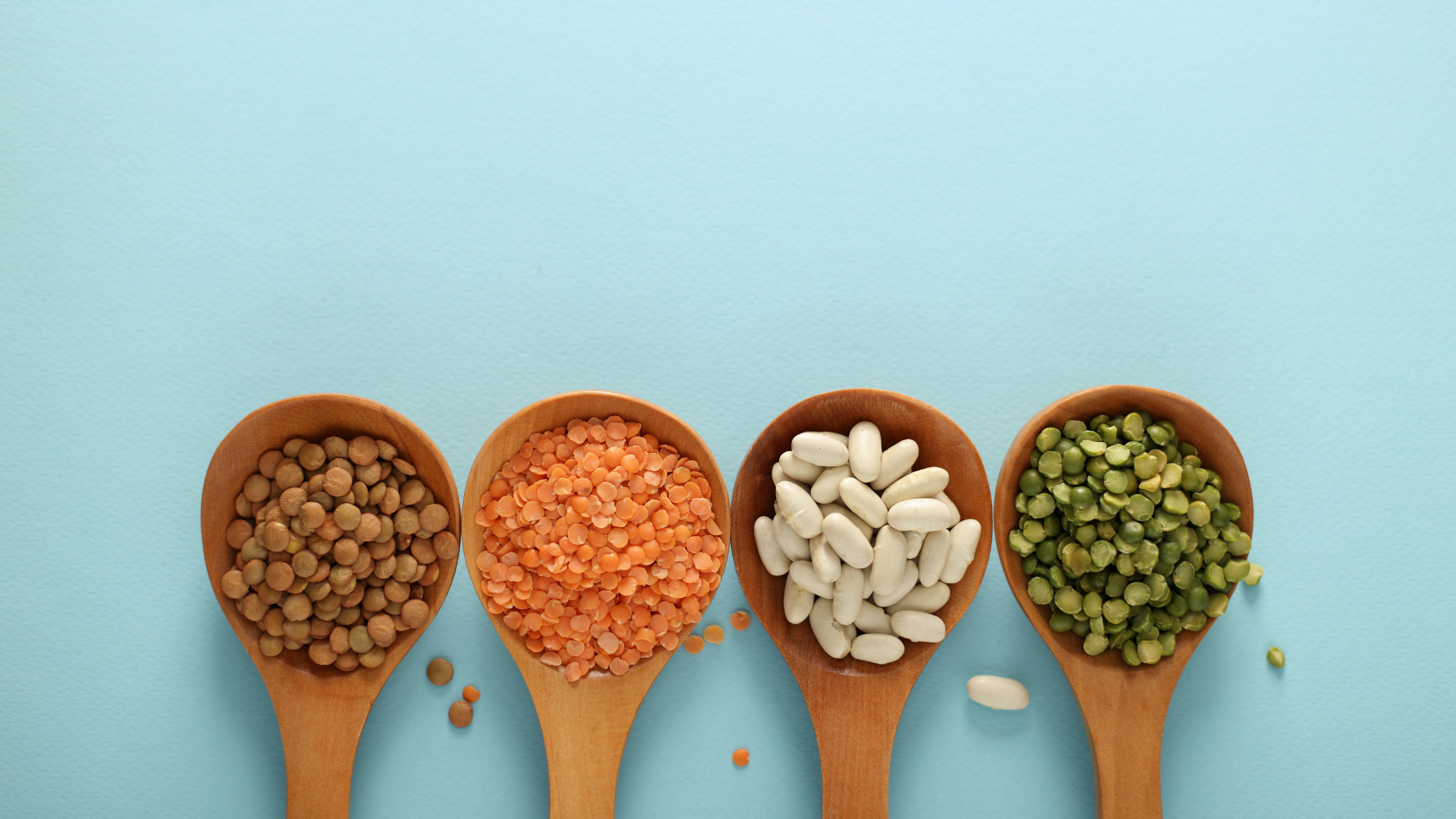
Legumes, one of the best natural sources of fibre and protein you can get! Eating more legumes as part of a healthy diet can do loads for your health.
This includes:
- Lowering blood sugar,
- blood pressure,
- heart rate and other heart disease and diabetes risks. Beans and legumes contain antioxidants that help prevent cell damage and fight disease and ageing.
Fabaceae family
Legumes form part of the Fabaceae family. They are low-fat, high-protein filled with vitamins, minerals, antioxidant compounds and dietary fibre. They are a great meat replacement and have many health benefits, such as reducing cholesterol, decreasing blood sugar levels and increasing healthy gut bacteria.
There are various legumes – kidney beans, cannellini beans, navy beans, cranberry beans, black beans and more. Legumes are nutritious and practically free of saturated fat. The benefit is an integral part of healthy eating patterns, including the Mediterranean style of eating, the DASH eating plan, vegan and vegetarian diets, etc.
Secondary benefits
Legumes are known colloquially as “vegetarian meat”. It is an inexpensive source of quality plant protein and a tasty, hearty meat substitute.
Instead of consuming meat two to three times a week, legumes promote healthy cholesterol and reduce the risk of heart disease – while being just as filling. Legumes are a cholesterol-free food that contains no saturated fat. Forslightly more than 110 calories, a half cup of cooked black beans contains 32%, 15% and 14% of the daily values for folate, magnesium and thiamine, respectively. It also had 10% each of the daily values for iron and potassium. Opting for legumes instead of meat two or three times a week promotes healthy cholesterol levels and helps protect against heart disease.
According to Healthline, kidney, black, pinto and most other beans contain high amounts of protein. Chickpeas are another legume with high protein content. Both beans and chickpeas contain about 15 grams of protein per cooked cup (240 ml).
Some of the healthiest legumes
Chickpeas
Chickpeas are a great source of fibre and protein. Another name for them is garbanzo beans. Scientific studies show that chickpeas help with weight management and reduce the risk factors for heart disease. It potentially decreases the risk of cancer, especially if it substitutes red meat.
Eating chickpeas may improve your blood cholesterol levels and benefit your gut. Studies show that chickpeas can improve your bowel function and get rid of harmful bacteria in your intestines.
Lentils
Besides being a great source of vegetarian protein, lentils have many health benefits. It is also a great addition to soups and stews.
Like chickpeas, lentils can bring down your blood sugar. Some studies highlight lentils as a gut fixer. It improves bowel function and empties your stomach at a slower rate, which may help with digestion and prevent blood sugar spikes.
Peas
Similar to other legumes, peas contribute fibre and protein. Pea fibre and protein, even used as supplements, have health benefits such as reducing the increase in insulin and blood sugar after meals.
Pea fibre increases stool frequency in older adults. It reduces their use of laxatives.
Kidney beans
Kidney beans are high in fibre and aid in slowing the absorption of sugar into the blood. It reduces blood sugar levels. As a result, kidney beans lower your risk of diabetes and metabolic syndrome.
Black beans
Like most beans, black beans provide fibre, protein and folate. It is a staple food in Central and South America.
These beans may reduce a spike in your blood which generally happens after eating a meal. They have a lower glycemic index compared to other high-carbohydrate food.
Soybeans
Soybeans are an everyday favourite in Asia, especially tofu. It contains high levels of antioxidants called isoflavones. They contribute to the health benefits of soybeans.
Evidence suggests that consuming soybeans can potentially reduce the risk of cancer. Many of the studies are observational, though. This means that participants’ diets weren’t controlled, and there may be other factors affecting cancer risk.
Anti-health benefits
Raw legumes, specifically beans, contain compounds such as lectins, phytates and tannins. They can interfere with the digestion and absorption of certain nutrients. Soaking, boiling, sprouting and fermenting of legumes decrease levels of ‘anti-nutrients. They also increase the bio-availability of nutrients.
Boiling legumes for 10 minutes counteracts anti-nutrients. Canned beans are sufficiently heated, and dry beans should be thoroughly cooked before eating.
Legumes are underrated. When eaten correctly, you add to your nutritional value and contribute to environmentally friendly processes.
The downside: Legumes can cause uncomfy gas!
Peas, beans and lentils, have a reputation for causing gas. Beans contain high amounts of complex sugar called raffinose, which the body has trouble breaking down. They are also rich in fibre, and a high intake of fibre can increase gassiness.
Beans contain high amounts of complex sugar called raffinose, which the body has trouble breaking down. Beans are also rich in fibre, and a high intake of fibre can increase flatulence.
The Medical Society is passionate about proper health and nutrition for both children and adults. The Medical Society covers you and your family for whatever unforeseen illnesses may come your way, offering affordable healthcare for adults.
Starting from R89 a month, members are covered for unlimited nurse room visits and dietary advice from professionals.