Stress has unpleasant health consequences on the body. Stress can cause illness and death, it is that serious.
There are steps that you can take to manage stress. Without coping mechanisms, you can suffer mentally, emotionally and physically. It may take some practice to overcome stressful times, but it isn’t impossible.
What is stress?
Harvard Medical School says stressful situations range from minor annoyances, like traffic jams, to severe worries, such as having an ill loved one.
Stress is caused by different reasons, flooding your body with hormones. Your heart begins to beat faster, and your breathing increases while your muscles tense up.
Experts say that reacting to threatening situations is called a ‘stress response’. Nowadays, especially with the pandemic ongoing, the challenges you face every day may set off a stress response. You cannot avoid stress in life, but there are healthier methods to respond to it.
Research reveals that the COVID-19 pandemic is highlighted as a stressful concern. Since the virus appeared, more people have been affected by stress, anxiety, and depression.
Relaxation techniques
Focus on your breathing
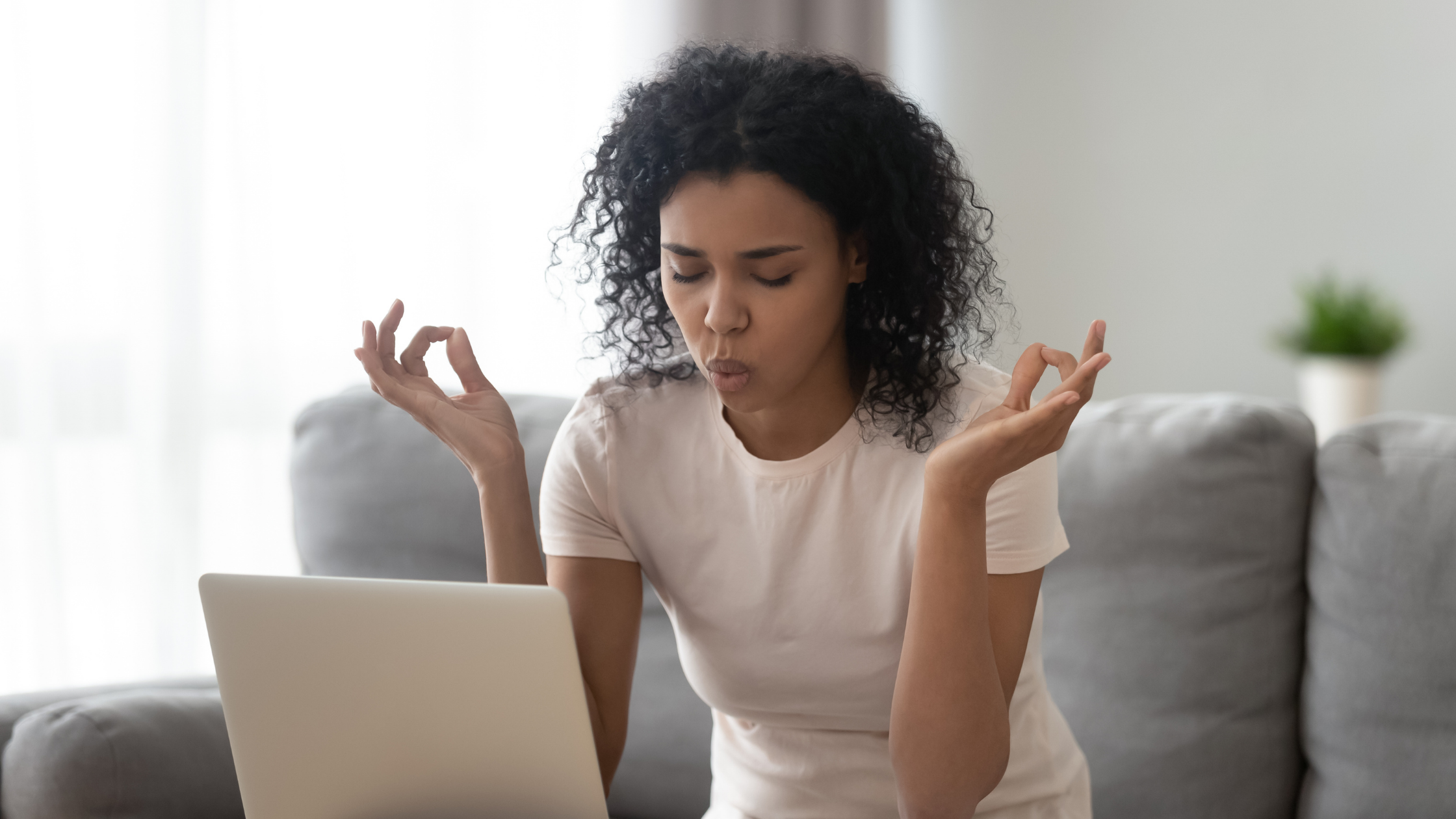
Breathing may seem simple, but it is a powerful technique when taking long, slow and deep breaths during a stressful situation. Your breathing can disengage your mind and distract you from worrying thoughts and sensations.
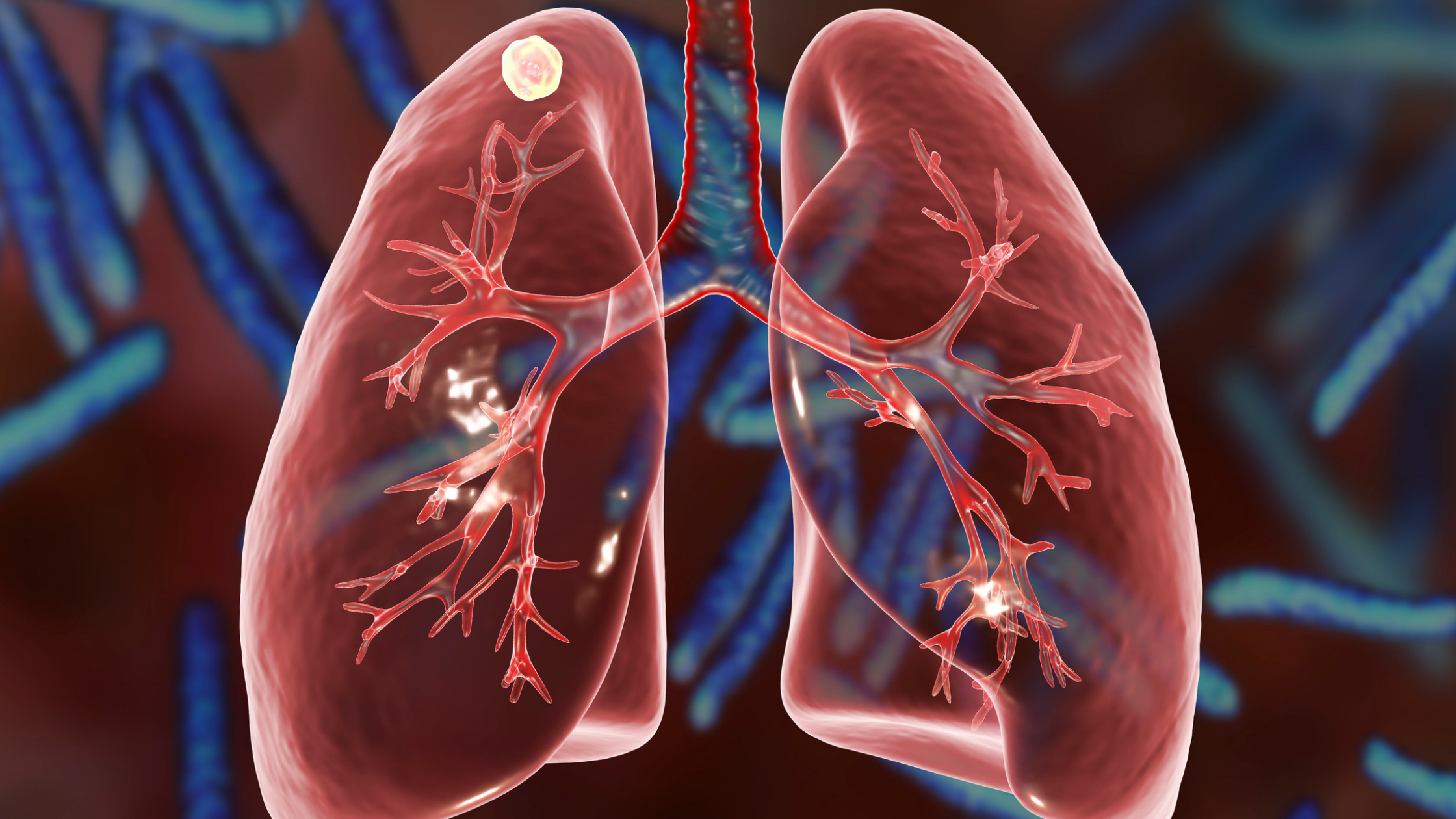
Breath focus can help people with eating disorders because it allows you to focus more on your body positively. Avoid this technique if you suffer from respiratory ailments or heart failure. It can make your breathing more difficult.
Regular physical exercise
Stress brings upon a ‘fight or flight’ type of feeling. Your adrenaline and cortisol are there to prepare you to take action. Physical exercise is good for metabolising excess stress hormones and allows the body to restore calmness and relaxation.
Any exercise is good for you. If you are starting out, try to exercise three to five times a week for 30 minutes. When you are feeling more comfortable with your exercise routine, try some vigorous exercises, such as swimming or jogging. It can raise your heart rate, and so can running or a quick, brisk walk.
Mindfulness and mantra meditation
Mindfulness stems from an ancient form of meditation. It promotes the awareness of living in the moment and instead focuses on your body, thoughts and surroundings.
Mantra meditation is the opposite of mindfulness because all your attention is focused on a single mantra, candle flame or phrase. It is not uncommon that your mind wanders during either meditation. However, you can re-focus and start again.
Meditation is a brain skill and can take more than two weeks to get the hang of it. Your mind is distracting and constantly chatters, which is normal. However, as you continue to practice, you will improve at it.
An attitude change
Stress is a part of everyone. The difference is how you choose to manage it. Because you are unable to avoid it, think of stress as a challenge. By having a reverse negative attitude, you can reduce tension and the problem you thought you’d never have a solution to.
Changing your attitude towards stress can be done by writing – write your question and then answer the question with as many solutions you can think of. Look at the solutions you have listed and put them into action. It helps to remove you from a panic-stricken state of mind and move into the rational part of your brain.
Repeat a prayer
Repetitive prayer is a tip using repetition of a short silent prayer or motivational phrase as you practice breathing. The technique may appeal more to you if you are religious or spiritual.
Experts recommend more than one technique of this type is chosen. The sampling allows you to see what suits you best – from practising the technique a few minutes a day or 20 minutes a day. The end result depends on how often you practice, offering greater benefits and reducing stress.
Try one, try all
Relaxation techniques are very safe, but mostly for healthy people. Negative impacts can increase your stress, bad thoughts or the fear of losing control. Speak to your doctor about what technique works for you.
You can try so many more relaxation techniques, including biofeedback, self-hypnosis, massage therapy, music therapy, art therapy, aromatherapy, or hydrotherapy. Why try one when you can try all?
Make contact with your specialist first – and from there, you can take steps further into your journey of less stress and relaxation. A little bit of stress is good for you. It adds a challenge to your life, and most importantly, it will keep you alive.
Medical Society
Get a Primary Healthcare plan that covers a range of convenient Telehealth benefits AND a variety of nurse-led services at our strategically located medical centres nationwide.
Call us now: 0861 11 10 58