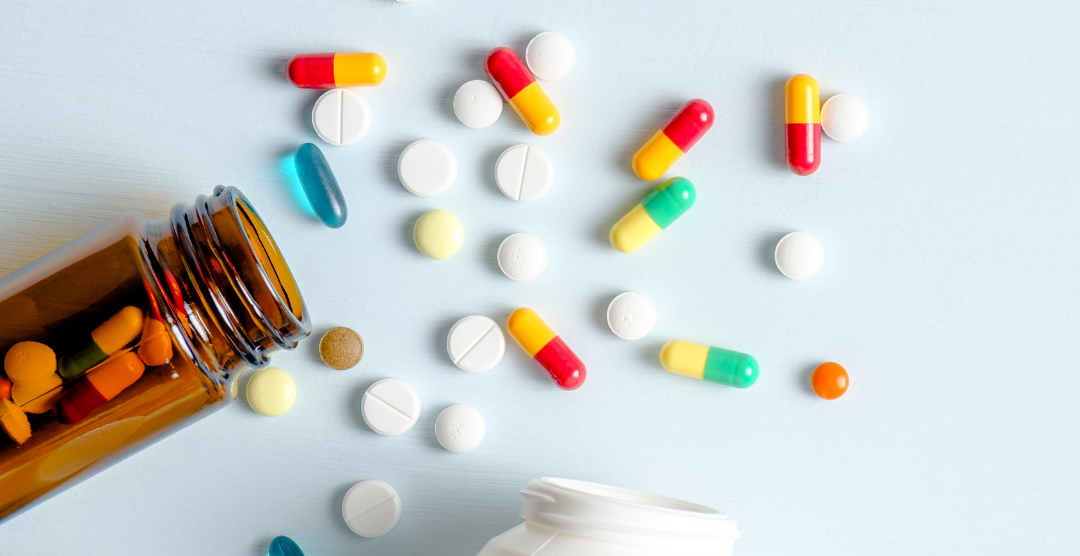
It is always advisable to get your medication from a registered chemist; and all prescriptions and medicine recommendations need to come from a medical professional. This is general knowledge; but lesser known is that even the trusted medication from trusted dispensaries could have undesirable ingredients, with even worse side effects.
Medicines are made up of active ingredients and inactive ingredients. Other substances can also be included during the manufacturing process.
It is very important to be aware of any chemicals you put into your body. Having a doctor, nurse or other well-informed, trained person administer your medication is very important. Buying over-the-counter medicine can be risky. Even if the medicine is OTC, be sure to do your research – ask questions and get answers from professionals only.
Active ingredients
Active ingredients give the medicine we use its medicinal effect. In pain medication, particularly over-the-counter variations, the active ingredient is paracetamol. The other ingredients will differ from brand to brand, but paracetamol is what relieves the pain.
Atorvastatin is the active ingredient in cholesterol-lowering medicines, while ascorbic acid (vitamin C) is added to some multivitamins to assist with the absorption of the vitamin into the bloodstream.
Inactive ingredients
Inactive ingredients (also known as excipients) are all the other non-active ingredients used in medicine, explains Therapeutic Goods Administration. Some inactive ingredients are essential for a medicine to function as intended. These are the ingredients to look out for, and they may cause unfavourable reactions in the body.
Some examples of types of inactive ingredients are preservatives, flavourings and colourants. Other non-active yet common ingredients are fillers that help a tablet stick together and certain manufacturing aids.
A manufacturing or processing aid is a substance that helps make the medicine, but is not meant to stay in it. Sometimes medicines have trace amounts of these substances like soy oil as a lubricant, or eggs to culture the vaccines etc. But they are not considered medicinal ingredients.
Why do we have inactive ingredients in medicine?
Inactive ingredients are important in drug formulations; they are used as a filler, stabilise the molecule and sometimes they make the pill easier to swallow (sugar coating). More importantly, some inactive ingredients support absorption of the drug through the GI tract.
Intolerance
One of the risks of taking medications with many inactive ingredients is that you may have an intolerance of it. This is particularly true for chronic medications.
Researchers suggest that the average pill or capsule contains about nine inactive ingredients, with the highest amount found in one tablet being 35, Harvard reports.
“Formulation is an art, and you may need numerous components for a medication to work well and have the full effect,” says Dr Giovanni Traverso, one of the authors of the study, as well as a gastroenterologist and biomedical engineer at Harvard-affiliated Brigham and Women’s Hospital. By the time drug makers add all of the necessary components, the inactive ingredients make up three-fourths of the typical pill, Dr Traverso continues.
The most common risk stems from intolerances. FODMAPS, which are fermentable oligosaccharides, disaccharides, monosaccharides and polyols play a big part in adverse reactions to medications. Around 55% of all oral medications contain at least one FODMAP. These are sugars found in certain foods — such as milk and dairy products, wheat, rye, onions, garlic, legumes, honey, asparagus and artichokes as well as various types of nuts — that can be difficult to digest and can cause gastrointestinal symptoms such as gas, bloating and diarrhea, the site continues.
Allergies
Allergies can range from uncomfortable swelling and hives, to life-threatening physical reactions.
Symptoms include shortness of breath, itching, hallucinations and a whole range of things that may not be listed anywhere. It all depends on your specific body and also how many medicines you take a day. Someone who has to take several medications at a time may have a completely unique experience from someone else who takes the same amount of medication.
Pharmatech says that almost 93% of oral pills contain at least one potential allergen, and only 12% of APIs are not accompanied by inactive ingredients that have been found to cause allergic reactions.
Based on data from US and German drug databases, PillBox and Gelbe Liste, as well as simple pharmacy-based pill weighing tests, a tablet or capsule contains 280mg of inactive ingredients and only 160mg of API.
“There are in excess of 30,000 different ingredients, which can be classified as an inactive ingredient, and, on average, there are eight [inactive ingredients] in every pill,” Traverso notes. There are around 82.5 alternative formulations per active pharmaceutical ingredient for the 18 most frequently prescribed medicines in the US.
All of this is why it is so important to receive your prescriptions and medical advice from a trained professional. The Medical Society is able to service thousands of people in need of primary medical care, every day.
Now, people who have been previously disadvantaged and are at a disadvantage for healthcare have the opportunity to get first level care from highly trained professionals.
Our policies are priced to allow us to reach the millions of South Africans who battle to receive medical attention when they need it.