
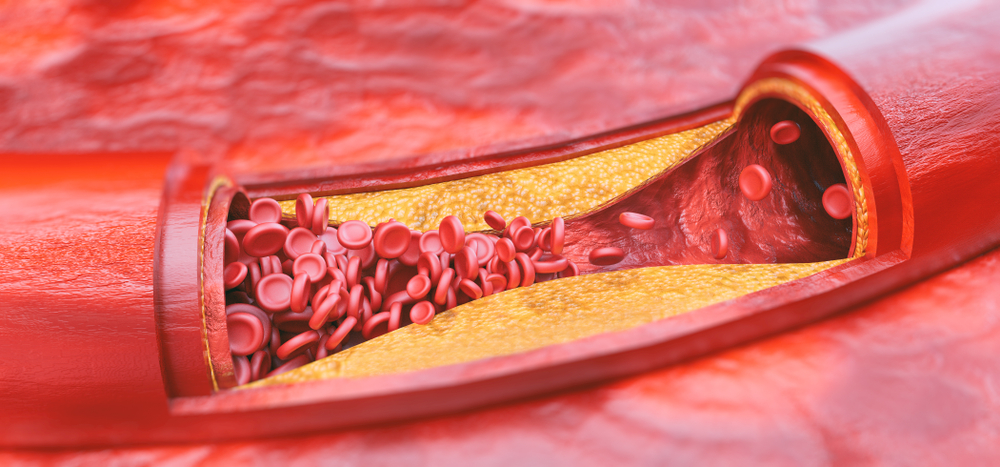
Many diseases can affect the heart; some conditions are genetic, while others are partially due to an unhealthy, sedentary lifestyle. Coronary heart disease is a mixture of the two that affects the walls of the arteries around the heart, called the coronary arteries.
What is Coronary Heart Disease, exactly?
Coronary heart disease is also known as atherosclerotic heart disease, ischaemic heart disease and coronary artery disease.
The heart’s purpose is to pump blood, which provides your body with the oxygen and nutrients it needs. It carries away waste and only delivers the clean blood to your extremities and organs. The heart is possibly the most critical organ in the body. Without the heart, the body cannot live.
Your heart is two pumps in one. The right side of your heart receives blood from the body and pumps it to the lungs. The left side of the heart receives blood from the lungs and pumps it to the rest of the body.
According to the National Heart, Lung and Blood Institute of America, coronary heart disease is a congenital condition caused by the build-up of plaque inside the lining of larger coronary arteries. This waxy build-up can block blood flow in the large arteries of the heart in various degrees (partially to full-on blockage). The heart itself also needs oxygen to function. It’s the coronary arteries’ primary purpose to deliver oxygen-filled blood to the heart muscle. These narrowing arteries, designed to carry oxygen to the heart muscle, decrease the blood flow to your heart (atherosclerosis). This could cause chest pain (angina), shortness of breath, or other coronary artery disease signs and symptoms, explains Mayo Clinic. A complete blockage can cause a heart attack. Disease or injury could cause forms of this condition, affecting how the arteries work in the heart.
What Causes Coronary Heart Disease?
A myriad of factors causes coronary Heart disease. The number one focus when diagnosing a patient is a lifestyle change. Following a diet that is high in saturated fats can cause damage to the arteries and put a strain on the heart.
Smoking, large intakes of alcohol, and inactivity (people who lead a mostly sedentary lifestyle) typically damage the inner layer of a coronary artery. A lack of exercise plays a huge part in decreasing heart health.
Other diseases can also damage the heart, such as diabetes, high blood pressure and high cholesterol.
We can control some other risk factors related to coronary heart disease. Controllable factors include a poor diet, stress/anxiety, obesity, and even age as people of over 60 run a higher risk. Gender is also a factor as the condition affects more men than pre-menopausal women, ethnicity, family history, medical history and other non-avoidable variables.
What are the symptoms of Coronary Heart Disease?
Many people suffer no symptoms for years, leaving coronary heart disease undiagnosed for years. Even doctors tend to misdiagnose specific symptoms, such as chest pain, nausea and heartburn as other, more common day-to-day ailments, especially in people who are quite young.
The symptoms of coronary heart disease may also present very differently from person to person, even if people have the same type of coronary heart disease.
The most dreaded symptom of coronary heart disease is a heart attack. Heart attacks are common and potentially deadly medical emergencies.
When the blood flow inside of the coronary artery to the heart is blocked by either a fat deposit or any other build-up of cholesterol, part of the heart muscle can get damaged. This build-up creates plaque in the arteries. Plaque can break off and make its way into the heart. This is called a heart attack or myocardial infarction.
When someone has a heart attack, it is essential to get the patient to the nearest medical facility.
The Affinity Health Day-to-Day plan, hospital plan and combined plan have been designed to help you cover the everyday costs of staying healthy while fitting your particular lifestyle and needs.
At cover starting at only R509 a month, it isn’t surprising that many people are opting to join.
How do you recognise a heart attack?
Someone who is having a heart attack will most likely first experience pain in the left side of the chest. The intensity of the pain may vary. It could be a sharp pain, or a strange tingling and numbness. This, coupled with shortness of breath, is a medical emergency, regardless of whether it is a heart attack or something else, Affinity Health reported in an article in 2019.
Nausea, indigestion, heartburn or abdominal pain can also indicate a problem. Light-headedness or sudden dizziness, as well as fatigue and cold sweats, are a cause for concern.
“If you’re not sure, get it checked out,” says Charles Chambers, MD, director of the Cardiac Catheterization Laboratory at Penn State Hershey Heart and Vascular Institute.
Many people experience symptoms of a heart attack days before it occurs.
Heart health
Heart health is vital at any age. Many symptoms may seem unrelated to your heart and its well-being, but whenever you experience pain, nausea or a general feeling of sickness, you shouldn’t ignore it. Men and women experience heart disease very differently. Pain, a persistent cough and even flu-like symptoms could be indicators of a severe condition.
Having a medical insurance provider like The Medical Society is instrumental in being able to afford full check-ups, as well as the procedures that come with checking your heart’s health. You may need an EKG or cardiogram, which can become quite costly.


