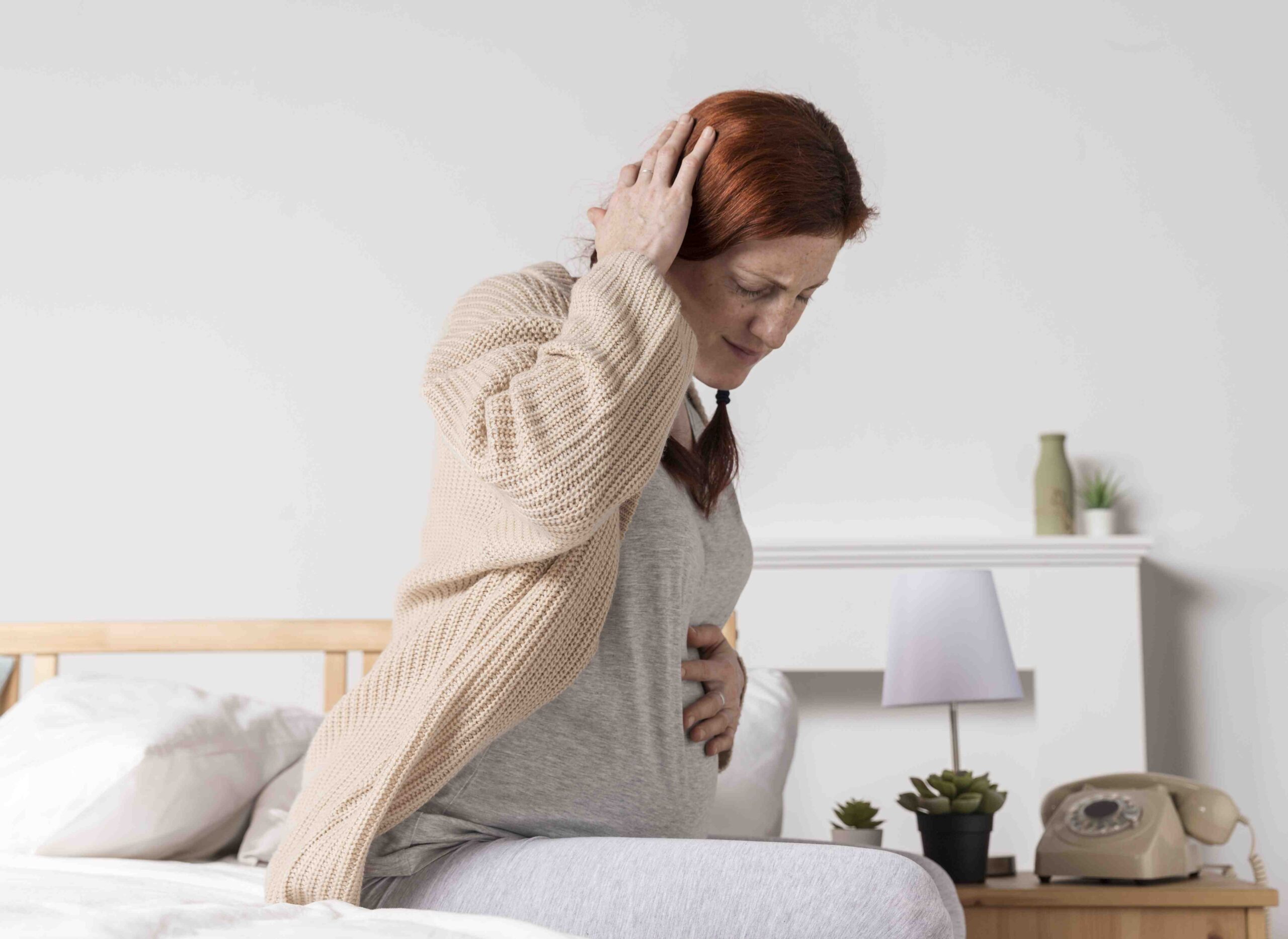
Pregnancy brings many physical changes and emotional challenges. While excitement and anticipation are common, many expectant mothers also experience stress and anxiety. Understanding how emotional well-being affects pregnancy is an important part of protecting both maternal and baby health — a key focus of Pregnancy Awareness Week (3–7 February).
Stress and Anxiety During Pregnancy
Stress is a normal response to change, while anxiety is when worry or fear feels constant or overwhelming. During pregnancy, hormonal changes can intensify emotions, making everyday concerns feel more difficult to manage. Financial pressure, work demands, relationship changes, health worries, and fear of childbirth can all contribute to increased stress.
Practical challenges such as accessing healthcare, transport issues, or limited emotional support may also add to emotional strain. While some stress is normal, ongoing or unmanaged stress can begin to affect both physical and emotional well-being.
How Stress Affects the Body
When the body experiences stress, it releases hormones such as cortisol and adrenaline. These hormones are helpful in short-term situations, but when stress continues over a long period, they can disrupt sleep, raise blood pressure, weaken the immune system, and affect digestion.
During pregnancy, prolonged stress has been linked to reduced blood flow to the placenta and an increased risk of complications such as pregnancy-related high blood pressure, preterm birth, and low birth weight. Stress can also worsen common pregnancy symptoms, including fatigue, headaches, muscle tension, and nausea.
Anxiety and Maternal Well-Being
Anxiety during pregnancy may present as constant worry, restlessness, irritability, difficulty sleeping, or feeling overwhelmed. Some women may also experience panic attacks or persistent fears about childbirth or their baby’s health.
If left unmanaged, anxiety can interfere with daily functioning, prenatal care, and emotional health. It may also increase the risk of postnatal depression and make early bonding with the baby more challenging.
Effects on the Baby
A mother’s emotional well-being plays an important role in her baby’s development. Ongoing stress and anxiety during pregnancy have been linked to changes in foetal heart rate patterns and stress responses. While emotional stress alone does not determine pregnancy outcomes, caring for mental and emotional health helps create a supportive environment for healthy growth.
When Stress or Anxiety Requires Attention
Some emotional ups and downs are expected during pregnancy, but additional support may be needed if symptoms persist or worsen. Warning signs include constant worry, ongoing tiredness, sleep difficulties, appetite changes, frequent headaches or stomach discomfort, withdrawing from others, or struggling to cope with everyday responsibilities.
If emotional distress begins to affect work, relationships, or attendance at prenatal appointments, it is important to speak to a healthcare professional.
Practical Ways to Manage Stress
Managing stress does not mean eliminating it. Instead, it involves building healthy daily habits that support emotional balance. Getting enough rest and maintaining a regular sleep routine can improve mood and energy levels. Gentle physical activity, such as walking or prenatal exercise, can help reduce tension and support circulation.
Breathing exercises may also calm the nervous system. Slow, deep breathing — inhaling through the nose, pausing briefly, and exhaling slowly through the mouth — can help the body relax. Mindfulness techniques, stretching, short breaks for rest, limiting stressful media, and setting realistic expectations can further reduce emotional strain. Asking for help from trusted family or friends is also an important form of self-care.
Seeking Professional and Community Support
If stress or anxiety feels overwhelming or does not improve, professional support is available. Doctors, maternity clinics, counsellors, and mental health professionals can assess symptoms and recommend appropriate care. Local clinics and health centres can also provide information on antenatal classes, community support groups, and confidential helplines that offer reassurance and guidance during pregnancy.
Conclusion
Emotional well-being is an essential part of a healthy pregnancy. By understanding how stress and anxiety affect the body, expectant mothers can take early steps to protect their own health and support their baby’s development. Medical Society helps pregnant women access medical advice, early screening, and ongoing care. Most importantly, it reminds women that they are not alone and that support is always available.