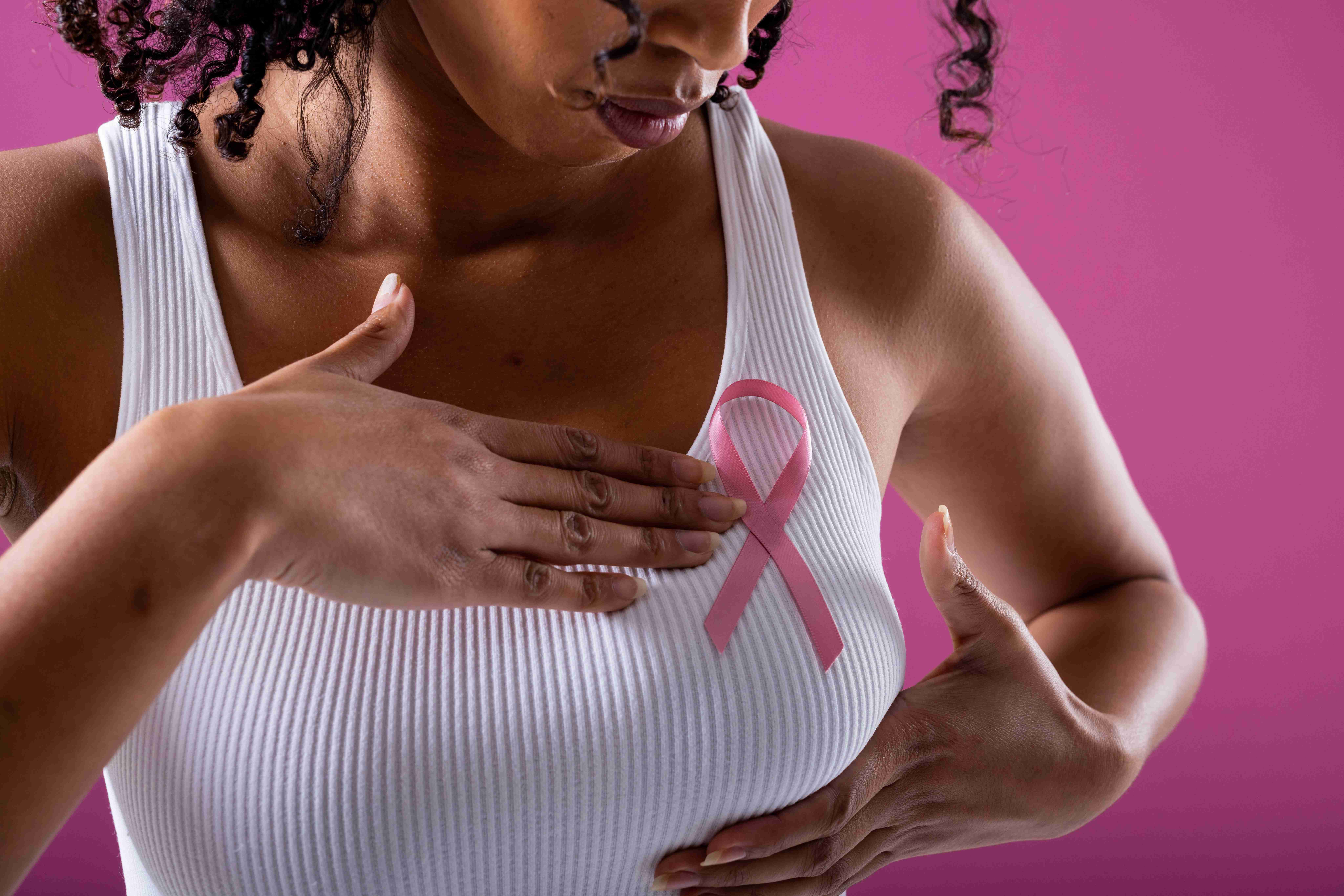
Breast Health Basics: How To Do A Proper Self-Exam
Knowing your body is one of the best ways to protect your health—and that includes your breasts. A regular breast self-exam is a simple yet powerful tool that can help you notice changes early. And early detection matters: it can lead to faster diagnosis and better treatment options.
World Breastfeeding Week (1–7 August) is a great time to focus not only on the benefits of breastfeeding, but also on the importance of caring for your breasts through every life stage. Whether you’re pregnant, breastfeeding, in your 20s, or entering menopause, regular breast checks are an important habit to build.
Why Breast Self-Exams Matter
Most breast changes are first noticed by the person experiencing them, not during a doctor’s appointment. A self-exam won’t replace mammograms or clinical screenings, but it helps you become familiar with what’s normal for you. That way, if anything unusual shows up, you’re more likely to spot it early and seek help.
When Should You Do It?
Do your self-exam once a month. The best time is a few days after your period, when your breasts are less likely to be swollen or tender. If you no longer have periods, choose a day that’s easy to remember each month.
If you’re pregnant or breastfeeding, your breasts may feel different—which is totally normal. Just continue your checks gently and consistently to stay in tune with your body.
What To Look For
During a self-exam, you’re checking for anything that seems unusual, such as:
- A lump, thickened area, or hardness in the breast or underarm.
- Changes in breast size, shape, or symmetry.
- Dimpling, puckering, or skin that looks like an orange peel.
- Nipple changes, such as inversion, discharge, or crusting.
- Pain in one spot that doesn’t go away.
- Persistent redness or warmth.
Remember, not all lumps are cancer. Hormones, cysts, or infections can also cause changes, but it’s always safest to get anything new checked by a doctor.
How To Do a Breast Self-Exam
You don’t need special tools or equipment, just your hands, a mirror, and a few minutes.
Step 1: Look in the mirror
Stand with your shoulders back and arms relaxed. Check for changes in shape, size, or skin texture. Look for nipple changes or swelling. Then, raise your arms above your head and check again from this angle.
Step 2: Feel while standing or sitting
This is easiest in the shower. Use the pads of your fingers (not the tips) to feel your breast in small, circular motions, covering the entire area including the armpit. Use light, medium, and firm pressure.
Step 3: Feel while lying down
Lie down and place a pillow under your right shoulder, with your right hand behind your head. Use your left hand to examine your right breast using the same circular motions. Repeat on the other side.
What If You Find Something?
Don’t panic, most breast changes are not cancer. But any lump, change, or unusual symptom should be checked by a doctor. You may be referred for further testing, like an ultrasound or mammogram, to rule out any concerns.
Breast Self-Exam Tips
- Do your check at the same time each month.
- Note any changes, no matter how small.
- Be gentle if you’re pregnant or breastfeeding.
- Don’t wait for pain—many early cancers are painless.
- Let your doctor know if you have a family history of breast cancer.
Breast Health at Every Age
Your breast health needs evolve over time. In your 20s and 30s, awareness and regular self-checks are key. From age 40, your doctor may recommend annual mammograms or more frequent checks based on your personal risk. During breastfeeding, continue self-exams and watch for blocked ducts or any lumps that don’t go away after feeding.
Conclusion
A breast self-exam takes just a few minutes each month, but it could make a life-saving difference. By staying familiar with your body, you’re taking a powerful step in protecting your health. Medical Society offers affordable access to general practitioners, clinical breast exams, and wellness support—making it easier for you to take charge of your health with confidence.