5 Ways To Lose Belly Fat
Belly fat isn't just about how we look (and feel) in our favourite pair of jeans. Larger waistlines are associated with an increased risk of health issues. Read on for more about belly fat, why it can be dangerous, and how to eliminate it.
What Is Belly Fat?
Belly fat, also known as visceral fat, is the fat that wraps around your abdominal organs. This isn't the kind of fat you can pinch on the outside; it's the stuff deep inside, hugging vital organs like your liver, pancreas, and intestines. And because it's so close to these organs, it can mess with how they work, leading to serious health issues.
Why Is Belly Fat Dangerous?
Visceral fat isn't just sitting there doing nothing. It's quite active, producing hormones and inflammatory chemicals that can disrupt your body's normal functions. Having too much of it can put you at risk for several health problems, including:
Heart Disease
This type of fat is linked to higher LDL (low-density lipoprotein - bad cholesterol) and lower HDL (good cholesterol), which are significant contributors to heart disease.
Type 2 Diabetes
The hormones from visceral fat can make your body less sensitive to insulin. This may lead to insulin resistance and, ultimately, type 2 diabetes.
High Blood Pressure
Too much belly fat is linked to high blood pressure, a significant risk factor for heart attacks and strokes.
Certain Cancers
Research suggests that excess visceral fat increases the risk of certain cancers, especially colon and breast cancer.
Dementia
Some studies have found that people with more visceral fat are more likely to experience cognitive decline and dementia.
How To Measure Your Waist?
The National Institute for Health and Care Excellence (NICE) suggests measuring the 'waist to height ratio' to determine the amount of fat accumulated around the abdomen.
Remove any clothes, belts, or accessories covering your abdomen. Stand erect in front of a mirror, feet shoulder-width apart, and stomach relaxed.
Wrap a measuring tape around your waist. Make sure the tape is parallel to the ground and not twisted. Relax and take two regular breaths. After the second exhale, tighten the tape around your waist. The tape should wrap snugly around the waist without depressing the skin.
Males with a waist circumference of more than 94 cm are at a higher risk of health problems; more than 102 cm indicates a significantly higher risk.
Women with a waist circumference of over 80 cm are at a higher risk of health problems; more than 102 cm indicates a significantly higher risk.
Having a waistline below the cut-off does not mean you are entirely risk-free. Your health, medical history, and family history can influence your risk.
Tips To Lose Belly Fat
Here's how you can start tackling belly fat.
1. Try Restricting Carbs Rather Than Fats
Findings by the National Institutes of Health show those on a low-carb diet lose an average of 4.5 kg more than those on a low-fat diet, who lose 2.9 kg. Weight loss lowers fat and causes lean tissue (muscle) loss. Generally, a low-carb diet steers you away from problem foods - those heavy in carbohydrates and sugar with little fibre - and towards high-fibre or high-protein options, such as vegetables, legumes, and lean meats.
2. Stay Active
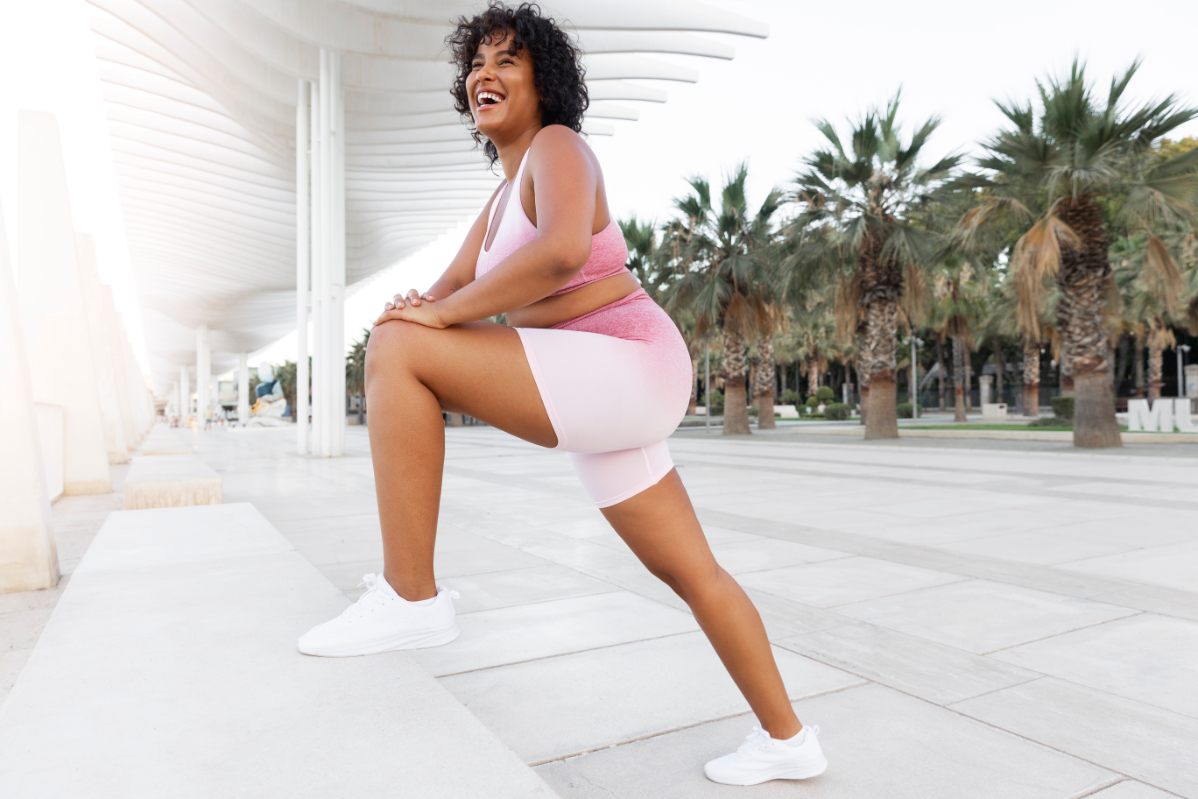
Physical activity increases the reduction of belly fat. Exercise reduces belly fat in particular because it decreases circulating insulin levels, which would otherwise instruct the body to store fat, and stimulates the liver to burn fatty acids, especially those present near visceral fat deposits.
The amount of exercise necessary for weight loss varies according to your goals. Most individuals need 30 to 60 minutes of moderate to intense exercise daily. Even moderate strength training mixed with aerobic activity promotes lean muscle growth, helping you to burn more calories throughout the day, both at rest and when exercising.
3. Read Food Labels
Compare and contrast brands. Some yoghurts, for example, claim to be low in fat, yet they include more carbohydrates and added sugars than others. Gravy, mayonnaise, sauces, and salad dressings are generally heavy in fat and calories.
4. Avoid Processed Meals
Packaged products and snack meals often contain high levels of trans fats, added sugar, and added salt or sodium, all of which make weight loss harder.
5. Forget The Scale
Pay attention to how your clothing fits, not the number on your bathroom scale. Your clothing will appear looser as you develop muscle mass and lose fat, but the scale may still reflect the same number.
Medical Society offers healthcare plans that cover a range of convenient Telehealth Consultations with a Nurse, Doctor, or Mental Health Professional and various medical services at our strategically located medical centres nationwide. Contact Medical Society for helpful advice on how our service can assist you and your family and more beneficial information on improving your health and well-being.