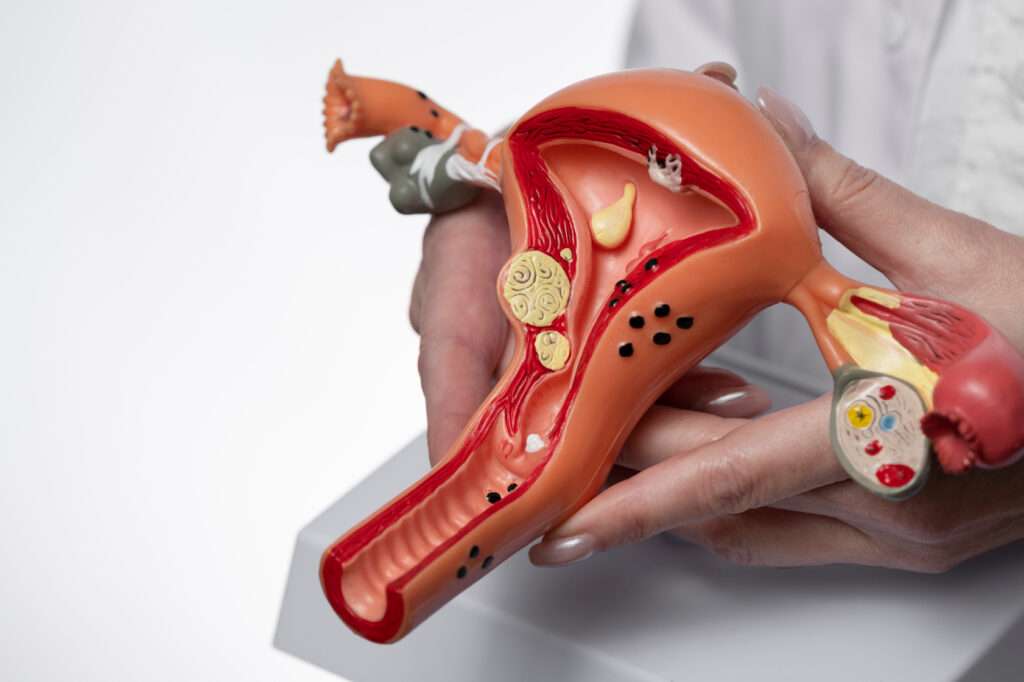
Understanding Hysterectomy: What Every Young Woman Should Know
A hysterectomy is often considered a medical operation needed for older women or women with certain types of health issues. However, women of all ages should know what a hysterectomy entails, why it might be required, and how it can affect overall well-being.
What Is a Hysterectomy?
A hysterectomy is a common surgical procedure performed to remove the uterus, fallopian tubes, and ovaries in women who experience various conditions affecting reproductive health. It's a preventative measure to reduce the risks of specific health concerns, mainly in menopausal women.
After having a hysterectomy, your menstrual cycle will stop, and you will not be able to conceive anymore. The older women become, the higher the likelihood of a hysterectomy becomes. The Centers for Disease Control and Prevention estimate 2.8% of women between 18 and 44 have had the procedure. This number jumps to 22.1% for those aged 45–64, and continues to climb with each passing year.
Why Might a Hysterectomy Be Necessary?
A hysterectomy is usually only considered after other treatments have been tried without success or when the condition is severe.
Common indicators for a hysterectomy include:
Fibroids
These non-cancerous uterine growths may cause excessive bleeding, pain, and pressure. 70-80% of women will develop fibroids by the age of 50, with a considerable percentage of them suffering symptoms severe enough to warrant surgery.
Endometriosis
Endometriosis happens when tissue found inside the uterus starts growing outside of it, leading to pain, bleeding, and other complications.
This condition affects around 10% of women of reproductive age worldwide. When other treatments aren't effective in managing the symptoms, a hysterectomy might be considered.
Uterine or Cervical Disease
In cases of severe or treatment-resistant diseases, such as cancer, a hysterectomy may be necessary to remove the affected tissue. According to The Cancer Association of South Africa, uterine cancer is the fourth most frequent cancer in SA, affecting one out of every 128 women.
Chronic Pelvic Pain
Chronic pelvic pain affects about 15% of women worldwide. If the pain is linked to the uterus and other treatments haven't helped, a hysterectomy might be considered as a last resort for relief.
Heavy Menstrual Bleeding
About 20 - 25% of women suffer from menorrhagia, a condition characterised by abnormally heavy and prolonged menstrual bleeding, which can sometimes necessitate a hysterectomy when other treatments fail.
What Are the Implications of a Hysterectomy?
One of the greatest impacts of a hysterectomy is the permanent loss of fertility. However, there are also other implications to consider.
Hormonal Changes
If your ovaries are removed during surgery (a procedure called oophorectomy), your body's production of hormones like estrogen and progesterone will drop. This can lead to menopause-like symptoms such as hot flashes, night sweats, and mood swings, regardless of your age. While hormone replacement therapy (HRT) might help manage these symptoms, HRT is not suitable for everyone.
Physical Recovery
Recovering from a hysterectomy takes time. You'll likely spend a few days in the hospital post-surgery, followed by several weeks of rest at home. Full recuperation time may range from six to eight weeks, or even more, depending on the kind of operation and your general health.
According to studies, women who have minimally invasive hysterectomies, such as laparoscopic surgery, recover quicker and have fewer difficulties than those who have standard surgery.
Emotional Impact
The psychological aspect of having a hysterectomy is significant and is often underestimated. Research indicates that up to 30% of women may experience depression or anxiety following a hysterectomy, highlighting the importance of emotional support.
Alternatives to Hysterectomy
Before you decide on a hysterectomy, it's worth looking into less invasive alternatives. These could include hormonal treatments to shrink fibroids and control heavy bleeding, techniques like endometrial ablation (removing the uterus lining) or uterine artery embolisation (cutting off blood flow to fibroids), and laparoscopic surgery - which uses smaller incisions to remove fibroids or endometrial tissue growth.
Conclusion
If your healthcare provider has suggested a hysterectomy, take your time to explore your options and choose what feels suitable for you. Seeking a second opinion or consulting a specialist can also help you make the best choice for your health and well-being.
Medical Society offers a healthcare plan that covers a range of convenient Telehealth Consultations with a Nurse, Doctor, or Mental Health Professional and various medical services at our strategically located medical centres nationwide. Contact Medical Society for helpful advice on how our service can assist you and your family and more beneficial information on improving your health and well-being.