The Physical Health Effects Of Bedbug Bites
While bedbugs are often associated with psychological distress, their bites can also have significant physical health implications. Unlike mosquitoes and ticks, which spread diseases like West Nile virus, malaria, and Lyme disease, bedbugs do not transmit infectious diseases. Read on to learn how bedbug bites and infestations still pose numerous health risks.
Understanding Bedbugs and Their Bites
Bedbugs are small, wingless insects, typically measuring between one and seven millimetres in length. They are reddish-brown and have flattened bodies that help them hide in cracks during the daytime.
Bedbugs feed on blood, often at night. They puncture the skin with their elongated beaks and inject saliva containing anticoagulants and anaesthetics. This saliva prevents blood clotting and numbs the bite area, making the feeding process painless and allowing the insect to feed undetected for several minutes.
Immediate Skin Reactions
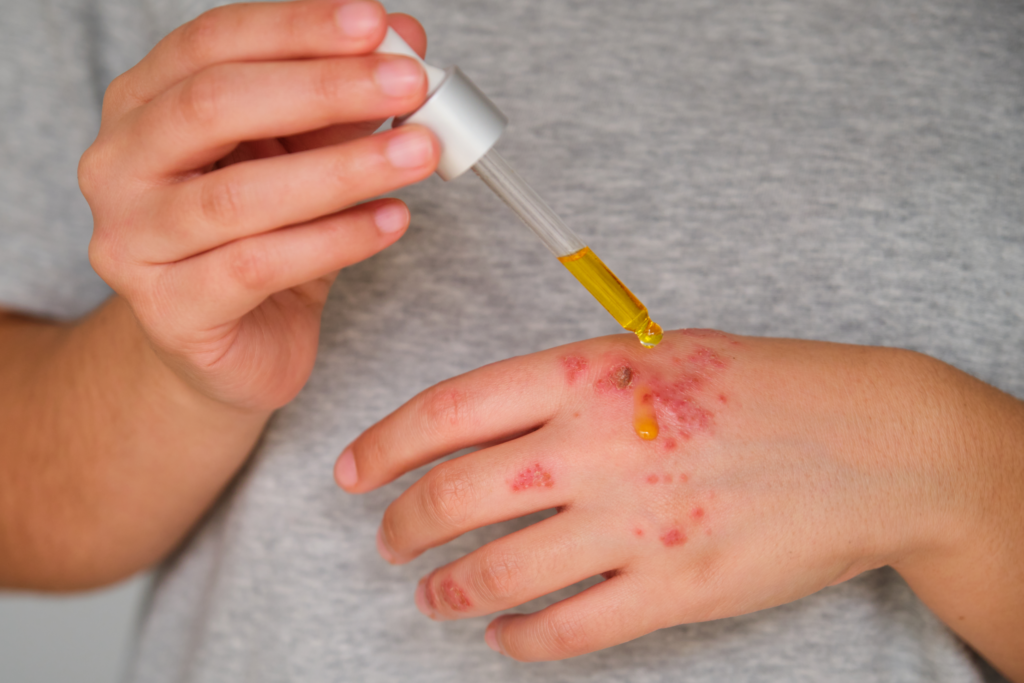
The most common physical health effect of bedbug bites is an immediate skin reaction. These bites usually appear as small, red welts, often in a linear or clustered pattern, and are accompanied by severe itching that can lead to further skin irritation from scratching.
The body's inflammatory response can make the bite area warm and tender to the touch. Sometimes, bedbug bites can lead to blistering, especially in individuals with sensitive skin.
Allergic Reactions
Some individuals may develop allergic reactions to bedbug bites, manifesting with symptoms such as widespread hives, difficulty breathing, swelling of the face, lips, or throat, and, in severe cases, anaphylaxis.
Secondary Infections
The intense itching caused by bedbug bites often leads to scratching, breaking the skin and creating an entry point for bacteria. This increases the risk of secondary infections, such as impetigo, cellulitis, and lymphangitis.
Sleep Disturbances and Psychological Effects
The physical discomfort caused by bedbug bites can lead to significant sleep disturbances. Persistent itching and the anxiety associated with bedbug infestations can make it difficult to fall asleep and stay asleep. Chronic sleep deprivation can have a range of negative physical health effects, including weakened immune function, increased susceptibility to infections, and impaired cognitive function.
In addition to physical health effects, bedbug bites can have profound psychological consequences. The stress and anxiety of dealing with a bedbug infestation can lead to symptoms of post-traumatic stress disorder (PTSD), depression, and social isolation. You may become hypervigilant, constantly checking for signs of bedbugs, and may feel embarrassed or stigmatised by the infestation.
Chronic and Long-Term Effects
While most physical reactions to bedbug bites are acute and resolve within a week or two, some individuals may experience chronic or long-term effects.
Hyperpigmentation
Bedbug bites can sometimes lead to hyperpigmentation, where the bite area becomes darker than the surrounding skin. This condition is more common in individuals with darker skin tones and can persist for several months or longer.
Scarring
Repeated scratching of infected bedbug bites can cause scarring. Scars can be permanent and may cause cosmetic concerns.
Chronic Itching (Pruritus)
You may experience chronic itching even after the bedbug bites have healed. This condition, known as pruritus, can be distressing and may require treatment with medicines to treat allergies, such as antihistamines or corticosteroids.
Secondary Complications
If you have a weakened immune system and live with a chronic condition such as diabetes or HIV, you might be at higher risk for secondary complications from bedbug bites. These complications can include more severe infections and slower wound healing.
Preventing and Managing Bedbug Bites
Preventing bedbug bites involves a combination of vigilance, cleanliness, and professional pest control measures. Here are some tips to prevent and manage bedbug bites:
Regular Inspection
Regularly inspect your home, especially bedding, furniture, and cracks and crevices, for signs of bedbugs. Look for live bugs, shed skins, and small reddish-brown stains on bedding.
Maintain Cleanliness
Keep your home clean and clutter-free to reduce hiding places for bedbugs. Wash bedding and clothing regularly in hot water and dry them on high heat or outside.
Use Protective Covers
To prevent infections, consider using bedbug-proof covers. They can trap bedbugs inside and prevent new ones from entering.
Professional Pest Control
If you suspect a bedbug infestation, contact a professional pest control company. Professional treatments are often more effective than DIY methods and can help eradicate bedbugs more quickly.
Treating Bites
To manage the symptoms of bedbug bites, apply over-the-counter antihistamine creams or corticosteroid ointments to reduce itching and inflammation. Avoid scratching the bites to prevent secondary infections.
Conclusion
While bedbug bites are often considered a nuisance, their physical health effects can be significant. Immediate skin reactions, allergic responses, secondary infections, and sleep disturbances are common consequences of bedbug bites. Individuals may sometimes experience chronic or long-term effects, such as hyperpigmentation, scarring, and chronic itching.
Preventing and managing bedbug bites involves regular home inspection, cleanliness, and professional pest control measures. By understanding the physical health effects of bedbug bites and taking proactive steps to prevent infestations, individuals can protect themselves from the discomfort and complications associated with these parasitic insects.
Medical Society offers a healthcare plan that covers a range of convenient Telehealth Consultations with a Nurse, Doctor, or Mental Health Professional and various medical services at our strategically located medical centres nationwide. Contact Medical Society for helpful advice on how our service can assist you and your family and more beneficial information on improving your health and well-being.